What Does Chlorine Do For The Body

Okay, let's talk about chlorine. No, not the stuff that makes your eyes sting at the pool. We're talking about the mineral hiding in your food and swimming through your veins....

Okay, let's talk about chlorine. No, not the stuff that makes your eyes sting at the pool. We're talking about the mineral hiding in your food and swimming through your veins. It’s a total unsung hero, and I bet you didn’t even know you were full of it.
Wait, I Have Chlorine Inside Me?
You absolutely do. After sodium and potassium, chlorine is one of the most abundant electrolytes in your body. It’s a charged particle called an ion, and it zips around your cells doing weird, essential work.
Think of it as the backstage crew of a rock concert. Nobody sees them, but without them, the show is a disaster. Without chlorine, your body’s main systems just can't run smoothly.
Must Read
It’s Your Body’s Master Plumber
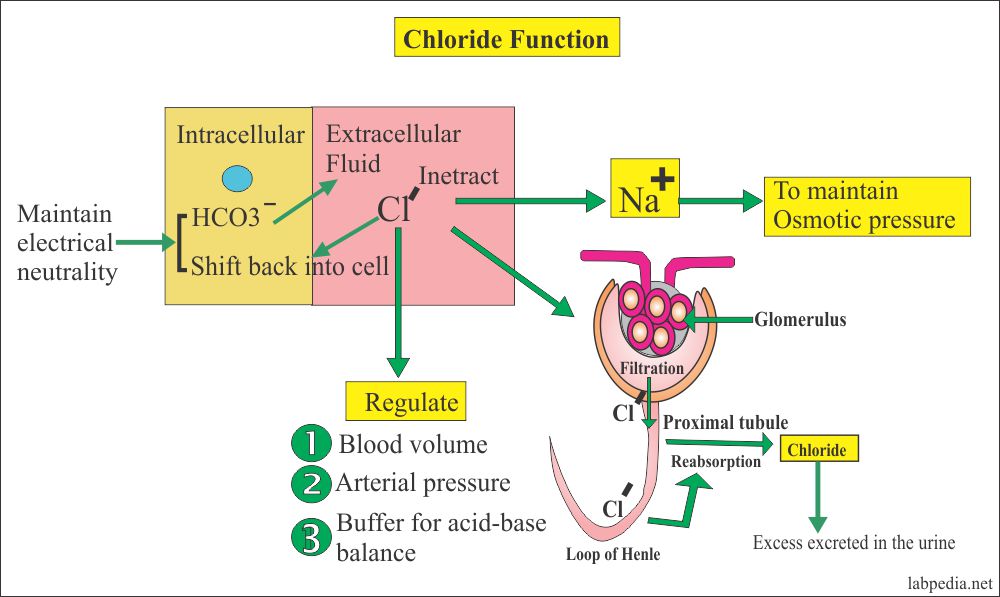
Chlorine is the key to your body’s fluid balance. It helps decide how much water lives inside your cells versus outside them. Imagine a tiny, perfect dam inside your blood vessels.
Chlorine is the gatekeeper at that dam. It works with sodium to keep your blood pressure stable and your tissues from getting too puffy or too dry. Pretty cool for a mineral that also bleaches your laundry, right?
The pH Balancing Act
Your body is obsessed with staying in a very narrow pH zone—not too acidic, not too basic. Guess who helps with that? Yep. Chlorine steps up to the plate as a buffer.
It works behind the scenes to neutralize acids, especially in your stomach. Speaking of your stomach, have you thanked chlorine today? Probably not.
The Stomach Acid Factory
Here’s where chlorine gets real. Your stomach makes hydrochloric acid (HCl). The "Cl" in HCl? That’s our buddy chlorine. If you want to digest that burrito, you need that acid to be strong.
Chlorine binds with hydrogen to create that fiery, acidic soup. Without enough of it, your food just sits there like a rock. It’s the spark plug for your entire digestive engine.
 Normal Chlorine Levels Blood at Michael Robin blog
And that strong acid doesn’t just break down food. It also kills bacteria you accidentally swallowed. So chlorine is literally your first line of defense against food poisoning. It’s like a bouncer at the door of your gut.
How Your Nerves Talk (Thanks to Chlorine)
Ever get a jolt when you touch a hot stove? That’s your nerves firing electrical signals. Chlorine ions are a huge part of that process. They flip a switch inside your nerve cells.
When a nerve needs to calm down after firing, chlorine rushes into the cell. It’s like hitting the pause button on a frenzied conversation. Without it, your nerves would get stuck on "on," which would be exhausting and dangerous.
It helps regulate your muscle contractions too. When you flex, it’s a dance between sodium and potassium. When you relax? That’s often chlorine stepping in to say, "Okay, chill out."
Where Do You Even Get This Stuff?
You probably get plenty without trying. Table salt (sodium chloride) is the biggest source. That’s 40% sodium and 60% chlorine by weight. So a salty snack is basically a chlorine delivery system.
You’ll also find it in seaweed, rye, tomatoes, lettuce, and olives. But for most people, the salt shaker does the heavy lifting. It’s so common that true deficiency is practically unheard of.
 The "Invisible Cloud": The Dangers of Inhaling Chlorine in the Shower
But here’s the curveball: if you sweat a lot—like, marathon-runner a lot—you can lose chlorine. That’s why sports drinks have it in there. They’re not just flavored water; they’re electrolyte rescue missions.
The Balance is Everything
Too little chlorine is rare, but it can cause muscle cramps, confusion, or low blood pressure. Too much? That usually comes from extreme dehydration or kidney trouble, leading to high blood pressure. Your body loves a Goldilocks zone.
The kidneys are the real MVPs here. They decide how much chlorine to keep and how much to pee out. It’s a constant, elegant negotiation happening right now while you read this.
So, Is Chlorine Actually Cool?
Honestly, yes. It’s easy to overlook chlorine because it’s not flashy like protein or trendy like vitamin D. But it’s the silent choreographer of your internal chemistry.
It keeps your blood flowing, your stomach digesting, your nerves firing, and your cells hydrated. Does it get a standing ovation? No. But maybe it deserves a polite nod next time you sprinkle salt on your fries.
You just learned that a mineral found in swimming pools and bleach is actually keeping you alive right now. That’s either horrifying or incredibly fascinating. I vote fascinating. Go you.
