How Much Water Does A Softener Use

So, you’ve got a water softener, or you’re thinking about getting one. And now you’re wondering, “Hey, how much water does this thing actually use?” It’s a totally fair questi...
So, you’ve got a water softener, or you’re thinking about getting one. And now you’re wondering, “Hey, how much water does this thing actually use?” It’s a totally fair question, especially when every drop counts on your utility bill. Let’s dive in without getting too technical—just you, me, and some friendly numbers.
The Basic Lowdown on the Process
First off, a water softener doesn’t just sit there. It works by swapping hard minerals like calcium for sodium, which means it needs to clean itself. That cleaning process is called regeneration, and yep, it uses water.
Here’s the cool part: a modern, efficient softener uses about 35 to 60 gallons per regeneration cycle. That might sound like a lot, but it’s not an everyday thing—most households regenerate once every 7 to 14 days.
Must Read
Compare that to the water you use in a single 8-minute shower (roughly 16 gallons). Suddenly, those numbers feel a little less scary, right?
Why the Range? It’s All About Your Setup
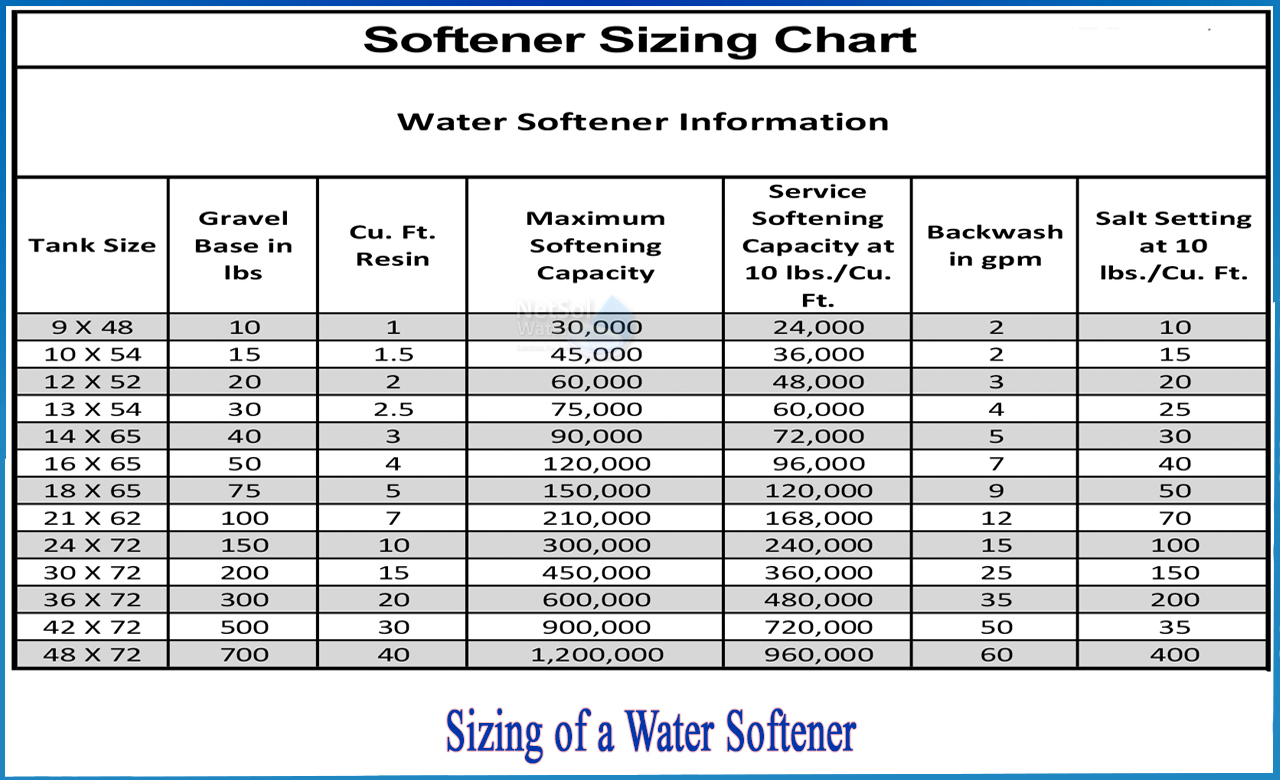
Not every softener is created equal. The amount of water used depends on the size of your unit and how hard your water actually is. A bigger unit or harder water means more frequent or longer regeneration cycles.
Think of it like a sponge. A small sponge soaks up less dirt and needs less water to rinse out. A giant sponge holds more gunk—so it needs a bigger rinse. Your softener is the same way.
The efficiency rating matters a ton, too. Older softeners (the clunky ones from the ’90s) can use over 100 gallons per cycle. Ouch. Newer models with “demand-initiated” technology are way smarter—they only recharge when you’ve actually used enough water.
Fun Comparisons to Wrap Your Head Around
Let’s make this visual. A typical softener cycle uses about 50 gallons. That’s roughly the same as:
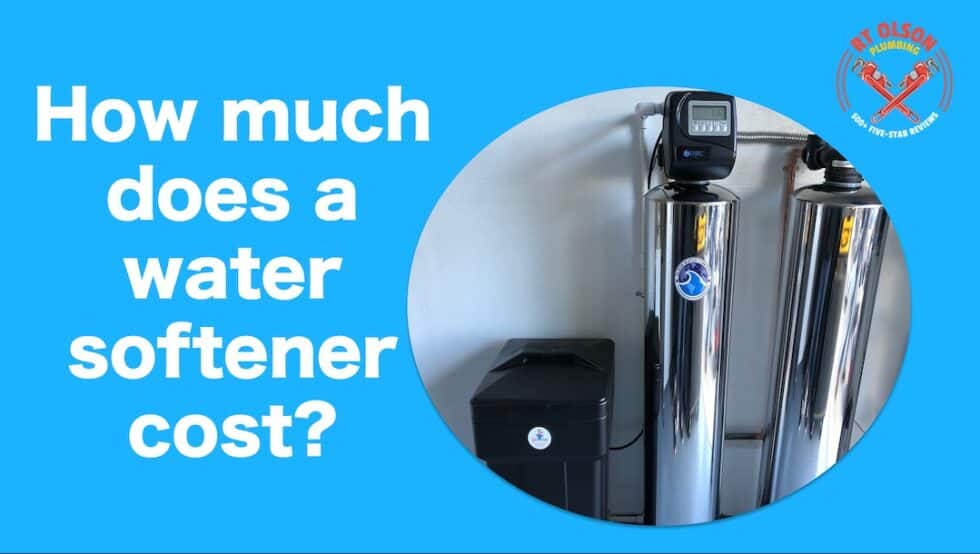 How Does A Water Softener Work? - RT Olson Plumbing, Heating, & Air
- Running a top-loading washing machine three times in a row.
- Leaving your garden hose on for 10 minutes at full blast.
- Filling a standard bathtub about halfway.
Still with me? Because here’s where it gets interesting. The cool trade-off is that you actually save water overall by having a softener. How? By preventing scale buildup in your pipes and appliances.
When your water heater, dishwasher, and faucets aren’t clogged with calcium gunk, they run more efficiently. A scale-free water heater, for example, uses up to 15% less energy and doesn’t need as many flushes. So that regeneration water? It's like a tiny investment for big long-term savings.
What About the “Waste” Water?
I know what you’re thinking: “But where does all that regeneration water go?” It flushes down the drain, carrying away the hard minerals. Some people worry this is wasteful, but here’s a secret: it’s mostly harmless.
The brine (salty water) that gets discharged is usually a tiny fraction of your household’s total wastewater. In fact, the water softener is often less thirsty than your toilet or your lawn sprinklers over a month.
Curious about the math? A family of four might use around 200 gallons of water per day in total. That softener cycle of 50 gallons once a week? That’s only about 3% of your total water usage. Barely a blip!
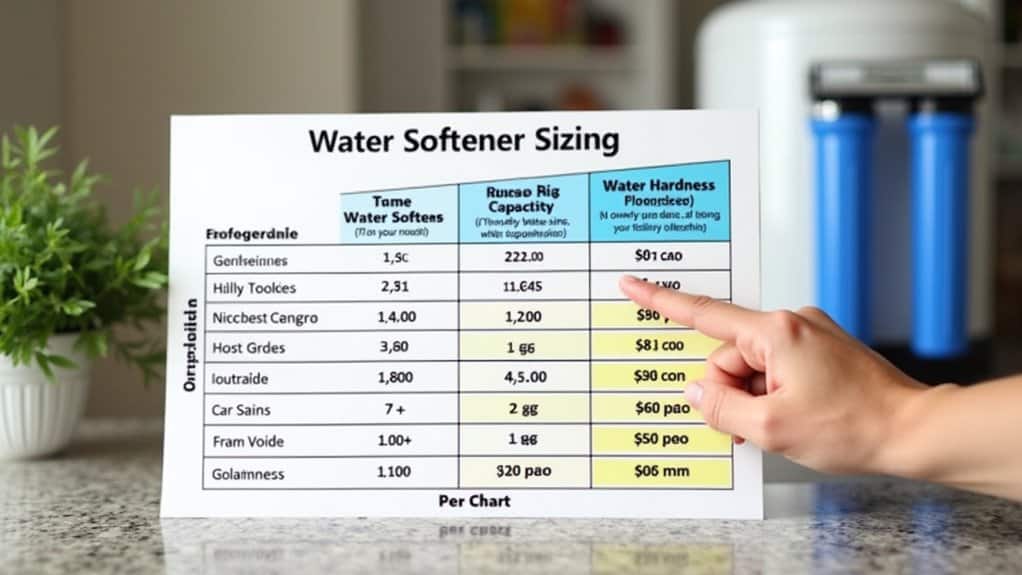 The Ultimate Water Softener Sizing Chart That Will Save You Thousands
Can You Make It Even Thirstier… or Thirst-Less?
Absolutely. The most important tip is to buy a metered or demand-initiated softener. Instead of regenerating on a fixed timer (wasteful!), these units track your actual water consumption and only recharge when needed.
You can also tweak the settings yourself. Lowering the salt dose slightly can reduce water use, though you might need to regenerate a bit more often. It’s a balancing act—like adjusting the heat on your stove to get the perfect simmer.
And one more fun fact: newer softeners use “countercurrent” or “upflow” regeneration. This fancy trick uses up to 75% less salt and 50% less water than old-school models. If you’re eco-conscious, that’s a huge win.
The Chill Bottom Line
So, how much water does a softener use? Enough to get the job done, but not enough to stress about. On average, you’re looking at about 40 to 60 gallons per cycle, happening once a week or so.
That’s less than a single load of laundry every two days. And in return, you get silky-smooth skin, spotless dishes, and appliances that last years longer. Honestly, that trade-off feels like a steal, doesn’t it?
So go ahead—enjoy your soft water without the guilt. It’s just a little splash for a whole lot of comfort.
