How To Find Total Dissolved Solids

So, you’ve heard the term Total Dissolved Solids—or TDS, for those of us who love a good acronym—and you’re wondering what on earth it means. Is it a new punk band? A secret g...
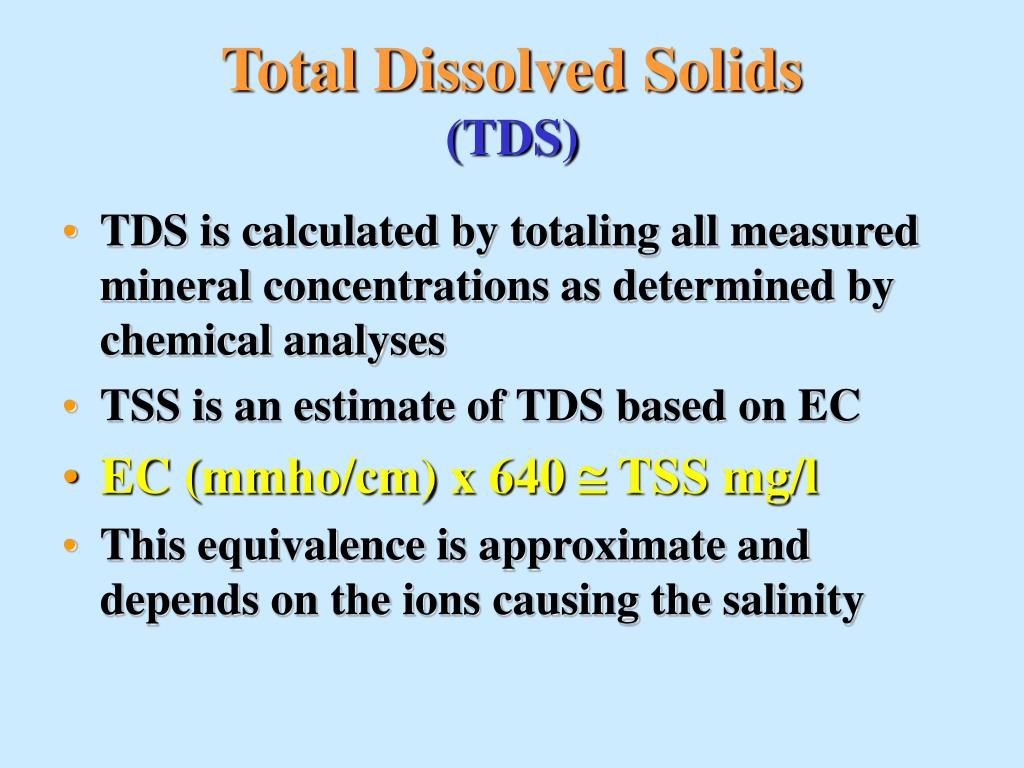
So, you’ve heard the term Total Dissolved Solids—or TDS, for those of us who love a good acronym—and you’re wondering what on earth it means. Is it a new punk band? A secret government code? Nope. It’s simply a measure of everything floating around in your water that isn’t H₂O. Think of it as the invisible clutter in your glass: minerals, salts, metals, and maybe a few tiny bits of dead leaf that snuck past the filter.
Before you panic and vow to only drink fancy bottled stuff from a mountain in Fiji, take a deep breath. Most TDS is actually harmless—things like calcium and magnesium that make your water taste crisp or give you that nice hard water for bread-making. But if you’re curious about what’s really in your tap, well, you’ve come to the right place. Let’s get our detective on!
Method 1: The Gadget Guru’s Way (The TDS Meter)
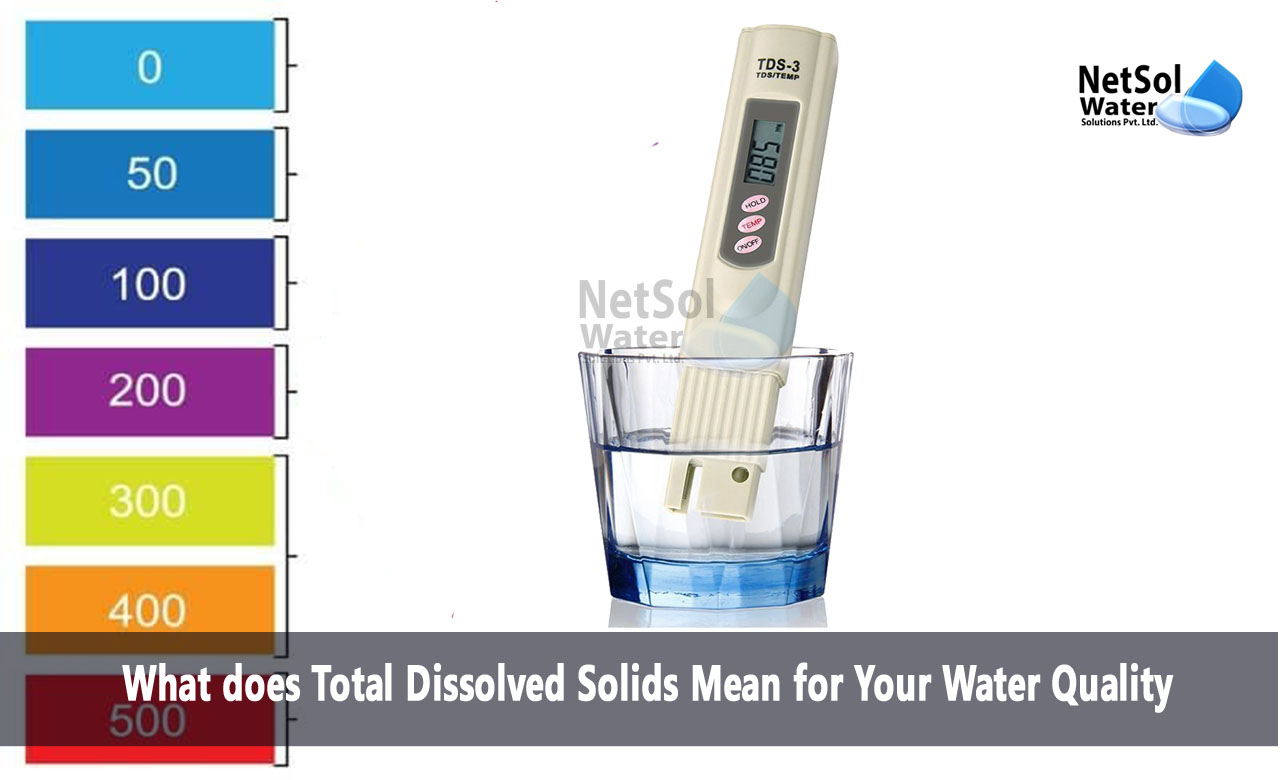
This is the easiest and most satisfying method, like using a lightsaber to cut a sandwich. You buy a little handheld device called a TDS meter (they’re cheap—like ten or fifteen bucks on the internet). It looks like a weird thermometer from a sci-fi movie. You just dip it in a glass of water, press a button, and—beep!—it gives you a number in parts per million (ppm).
Must Read
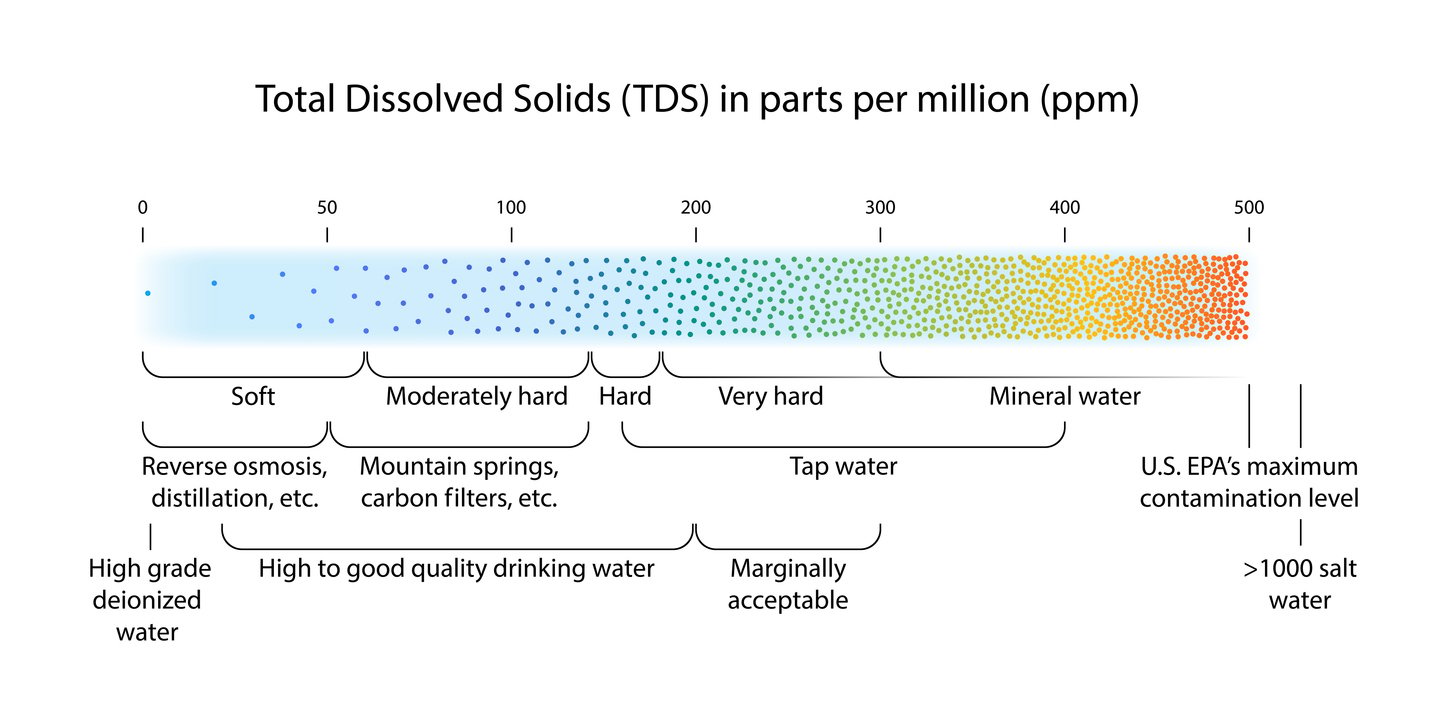
The number is your TDS level. If it reads 50 ppm, you have almost no solids—basically melted rain. If it reads 500 ppm, you’ve got a lot of mineral action going on, like a tiny rock concert in your glass. A reading over 1,000 ppm? That water is thicc, my friend, and you might want to check for a weird taste or white residue on your kettle.
Pro tip: Don’t test your fish tank with the same meter you used for your coffee. Unless you want your goldfish to judge you. Rinse it well between uses, or you’ll be measuring guppy leftovers instead of dissolved solids.
Method 2: The Kitchen Chemist (Evaporation Method)
If you want to feel like a mad scientist without buying a gadget, try the evaporation method. You’ll need a clean glass dish (like a Pyrex pie plate), a ruler, and a whole lot of patience. First, measure exactly 100 milliliters of your water—use a measuring cup, a syringe from an old medicine bottle, or just eyeball it if you’re feeling rebellious.
Pour the water into the dish and let it evaporate completely. This takes forever—like 24 hours if you’re lucky, or three days if your house is humid and your cat keeps drinking it. Once it’s bone dry, you’ll see a thin, dusty residue on the dish. That’s your TDS! Now, carefully weigh that residue (you’ll need a precise kitchen scale) and compare it to the original water volume. Multiply the residue weight by 10 to get ppm. Or, you know, just call it “white dust” and move on.
 What Is Tds In Water Mean at Benjamin Downie blog
This method is great for impressing your friends at parties. “Behold,” you can say, “the ghost of my tap water.” They’ll either think you’re brilliant or deeply weird. Both are correct.
Method 3: The Lazy Smartphone Hack (Conductivity App)
Here’s a little secret: TDS is closely related to electrical conductivity. Clean water doesn’t conduct electricity well, but water with dissolved solids does—like adding salt to a science fair battery. You can buy a cheap conductivity pen that also gives you TDS readings. Or, if you’re really lazy, there are smartphone apps that claim to measure TDS using your phone’s camera flash and microphone.
Spoiler: Those apps are about as accurate as a blindfolded dart thrower. They’re fun for a laugh, but don’t rely on them for your fish tank or your expensive espresso machine. Still, if you want to pretend you’re a water wizard, download one and wave your phone over a puddle. “Your TDS is 762 ppm!” you can announce dramatically. Nobody will fact-check you.
Method 4: The “Just Guess” Method (For the Truly Brave)
If you don’t own a meter, a scale, or a smartphone, you can estimate TDS based on taste and appearance. Does your water taste a little salty or metallic? Probably higher TDS. Does it leave white spots on your dark dishes after washing? Definitely higher TDS. Does it taste like pure, sweet nothing? That’s probably reverse osmosis water, which is basically water’s ghost—low TDS.
 Understanding Total Dissolved Solids (TDS) in Drinking Water
You can also look up your local water utility’s annual report online. They legally have to tell you the average TDS in your area. It’s like a report card for your tap. If it’s above 500 ppm, you might want to consider a filter. If it’s below 100 ppm, you’re basically drinking polished clouds. Congratulations!
So, You’ve Found Your TDS. Now What?
Honestly? Probably nothing dramatic. Unless your TDS is insanely high (like over 2,000 ppm) or you notice a weird color or smell, your water is likely fine. High TDS usually just means you have hard water, which is annoying for showerheads and kettle limescale, but not dangerous. Low TDS water, on the other hand, can taste flat and might leave you craving minerals—like the water version of a bland salad.
The real takeaway is that you now have knowledge—and the ability to be the most interesting person at a boring dinner party. “Oh, the soup is a bit thin? Let me check my TDS meter.” You’re welcome.
Remember, water is amazing. It carries life, flavor, and the occasional stray mineral. Whether your TDS is 10 or 1,000, you’re still drinking a miracle that has traveled through clouds, rivers, and pipes to reach your glass. So go ahead, test your water, have a laugh, and cheers to being just a little bit more curious about the world. You’re already making it a more interesting place, one dissolved solid at a time.
