How To Test If You Have Hard Water

You step out of the shower, skin feeling tight and squeaky, hair looking a bit like a startled scarecrow. The glass doors are clouded with a stubborn, white film that no amoun...

You step out of the shower, skin feeling tight and squeaky, hair looking a bit like a startled scarecrow. The glass doors are clouded with a stubborn, white film that no amount of scrubbing seems to conquer. Congratulations—you might be living with hard water, the silent, scaly saboteur of your plumbing and your morning routine.
Hard water isn’t a villain from a sci-fi movie; it’s simply groundwater rich in dissolved minerals like calcium and magnesium. Think of it as nature’s way of adding a little extra terroir to your tap. Over 85% of U.S. households have it, so you’re in good company—the same company that’s fighting limescale on their kettle.
The "Squeaky Clean" Test (That Isn’t Actually Clean)
After your next shower, pay attention to how your skin feels. If it feels strangely slick or squeaky—like you’re rubbing a clean plate—that’s the soap reacting with the minerals to form a sticky film. Soft water leaves your skin feeling silky and hydrated; hard water leaves it squeaky and often drier.
Must Read
Hair is another dead giveaway. If your shampoo doesn’t lather into a rich cloud, or if your strands feel straw-like even after conditioning, chalk it up to mineral buildup. Think of it as the difference between washing a silk scarf and a canvas tote bag.
The "Spotty Glass" Aesthetic
Pour a glass of tap water and let it sit for an hour. Look at the surface—if there’s a faint, greasy-looking film or little white specks floating, you’ve got evidence. Now dry the glass with a clean cloth. If it dries with cloudy spots or a chalky residue, that’s hard water doing its disco.
That white film isn’t just unsightly—it’s the mineral twins, calcium carbonate and magnesium, basically hardening into solid little statues. It’s the same stuff that makes ancient cave formations, but it looks far less romantic on your wine glasses.
The "Dishwasher Diner" Experience
Run a load of dishes and pull out a clear glass. If it comes out looking like it’s been lightly frosted, or if you see a rainbow-colored sheen, that’s the telltale sign. Hard water leaves etching over time, and those cloudy spots are stubborn mineral deposits that laugh at your rinse aid.
Your silverware might also feel a bit gritty after drying. That’s not leftover food—it’s mineral dust. Fun fact: the hard water scale in your dishwasher can reduce its efficiency by up to 15% per year. Your machine is basically running a marathon in sand.
 3 Ways to Determine if You Have Hard Water - wikiHow
The "Soap That Doesn’t Suds" Challenge
Fill a clear jar halfway with tap water, then add a few drops of pure liquid soap (no detergents or additives). Shake it vigorously for ten seconds. If the water turns milky with voluminous suds, you’ve got soft water. If the suds are thin, flat, and the water looks cloudy instead of foamy—bingo, hard water.
A fun little cultural tangent: in ancient Rome, people used hard water from the Tiber River to wash clothes, and they had to rely on urine as a degreaser. Consider your modern soap a luxury upgrade, even if it doesn’t lather like a shampoo commercial.
The "Tea Film" Aesthetic
Brew a cup of black tea and let it sit for a few minutes. Look at the surface for a thin, iridescent film—like an oil slick in miniature. That’s the tannins in the tea reacting with the calcium in your water. It’s perfectly safe, but it does make your morning cuppa look a bit like a science experiment.
Hard water also dulls the flavor of tea and coffee. The minerals bind to the compounds that give your drink its taste, leaving you with a flatter, more bitter brew. The Brits, masters of tea, have long fought this battle with water softeners and kettles full of limescale.
The "White Crust" Checklist
Look at your faucets and showerheads. If you see a white, crusty buildup around the spouts, that’s limescale in its natural habitat. Check your kettle or coffee maker—if the bottom looks like a miniature limestone quarry, you have a hard water champion on your hands.
Even your washing machine isn’t safe. Hard water can cause detergent to leave a gray film on dark clothes, making them look faded and tired. Over time, it can clog the machine’s valves and reduce its lifespan by a few years. It’s the quiet ninja of home maintenance.
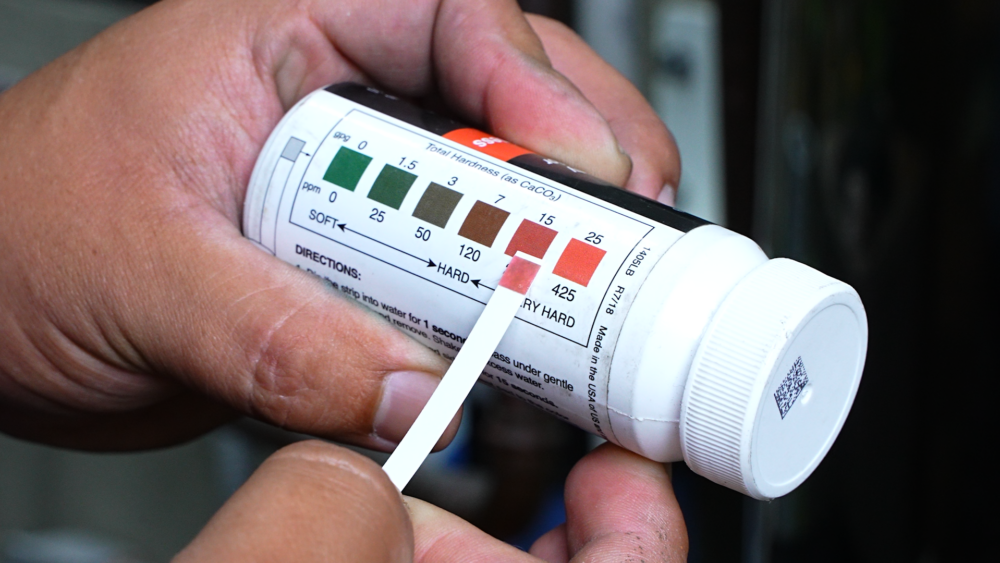 How to Test for Hard Water: The 5 Simple Steps
What To Do About It (Without Panicking)
Don’t panic. Hard water is annoying but manageable. You can install a whole-house water softener (expensive, but VIP treatment) or a simple shower head filter (affordable, spa-level vibes). For a quick fix, boil water for a few minutes—this temporarily reduces some minerals, like a flash detox.
Cleaning hacked: use white vinegar or citric acid to dissolve limescale on faucets and glass. Soak a paper towel in vinegar, wrap it around the crusty spot, and let it sit for an hour. The fizzing sound is the sound of your sink being saved. It’s like a spa treatment for your pipes.
If you want a permanent lifestyle shift, consider using distilled water for your iron and plants that hate calcium (looking at you, orchids). Your electric kettle will thank you with years of faithful service, and your morning tea will taste like it was steeped by a Michelin-star barista.
Reflection: The Water We Live With
Hard water isn’t a crisis—it’s just a quirk of geology, a reminder that even our most mundane routines are shaped by the ground beneath our feet. That extra mineral layer on your shower door? It’s the same stuff that builds the shells of marine creatures. In a way, you’re living with a tiny ocean in your pipes.
So next time you see that white ring in your kettle, don’t sigh—smile. You’ve just discovered a small, daily proof that nature is still doing its thing, right in your kitchen. Now go make some vinegar spray and reclaim your sparkle. Your faucets, and your hair, will thank you.
