How To Get Rid Of Coliform In Well

Let’s be real for a second: nobody wakes up and thinks, “Gee, I hope there’s some coliform bacteria in my morning coffee.” That’s the sort of surprise that lands right up ther...
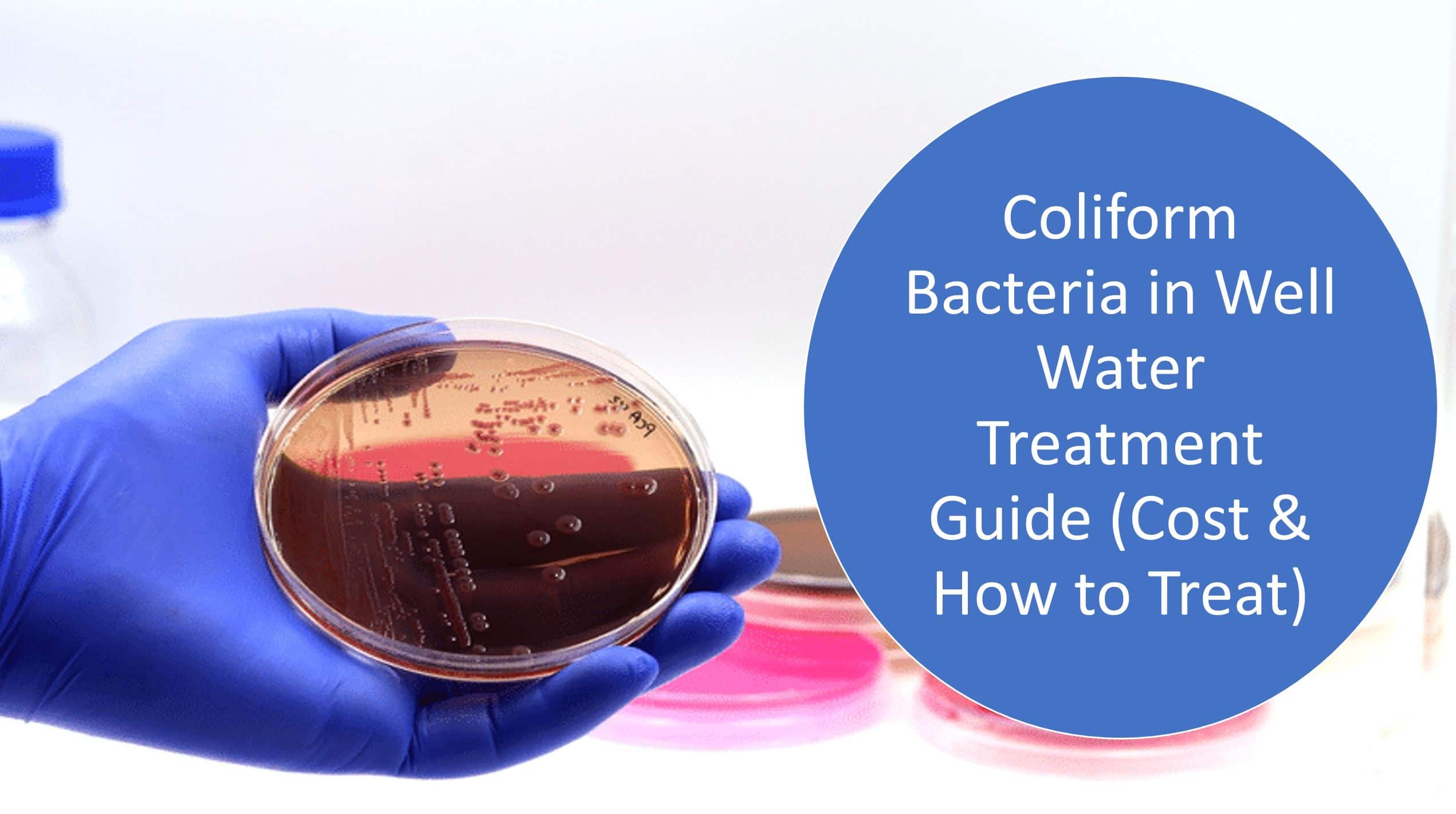
Let’s be real for a second: nobody wakes up and thinks, “Gee, I hope there’s some coliform bacteria in my morning coffee.” That’s the sort of surprise that lands right up there with finding a raccoon in your attic or realizing you’ve been using the “A” setting on your toaster for “Astonishingly Burnt.” If you own a well, you know the drill. One day, the water tastes fine, and the next, your test kit gives you that dreaded positive result, like a pop quiz you didn’t study for.
But here’s the good news: this isn’t a horror movie. It’s more like a sitcom episode where the friendly plumber saves the day. Coliform bacteria are basically the harmless party crashers of the water world—they don’t usually make you sick, but they flag that something gross (like surface runoff or a leaky seal) is getting in where it shouldn’t. Think of them as the doorbell ringers that show up before the actual troublemakers. So, how do you kick them out without losing your mind? Let’s walk through it, step by step, with a wink and a nod.
Step One: Don’t Panic, Just Shock It
First up: shock chlorination. This is like giving your entire well system a very aggressive bath. You mix regular household bleach (unscented, no “ocean mist” nonsense) with water and pour it down the well, then let it circulate through every pipe, faucet, and outdoor spigot. I’m talking about that moment when your water smells like a hotel swimming pool and you half-expect a lifeguard to blow a whistle.
Must Read
Here’s the trick: you’ll need to run every faucet—hot and cold, inside and out—until you smell bleach at each one. Yes, even the one in the basement that hasn’t been used since 2003. My neighbor once forgot his garden hose, and the next week his petunias had a weird chlorine-high. Then you wait. Let that bleach solution sit in the well for at least 12 hours, preferably 24. This isn’t a quickie; it’s a marathon soak for your pipes.
After the soak, flush everything out. Run hoses away from your lawn (bleach kills grass faster than bad lawn puns), and let the water run until the chlorine smell is gone. This step is like rinsing a soapy dish—you can’t just leave suds on the plate and call it clean. Test your water again a week later. If the coliform is gone, congratulations—you’ve passed the first exam.
Step Two: Play Detective With Your Wellhead
If shocking fails, you’ve got a recurring issue. This is the “Groundhog Day” of well problems. The coliform keeps coming back because something is letting surface water sneak in. You’re now a detective, and your magnifying glass is a flashlight. Walk outside and eyeball your well. Does the cap fit tightly? Are there cracks in the concrete casing? Is the ground sloping toward the well instead of away from it? That’s like inviting rain to slide right down into your drinking glass.
I once helped a friend who couldn’t figure out why his water kept failing. Turns out, the well cap was homemade—a plastic garbage bag secured with a bungee cord. He called it “redneck engineering.” I called it “a bacteria buffet.” Fixing the cap and resealing the casing solved everything. Sometimes the answer is stupidly simple, like that missing sock in the laundry—just look under the dresser.
 How to Treat and Eliminate Coliform Bacteria in Well Water
Also, check for surface runoff. If your well is downhill from a compost pile, a septic drain field, or that patch of grass where the dog “waters” the flowers, you’ve got a problem. Moving the pile or adding a berm to divert water can make a huge difference. It’s like moving your picnic blanket away from the ant hill—logical, but you had to think of it first.
Step Three: Get Serious With UV or Continuous Chlorination
If shocking and sealing don’t work, it’s time for permanent solutions. This is when you stop using a squirt gun and bring out the water cannon. A UV light system is the rock star here. Water passes under a purifying light that zaps bacteria dead, no chemicals needed. It’s like a tanning bed for water, except nobody gets a tan—only microbes get vaporized.
Or, you can install a continuous chlorination system. This adds a tiny, safe amount of bleach to your water all the time, kind of like a slow drip of a low-key disinfectant. The downside? You’ll taste a hint of chlorine. It’s not exactly Evian, but it beats colonizing your guts with uninvited guests. I’ve got a buddy who calls his chlorinator “the bartender for my well.” I call it a testament to his patience with maintenance.
Either option requires professional installation unless you’re a DIY wizard with plumbing and electricity. And let’s be honest: most of us can barely hang a picture straight. Spend the money. A plumber’s visit is cheaper than a trip to the ER after a bout of waterborne regret.
 Bacteria In Well Water
Step Four: Test, Test, and Test Again
Here’s the part people forget: regular testing. You don’t just fix the problem and assume it’s gone forever, like that ex you blocked on social media. Coliform can come back if your well cap cracks again, or if a heavy storm floods the area. Test your water at least twice a year—once in spring after the snow melts, and once in fall after heavy rains. I keep a calendar reminder on my phone labeled “Water Mood Check.” It sounds silly, but it’s saved me from drinking bacteria-infused tap water more than once.
Also, test after any major event: a nearby construction project, a flood, or even a drought that dries up the ground and shifts your well casing. Think of it like a health checkup for your house. A $30 test kit can save you thousands in medical bills and the sheer annoyance of boiling every drop of water for tea. Trust me, nobody wants to boil water just to wash their face. That’s a camping activity, not a lifestyle.
The Takeaway: You Got This
Getting rid of coliform is like getting rid of that weird smell in your car—it feels impossible until you find the spilled milk under the seat. With a little shock, some detective work, and maybe a UV light, your well can go from “questionable” to “delicious” again. And look on the bright side: at least it’s not the E. coli that sends you to the hospital. Coliform is more like the annoying friend who shows up uninvited, eats your snacks, and leaves. You just have to change the locks.
So grab a bottle of bleach, a flashlght, and maybe a brave face. Your well water is about to get a serious attitude adjustment. And the next time you pour a glass, you’ll smile—because you’ll know you’re the boss of your pipes. Cheers to that.
