How To Test Your Bodies Ph Balance

So, you’ve heard of pH balance, right? It sounds like something a lab tech in a white coat should worry about, not you. But shocker: your body has its own pH, and keeping it i...
So, you’ve heard of pH balance, right? It sounds like something a lab tech in a white coat should worry about, not you. But shocker: your body has its own pH, and keeping it in a happy place is like giving your cells a VIP spa day.
Testing it at home is easier than assembling IKEA furniture, and way less frustrating. No missing screws or cryptic diagrams, I promise. Let’s dive into the wonderfully weird world of your body’s chemistry.
Wait, What Is pH Balance, Anyway?
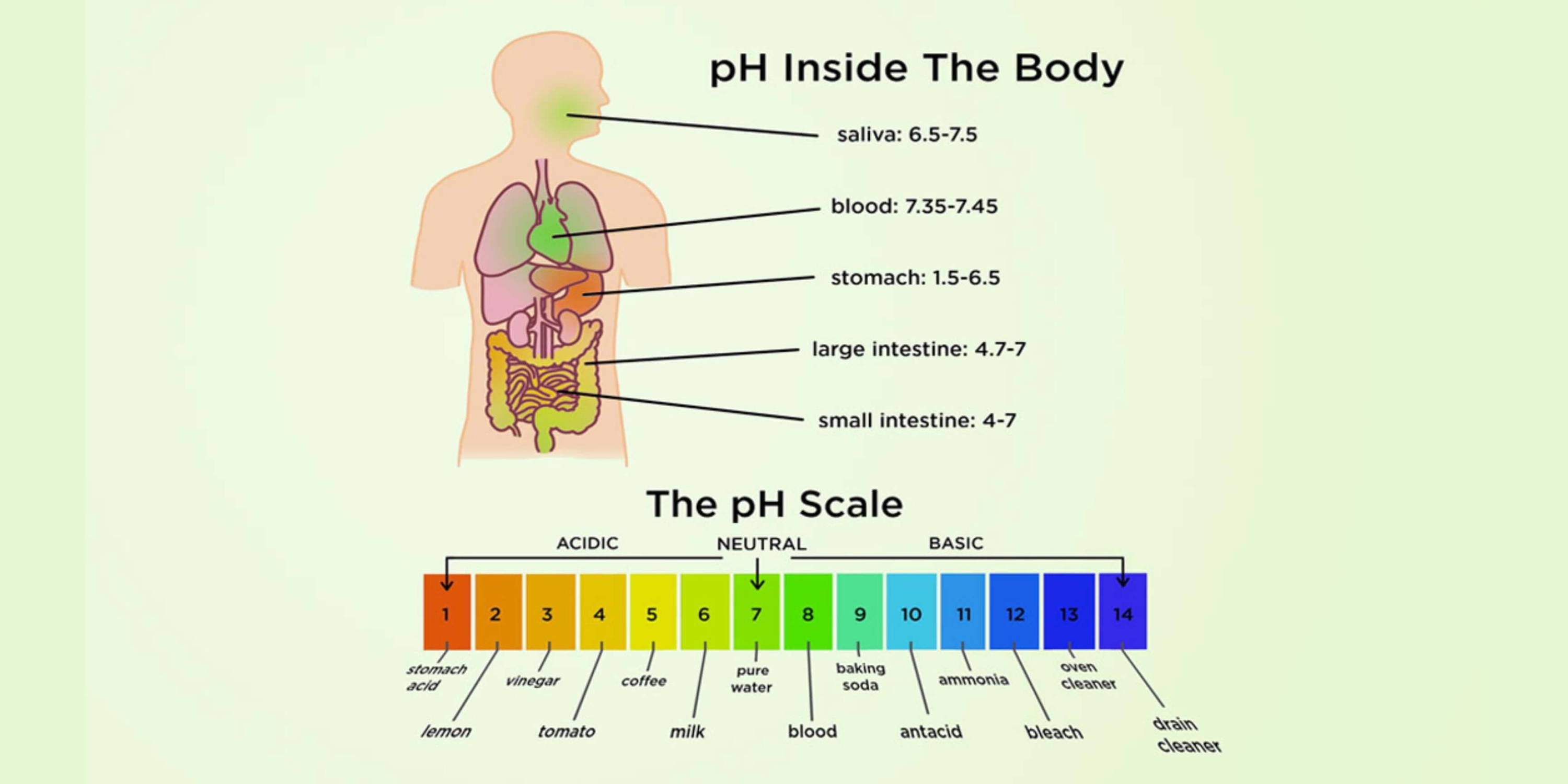
Think of pH as a scale from 0 to 14. Zero is battery-acid aggressive, 14 is bleach-level chill, and 7 is perfectly neutral, like pure water. Your body likes to hang around a slightly alkaline 7.35 to 7.45 for your blood, but guess what? Your urine and saliva can tell a different story.
Must Read
I’m not telling you to start drinking baking soda shakes. I’m just saying that testing these two humble fluids can give you a peek into how your diet and stress levels are treating you. Ready to become a home chemist with zero risk of explosion?
Tools of the Trade: What You Need
You don’t need a fancy lab. You just need pH test strips, which you can snag at a drugstore or online for about the cost of a fancy coffee. Avoid the cheap pool-testing strips; you want ones specifically for saliva or urine, which are finer and more accurate.
Grab a clean cup, your test strips, and a timer. Also, maybe don’t do this right after you chug a lemonade, because that would be like testing the temperature of an oven right after you open the door. It’s just bad science.
Testing Your Saliva: The Morning Drop
First thing in the morning, before you brush, rinse, or even speak, is the sweet spot. Your saliva hasn’t been messed with by breakfast or toothpaste, so it’s a pure sample. Spit a little into a clean cup, or just let a drop fall onto the test strip.
Dip the strip in, wait the time it says on the package (usually 15 seconds), and compare the color to the chart. A healthy reading is between 6.5 and 7.5. If it’s much lower, your body might be saying, “Hey, I need more greens and less coffee!” No judgment; we’ve all been there.
Testing Your Urine: The Second Morning
This one’s a bit more involved, but stick with me. Your first morning pee is usually more acidic because your body was detoxing all night. So, test your second pee of the day, about two hours after you wake up, before you eat lunch.
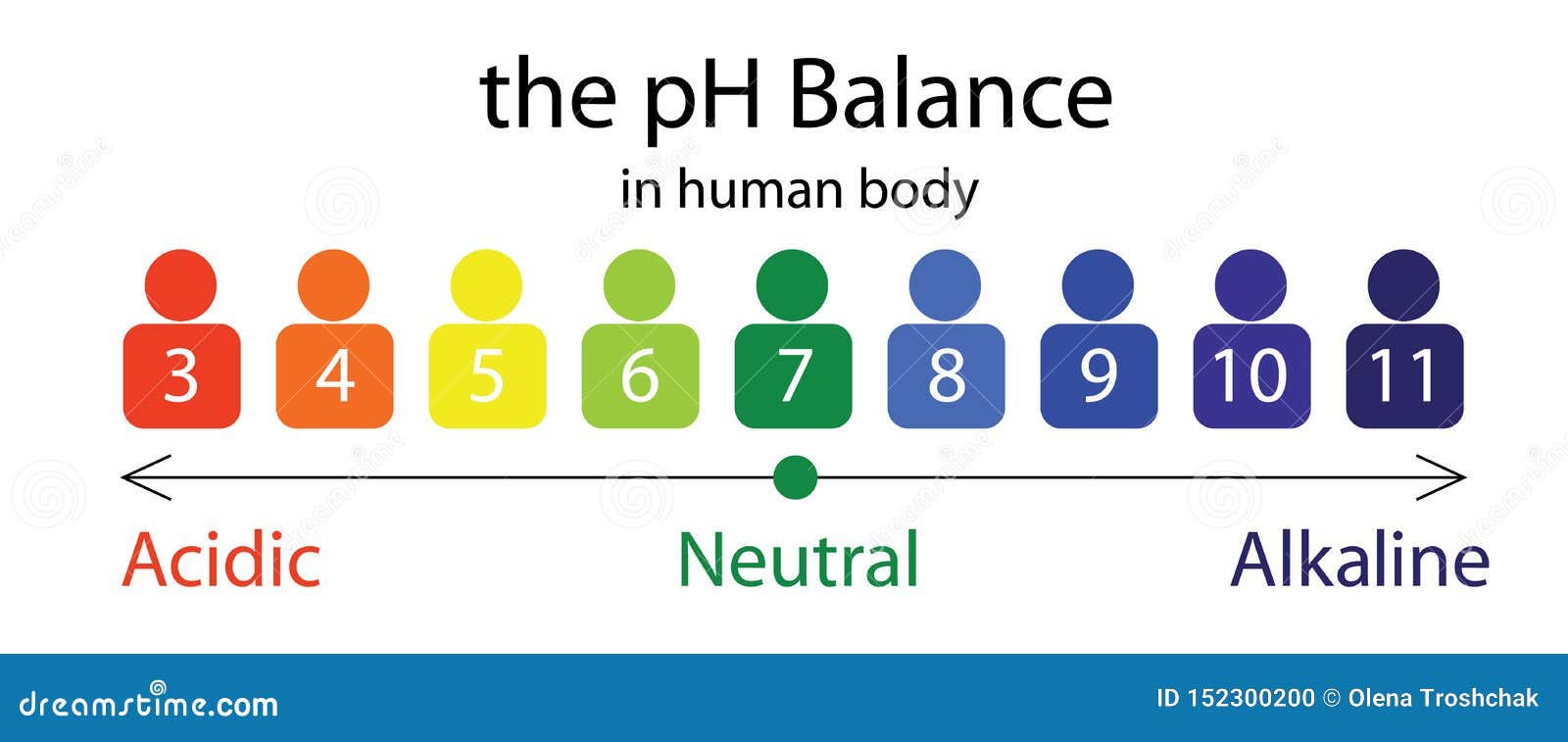
Collect a small amount in a cup (avoid the first and last part of the stream, because middle-of-the-stream is the gold standard). Dip the strip, wait, and check the color. A good range is 6.5 to 7.5 again, though it can be a little more alkaline if you’re well-hydrated and eating well.
 Alkalinity Ph Chart Royalty-Free Cartoon | CartoonDealer.com #324960773
Don’t panic if it’s a 6.0. It just means you had a steak or a stressful day. It’s a snapshot, not a life sentence.
Interpreting Your Data (Without a PhD)
Your pH will fluctuate throughout the day. A low pH (acidic) can happen after exercise, stress, or a big pizza dinner. A high pH (alkaline) might mean you’re hydrated, calm, and eating lots of veggies.
If your readings are consistently below 6.5, your body might be working overtime. Think of it like a car engine running a little hot. Time to add some coolant—aka, more water and leafy greens.
If they’re consistently above 8.0, that’s less common and could be a sign of a medical issue. Don’t diagnose yourself with internet articles. If you’re worried, go see your real-life doctor, not Dr. Google.
Simple Tricks to Nudge Your pH Back to Happy
You don’t need to live on kale and regret. Try starting your day with a glass of warm lemon water. Yes, lemon is acidic, but it has an alkalizing effect on your body. It’s the universe’s little prank.
Eat the rainbow—especially green veggies, avocados, and almonds. And for the love of all that is holy, drink water. Chronic dehydration makes your body scream, “I need more acidity to function!” Not a fun scream.
And if you’re chronically stressed? That’s a huge acid maker. Take a walk, do some deep breaths, or laugh at a cat video. Your pH will thank you.
 Your Body's pH Balance: How to Test and What It Means - Scientificmagz.blog
The Big Picture: It’s Not a Competition
Testing your pH isn’t about being perfect. It’s about listening to your body like you’d listen to a friend who’s trying to tell you something. A single reading means nothing; a trend over a week means everything.
Don’t obsess over a point or two. If your morning saliva is 6.4, don’t cancel your plans and move to a yurt. Just have a salad and a glass of water, and test again tomorrow.
One Last Pro-Tip
Write down your results and what you ate that day. That way, you’ll learn that after a Taco Tuesday, your pH dips into the “maybe I should have had a side salad” zone. It’s like a food diary, but science-y.
Also, don’t test right after brushing your teeth—the toothpaste will mess with the reading. And maybe don’t test while you’re holding a crying baby or in the middle of a work email. Your body needs a second of calm.
Your Body Is a Wonderfully Sassy Genius
Here’s the truth: your body is incredible at maintaining its own balance. Your lungs and kidneys work 24/7 to keep your blood pH right where it needs to be. So if you test your urine and it’s a little acidic, don’t freak out. Your body is just saying, “I’m processing stuff, okay? Give me a break.”
Think of pH testing as a friendly check-in, not a report card. You’re not failing if it’s off. You’re just getting to know the quirky, complicated, magnificent machine that is you. And that’s pretty awesome.
So go grab a pack of strips, test your spit on a Tuesday morning, and give yourself a high-five. You’re learning to speak the language of your own cells. That’s not just cool—it’s next-level, and frankly, it’s downright smiley. Now go drink some water and eat a carrot. Your pH is rooting for you.
