How To Test The Water In Your Home

You know that moment when you fill a glass from the tap, take a sip, and think, “Hmm, that’s… funny”? Maybe it tastes a little like a swimming pool, or leaves a chalky film on...

You know that moment when you fill a glass from the tap, take a sip, and think, “Hmm, that’s… funny”? Maybe it tastes a little like a swimming pool, or leaves a chalky film on your morning coffee. You’re not alone—pretty much everyone has had that “is this okay?” moment. The good news? Testing your water is way easier than assembling that IKEA bookshelf, and a lot less stressful.
Why Bother? (Besides Avoiding Weird Tastes)
Think of your tap water like the unsung hero of your daily routine. It’s in your pasta, your ice cubes, and the bath your kid splashes in. So, you want to know what’s actually in it, right? A simple test can tell you if that metallic taste is harmless iron or something sneakier.
And let’s be real—it’s not just about taste. Hard water can turn your pristine showerhead into a crusty, white monster. Testing early means you can save your appliances and your patience.
Must Read
Plus, if you live in an older home like mine (hello, 1960s pipes), there’s a romantic chance you have lead or copper lingering about. Romantic for history books, not for your kidneys.
The “How” Part: No Lab Coat Required
Step one: Listen to your senses. Before you buy anything, give your water a little “check-up” with your own eyes and nose. Fill a clear glass and hold it to the light. See tiny particles floating? That’s sediment or old pipe flakes. Smell anything like rotten eggs? That’s often just sulfur—harmless but stinky, like your gym bag.
If your water smells like bleach, that’s usually chlorine from the treatment plant. It’s safe, but if it’s overpowering, you might want to test for byproducts. Start with this basic “sniff-and-look” test. It’s free and it tells you a lot.
The DIY Strip Test (Your New Weekend Hobby)
Head to any hardware store or order a basic test kit online. They’re cheap—like the cost of a fancy latte. You get a little strip, dip it in a cup of tap water, and wait for the colors to change. It’s like a mood ring for your water!
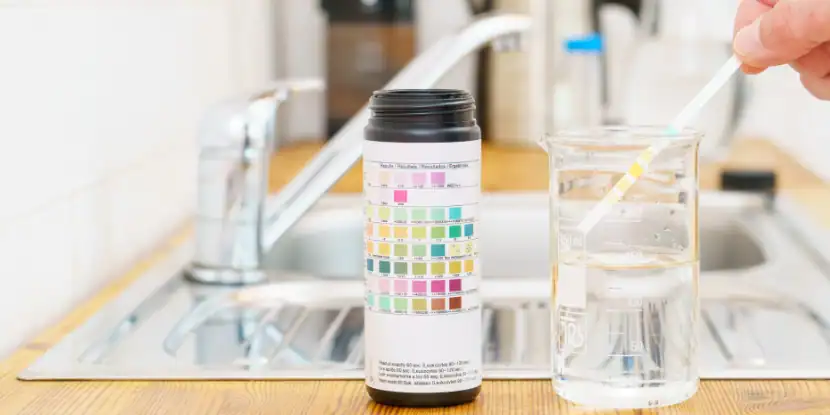 Know What's in It: How to Test Your Home's Water Quality - Anawalt
Match the colors to the chart, and boom—you’ll know about hardness, pH, chlorine, and nitrates. My own test showed my water was “very hard,” which explained why my tea always looked cloudy. Knowledge is power, people.
Jot down the results on a sticky note. You’ll feel like a scientist, but with better hair and zero lab goggles.
The “Bathroom-Sink Mystery” Fix
If your glasses come out of the dishwasher looking like they have a bad case of dandruff, that’s hard water scaling. A quick strip test will confirm it. Then you can decide: buy a simple jug filter or just laugh it off as “rustic charm.” Your call.
For lead or bacteria, you’ll want a more thorough test. Don’t panic—you can order a lab-grade mail-in kit. You fill a vial, pop it in the mail, and in a week you get a professional report. Yes, it’s a little more effort, but so is trying to unclog a showerhead with vinegar every month.
 How to Test Water Quality at Home: Your Complete Guide – World Water
What To Do With Your Results
So now you have a little strip of color or a report. Great! If your water is perfect, pat yourself on the back and enjoy your next glass with pride. If it shows high lead or bacteria, call a pro—don’t just shrug it off. Your health is worth more than procrastination.
For minor things like hardness or a little chlorine, a simple countertop filter solves 90% of problems. They’re cute too—some even match your kitchen decor. I got one that looks like a retro water dispenser, and my guests always compliment it. Style and science!
Remember: testing once a year is plenty, or after major plumbing work. It’s not a chore; it’s a five-minute favor to your future self.
The Bottom Line (Pun Fully Intended)
Testing your water is basically the adult version of checking if the milk is still good. You’re not being paranoid; you’re being responsible in a very small, manageable way. And you’ll impress your friends when they ask, “How’s your water?” and you reply, “It’s a 7.2 pH with low chloramines.”
So grab a cup, look at it funny, and give it a little test. Your tea, your hair, and your coffee maker will thank you. Cheers to drinking like a champion!
