How To Remove Chemicals From Water

Let’s talk about water. You drink it, shower in it, and probably ignore it until something goes wrong. But here’s the kicker: your tap water is a chemical soup. Chlorine, fluo...
Let’s talk about water. You drink it, shower in it, and probably ignore it until something goes wrong. But here’s the kicker: your tap water is a chemical soup.
Chlorine, fluoride, lead, and even pharmaceuticals can sneak in. Yikes. Don’t panic—you can kick those chemicals to the curb.
Why Even Bother?
First, know your enemy. That bleach-like smell? Chlorine—added to kill bacteria but also linked to weird bathroom smells. The taste of metal? Could be copper or lead from old pipes.
Must Read
A 2019 study found over 270 contaminants in U.S. tap water. That’s like a chemistry set you didn’t order. But you’re in charge now.
The Boil-and-Bust Myth
Boiling water kills germs—great for camping. But it concentrates heavy metals and salts. Boiling makes lead and arsenic more dangerous, not less.
So don’t boil chemical water. You’ll just make a toxic tea. Fun fact: boiling also concentrates nitrates from fertilizer runoff. Yay for soup.
Your Chemical Removal Toolbox
Here’s the fun part. You have four simple weapons. They come in different sizes and price tags. Pick your fighter.
1. Activated Carbon Filters (The Everyday Hero)
This is your pitcher, fridge filter, or under-sink gadget. Carbon acts like a magnet for chlorine, pesticides, and weird tastes.
It’s the rock star of water filters. It even traps some pharmaceuticals. But it won’t remove fluoride or heavy metals.
Pro tip: replace cartridges on time. Old carbon breeds bacteria—ew. Your water tastes better, but now it’s a petri dish.
2. Reverse Osmosis (The Overachiever)
This system pushes water through a membrane that blocks almost everything. It removes fluoride, lead, arsenic, and even salt.
Think of it as a bouncer for your glass. Only pure H2O gets through. But it wastes 3–4 gallons for every 1 gallon you drink.
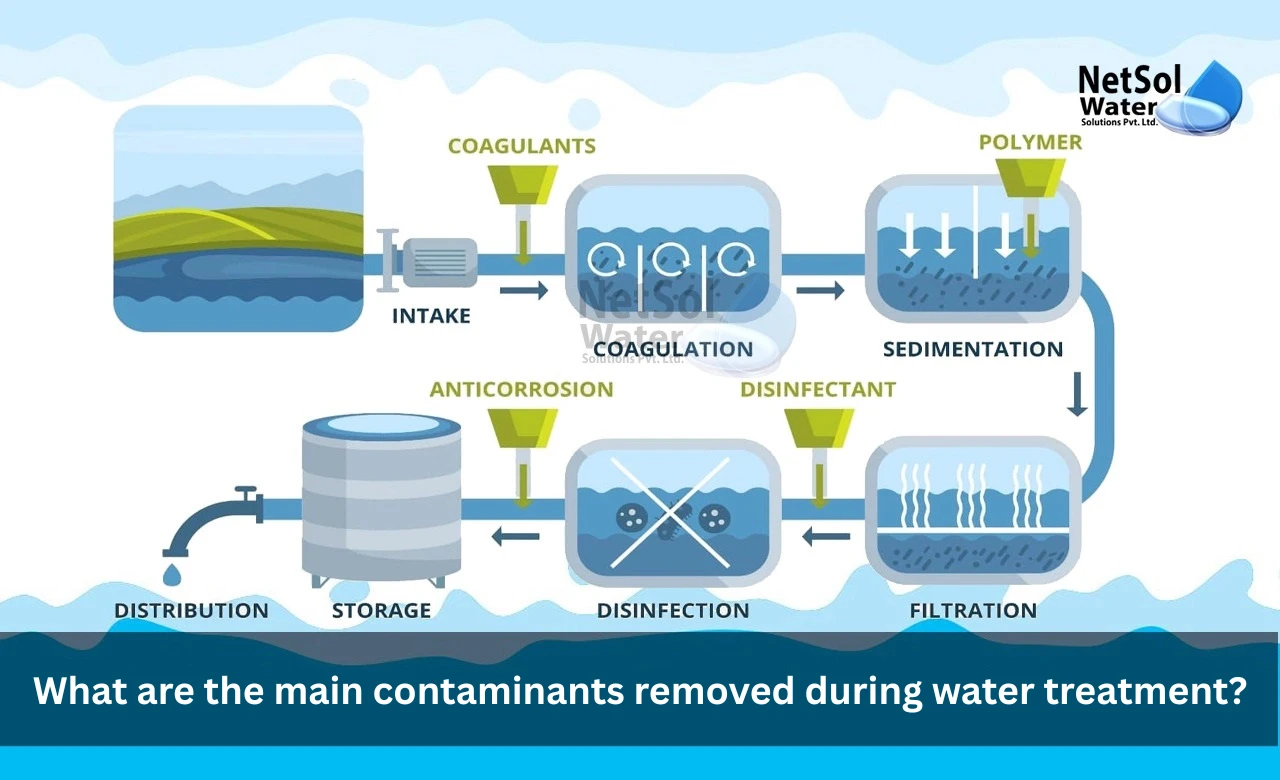
 Water Filtration Diagram For Kids
Quirky fact: NASA uses reverse osmosis on the International Space Station to recycle astronaut pee. Yes, you’re drinking space-grade technology.
3. Distillation (The Old-School Beast)
Boil water, catch the steam, let it condense. Distillation kills everything—bacteria, viruses, minerals, and chemicals.
It’s like cloud-making at home. But it’s slow (takes hours) and uses tons of energy. Also, the water tastes flat because you stripped all minerals.
Funny downside: drinking pure distilled water can actually leach minerals from your body. So add a pinch of sea salt. Seriously.
4. UV Light (The Sci-Fi Option)
Ultraviolet light blasts microorganisms into oblivion. It’s great for bacteria and viruses, not for chemicals.
UV ignores chlorine, lead, and pesticides. So pair it with carbon. Think of it as a laser show for your water—cool, but incomplete alone.
The Quirky DIY Trick
Here’s a bar trick for you: put a fresh lemon slice in your water pitcher. Lemon’s citric acid binds with some metals.
It doesn’t remove all chemicals, but it masks chlorine taste and adds vitamin C. Plus, it looks fancy. Your guests will think you’re a wizard.
Should You Trust Bottled Water?
Bottled water is often tap water in disguise. Brands like Dasani and Aquafina literally come from municipal supplies. Check the label—if it says “municipal water source,” you’re paying a premium for someone’s tap.
And plastic bottles leach chemicals like BPA. You’re adding toxins while trying to remove them. It’s a paradox trap.
 Does Boiling Remove Chlorine? How to Dechlorinate Water
A Weird Warning: The “Hot Water” Glass
Never drink water from the hot water tap. Hot water dissolves more lead and copper from pipes. That morning tea from the tap? Potentially metal-laced.
Always use cold water for cooking and drinking. Then boil if you want. Your pipes will thank you.
One Simple Hack for Renters
Live in an apartment? Can’t install under-sink filters? Get a countertop carbon filter that screws onto your faucet. No tools, no landlord drama.
It takes two minutes to install. Instant upgrade. And you look like a hydrology hero.
The Bottom Line
You don’t need a chemistry degree. Carbon filtered water beats tap water nine times out of ten. If you have heavy metals, go reverse osmosis or distilled.
Test your water first—find out what’s actually in it. Those $20 home test kits are worth every penny.
Water is a living thing. Treat it right, and your body will hum. Plus, you get to say “I removed chemicals from my water” like a smug scientist.
Parting Quirky Fact
Some ancient Romans used silver coins in their water jugs. Silver kills bacteria—it’s why old-timers never got sick on ships. Today, silver is used in some high-end filter cartridges.
You can literally be ancient and modern at the same time. Go drop a clean quarter in your pitcher? Joke—don’t. Modern coins are mostly nickel and zinc. Use a silver spoon instead.
Now go drink something. And make it chemical-free. Your cells are clapping.
