Why Do I Smell Bleach In My House

You walk into your kitchen, expecting the usual smell of coffee and toast. Instead, you get a sharp, chlorine-like punch that makes you wrinkle your nose. It’s the unmistakabl...

You walk into your kitchen, expecting the usual smell of coffee and toast. Instead, you get a sharp, chlorine-like punch that makes you wrinkle your nose. It’s the unmistakable scent of bleach, and it seems to have shown up out of nowhere.
Before you panic and assume a cleaning ghost is haunting your counters, take a deep breath. That phantom bleach smell usually has a very simple, and very human, explanation. Let’s track down the culprit together, detective style.
The Usual Suspects: Appliances Gone Wild
Your appliances are the most likely offenders. Think of your dishwasher or washing machine as a temperamental roommate who never cleans up after itself. If you smell bleach near them, they are probably trying to tell you something.
Must Read
Check for standing water at the bottom of your dishwasher. That stale water, mixed with leftover food bits, can ferment and produce a smell that mimics bleach. It’s a bacterial party you definitely weren’t invited to.
The same goes for your washing machine. If you never run a hot cycle with a cleaner, a biofilm can build up inside the drum. That film smells like a swimming pool that hasn’t been visited in years. Run an empty hot wash with a cup of vinegar or a specialized washer cleaner to kick that smell out.
It’s Not Bleach, It’s Chemistry
Here’s a fun little science twist: sometimes, what you smell isn’t bleach at all. It’s a chemical reaction between two very common household cleaners. For example, mixing ammonia (found in some glass cleaners) with bleach is a terrible, dangerous idea that creates toxic chlorine gas.
But there’s a subtler one. If you use a cleaner with chlorine bleach in your sink, then immediately scrub with a cleaner that has ammonia or acids (like vinegar), the fumes can linger. Your nose might register it as "bleach smell" because the chemistry is creating a ghost version of the real thing.
The fix? Never mix cleaners. Stick to one product at a time, and rinse surfaces with water between different products. Your nose—and your lungs—will thank you.
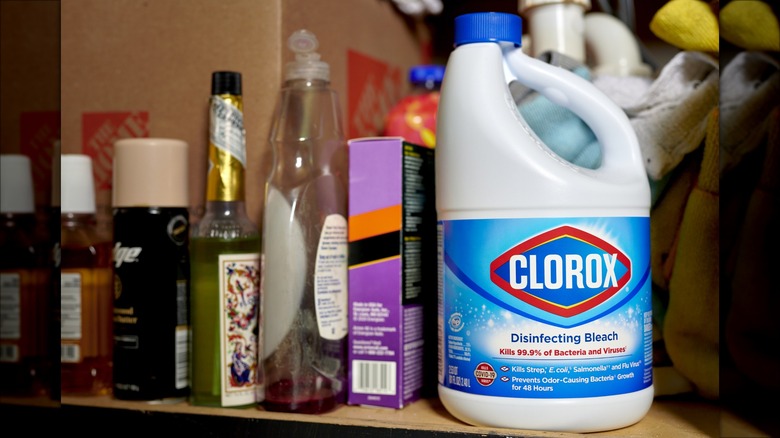 Smells That Are Major Red Flags Around Your Home
The Sneaky Water Issue
Have you noticed the smell only appears when it rains? Or right after a hot shower? You might be dealing with hard water or well water. Water with high mineral content can react with the chlorine that cities add to keep tap water safe.
That reaction produces a smell that closely resembles bleach, especially when the water is heated. It’s not dangerous, but it’s certainly annoying. If your water heater is the source, the smell can drift through the whole house when you run hot water.
To test this, fill a glass of cold water from the tap, then walk away. If the smell disappears from the glass after a minute, but lingers in the bathroom after a shower, your water heater is your prime suspect. A plumber can flush it to remove built-up sediment.
The Forgotten Mop Bucket
Let’s talk about your cleaning closet. We’ve all been there. You mop the floor with a bleach solution, then wring out the mop, shut the bucket lid, and forget about it for two days. Surprise! That trapped, soupy mop water is a biohazard that smells sharper than a fresh jug of bleach.
The smell travels from the closet through vents and under doors. It’s like a phantom reminder that you left a chore half-finished. The fix is simple: empty and rinse any bucket, mop, or sponge immediately after cleaning. A dry cleaning tool is a happy cleaning tool.
 10 Easy Ways to Get Rid of Bleach Smell from Your House - MyHomeDwelling
Also, check your toilet. A broken wax ring can let sewer gases seep out, and those gases can be mistaken for a chlorine smell. If the smell is strongest in your bathroom, and it comes and goes with the wind, call a plumber before you buy more bleach.
Why Should You Care? (The Fun Part)
Okay, so you’re smelling bleach. Who cares? Well, imagine if every time you cooked bacon, the smoke alarm meant a real fire was starting. Your nose’s job is to catch small problems before they become big ones.
A persistent bleach smell can be a sign of bad air quality in your home. If it’s from mixing cleaners, it could be harming your lungs without you noticing. If it’s from a forgotten bucket, it means mold is growing where you live, breathe, and sleep.
But also, there’s a simpler reason: peace of mind. You don’t want to walk into your living room and feel like you just entered a hospital. You want your home to smell like you—cinnamon, laundry, or just… clean air. Chasing that phantom smell is an act of self-care.
The best part? Tracking it down makes you feel like a hero. You become the Captain of the Kitchen, the Sheriff of the Laundry Room. You sniff out the problem, fix it, and reclaim your castle from the ghost of bleach past.
So next time that sharp smell hits you, don’t panic. Grab a flashlight, open a cabinet, and start your investigation. Your home is trying to tell you a story—one with a happy, smell-free ending.
