Does Cold Or Hot Water Kill Germs

We’ve all been there, staring at a germy mystery on a cutting board or a scraped knee, wondering: does it take scalding hot water or an icy cold blast to save the day? It’s on...

We’ve all been there, staring at a germy mystery on a cutting board or a scraped knee, wondering: does it take scalding hot water or an icy cold blast to save the day? It’s one of those everyday dilemmas that feels scientific but is actually soaked in old wives’ tales. Let’s pull up a stool at the kitchen sink and settle this once and for all.
Spoiler alert: hot water is the hero in this story, but not for the reasons you might think. The truth is, the water that comes out of your tap—even the hottest setting—is rarely hot enough to kill germs on its own. Most pathogens need sustained exposure to temperatures above 140°F (60°C) to die, and your home water heater usually maxes out around 120°F to 130°F.
So why has Grandma’s “wash it with hot water” rule been passed down for generations? Because hot water is a master degreaser. It melts oils and fats that trap bacteria, allowing soap to do its real job of lifting germs off surfaces and sending them down the drain.
Must Read
Cold water’s surprising superpower
Don’t ice out cold water just yet—it has a few tricks up its sleeve. Running a cut under cold water can actually help reduce swelling and slow down bacterial growth at the site of a wound. It’s not killing the germs, but it’s buying your immune system precious time.
For everyday handwashing, the temperature doesn’t matter as much as the friction and duration. A 2017 study out of Rutgers University found that washing with 60°F water removed just as many germs as 100°F water, as long as you lather with soap for 20 seconds. So, go ahead and sing “Happy Birthday” in any thermal conditions you like.
Cold water is also a legend in the laundry room. Modern detergents are formulated to work in chilly washes, saving energy and protecting your favorite cashmere sweater. Just remember: for heavily soiled items like gym socks or dish towels, hot water still helps dissolve grime.
The cultural disconnect
Why do we feel like hot water is cleaner? Blame it on a little psychological phenomenon called the “thermal bias.” Humans associate heat with purification—think of boiling water for tea or sterilizing baby bottles. It’s primal, powerful, and frankly, quite satisfying.
 Do Boiling Kill Bacteria at Katherine Roosa blog
In Japan, there’s a traditional practice of using cold water for morning face-washing to wake up the skin, but hot water for soaking in onsens to relax muscles. Neither is explicitly about germs, but both show how culture shapes our hygiene habits. Meanwhile, European hospitals often use cold water for handwashing because it’s gentler on skin, reducing cracks where bacteria can hide.
Fun fact: The Romans built entire bathhouses around hot and cold plunges, believing they balanced the body’s humors. They didn’t know about microbes, but they were onto something about circulation and skin health.
Practical tips for your daily routine
When it comes to cleaning wounds, skip the hot water—it can damage tissue and slow healing. Instead, rinse cuts with cool or lukewarm water and mild soap, then pat dry. Your body’s own immune system is better at killing germs than any tap.
For disinfecting sponges, hot water isn’t enough. Pop them in the microwave (wet) for two minutes, or run them through the dishwasher on a heated dry cycle. That’s where real germ death happens.
In the kitchen, use hot water and soap for cutting boards that have touched raw chicken or fish. The heat helps release stubborn proteins, while soap does the germ-lifting. For fruits and veggies, a cool water rinse works perfectly—no need to boil your salad.
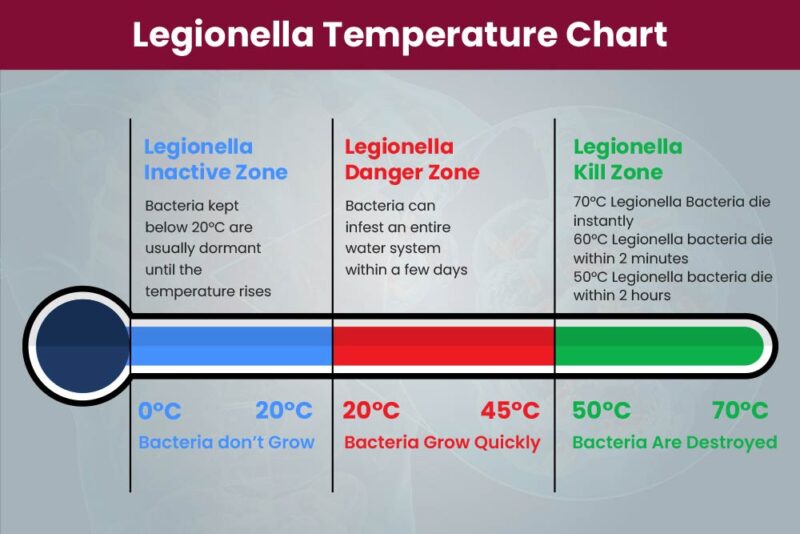 What Temperature Kills Legionella?
A touch of pop culture wisdom
Remember that scene in The Bear where Carmy obsessively scrubs pans? He’s not wrong to use hot water, but the real magic is in the elbow grease. In Breaking Bad, Walter White uses cold water to crystallize certain chemicals—a reminder that temperature is a tool, but context is king.
Even influencers are in on the debate: “cold water skincare” routines are trending on TikTok, with claims it reduces puffiness. Meanwhile, “hot girl walks” in the summer sun remind us that sweat, not water temp, is nature’s germ-fighter.
The real takeaway
Here’s the bottom line: soap is the star. Water temperature is just the supporting actor. Whether you prefer a steaming stream or a refreshing chill, you’re mostly washing away germs, not torching them. The CDC agrees: hand hygiene depends on friction, time, and soap.
So next time you’re at the sink, don’t stress about the dial. Sing your song, scrub your hands, and let the water run at whatever temperature soothes your soul. You’re already winning the germ war—just by showing up with soap.
And isn’t that a little like life? We chase the hot fix or the cold shock, but the real magic is in the steady, consistent effort. Wash on, wanderer.
