What Does A High Ph In Water Mean

Hey there, water wizard! So, you’re wondering what it means when someone says your water has a high pH. Grab a glass of your favorite beverage—hopefully not liquid rock—and le...

Hey there, water wizard! So, you’re wondering what it means when someone says your water has a high pH. Grab a glass of your favorite beverage—hopefully not liquid rock—and let’s dive in. I promise this won’t feel like a boring chemistry lecture.
What the Heck Is pH, Anyway?
Think of pH like a mood ring for water, but instead of emotions, it measures how acidic or basic (also called alkaline) it is. The scale runs from 0 to 14, with 7 being perfectly neutral—like a zen master in liquid form. A high pH means the water is above 7, leaning toward the alkaline side, like baking soda or your grandma’s famous antacid.
Most tap water sits around a pH of 6.5 to 8.5, which is totally fine. But when it creeps higher—say, 9 or 10—you’ve got some interesting stuff happening. It’s like your water decided to join a yoga retreat and become extra chill.
Must Read
So, What Does a High pH Mean for Your Water?
First off, high pH water often tastes a little bitter or metallic. Ever accidentally drink from a garden hose on a hot day? Yeah, kind of like that, but less regret. It can also leave white, chalky scales on your faucets and showerheads—like the water is trying to build a tiny limestone castle in your bathroom.
That scaling isn’t just annoying; it can gunk up your pipes and appliances. Your coffee maker might start grumbling like a disgruntled barista. And if you have a fish tank, high pH water can stress out your finned friends—goldfish are not fans of a surprise alkaline party.
Is It Dangerous to Drink?
Short answer: No, not usually. High pH water (like from fancy bottled alkaline water) is often sold as a health booster. Some swear it helps with acid reflux or hydration, though science is still sipping on that debate. The real concern is if the pH is extreme—above 11 or so—then it can irritate your skin or stomach. But honestly, you’d probably spit it out before it did any harm. Your tongue is a surprisingly good pH meter.
However, if your well water or tap water suddenly spikes in pH, it might signal something else. It could be hard water—loaded with calcium and magnesium—or even a sign of corrosion in metal pipes. That’s when you call a pro, not just your friendly neighborhood plumber uncle.
![[Solved] The pH value of water is](https://storage.googleapis.com/tb-img/production/21/06/ph_scale.png) [Solved] The pH value of water is
[Solved] The pH value of water is
Why Would Water Go Alkaline in the First Place?
Nature loves a good mix of geology. Water moving through limestone or chalky soil picks up minerals like calcium carbonate, pushing the pH up. It’s basically the water’s version of a road trip snack. Rainwater starts acidic (around 5.6), but as it flows over rocks, it becomes more basic. So, high pH water is often just “groundwater with a lot of character.”
Human activities can also bump up the pH. Things like industrial runoff or agricultural fertilizers can make water more alkaline. But don’t panic—your local water utility tests for that stuff constantly. They’re like security guards for your tap.
How Do You Fix High pH Water?
If you’re dealing with a pH of 9 or higher and it’s bugging you, you can lower it. The magic trick is using a neutralizing filter that adds a bit of acid—like vinegar in a science fair volcano. Or you can install a reverse osmosis system, which is fancy plumbing that essentially says, “No, thank you, minerals.” But honestly, if the water is otherwise clean, a high pH is more of a nuisance than a nightmare.
For garden lovers: high pH water can turn your hydrangeas blue (which is cool) but make your tomatoes yellower (not so cool). So, test your soil and maybe skip the alkaline splash for your prize-winning zucchinis.
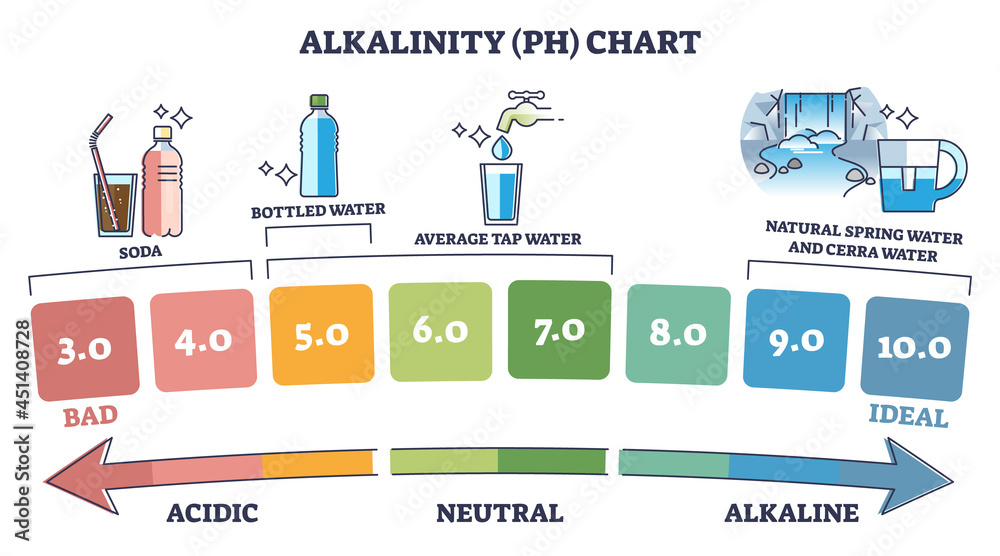 38 ph scale labeled diagram
The Bright Side of High pH Water
Here’s the fun part: high pH water isn’t the villain some make it out to be. In many parts of the world, naturally alkaline springs are celebrated for their supposed health benefits. People travel miles to sip from them, like spiritual pilgrims in stretchy pants. Some studies suggest it might even help neutralize stomach acid, though I’d still grab a Tums if I were you.
Plus, high pH water makes an amazing base for homemade soap or brewing kombucha. Yes, kombucha! If you ever wanted to make your own fizzy, fermented tea, slightly alkaline water helps the bacteria and yeast do their happy dance. Warning: your kitchen may smell like a friendly alien spaceship.
Conclusion: Don’t Sweat the pH, But Do Test It
So, what does a high pH in water mean? In short: it’s a bit more basic, a little bitter, and maybe a tad stubborn on your faucets. But it’s not a red alert—more like a yellow caution light. You can drink it, garden with it, and even make soap out of it. And if you’re really worried, a simple test kit from a hardware store costs less than a fancy coffee.
Remember, water is your friend—even when it’s acting a little extra alkaline. The next time you take a sip, smile and think, “Today, I’m drinking the earth’s mineral magic.” Cheers to you, you pH-savvy legend! Now go enjoy that glass of water—it’s just trying to help you be a little more balanced.
