Why Does Water Taste Bitter To Me

So, you take a sip of crystal-clear water, expecting pure refreshment, and bam—it hits you like a mouthful of grapefruit rind. You’re not alone. Millions of people secretly wo...
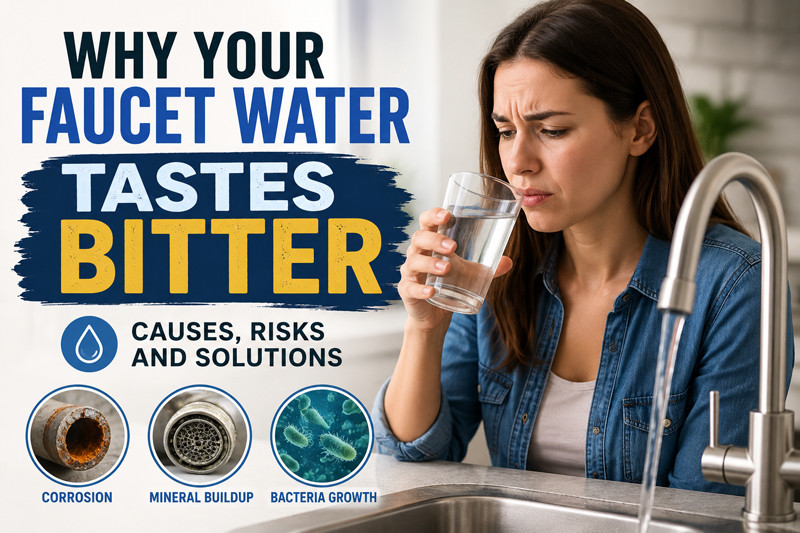
So, you take a sip of crystal-clear water, expecting pure refreshment, and bam—it hits you like a mouthful of grapefruit rind. You’re not alone. Millions of people secretly wonder, “Why does water taste bitter to me?” And let’s be honest, it can feel like a tiny cosmic prank.
But here’s the fun part: this isn’t a flaw. It’s actually a superpower. Your tongue is a detective, and it’s picking up on clues most people miss. Let’s unravel the mystery together.
Your Genes Are the Ringmaster
First up, blame your ancestors. Genetics plays a huge role in how we taste bitterness. About 25% of people are “supertasters”—they have more taste buds, especially ones sensitive to bitter compounds.
Must Read
Water itself isn’t bitter, but it’s a solvent. It picks up tiny amounts of minerals like calcium, magnesium, or even copper from pipes. A supertaster’s tongue screams, “Alert! Bitter!” while a regular taster just shrugs.
So, if your water tastes bitter, you might be part of an elite tasting club. Congratulations—you’re a flavor ninja.
The pH Factor & Your Mouth’s Chemistry
Here’s another twist: your own mouth changes the game. A slightly acidic or alkaline pH in your saliva can make water taste sharp. If you just brushed your teeth, toothpaste residue amplifies bitterness too.
Even better—dehydration can mess with your taste buds. When you’re parched, your saliva gets thicker and less effective at clearing bitter compounds. Suddenly, water tastes like a fight.
Try sipping water slowly after a meal, or let it sit for a minute. Often, the bitterness fades as your mouth adjusts. Magic, right?
Medications, Health, and a Pinch of Curiosity
Sometimes, a bitter water taste is a gentle nudge from your body. Medications—like antibiotics, antidepressants, or even some vitamins—can leave a metallic or bitter ghost in your mouth. Water just carries the echo.
 Why Does Sparkling Water Taste Bad? - PostureInfoHub
Pregnancy, hormonal shifts, or even a simple cold can change your taste perception. It’s your brain saying, “Hey, pay attention to me!” Listen up.
And yes, tap water can vary wildly. If your local supply adds chlorine or you live near a well with high sulfate levels, you’re literally tasting the geology of your neighborhood. That’s kind of cool, actually.
How to Turn the Bitter into Better
This is where life gets fun. Instead of fighting it, experiment. Add a slice of lemon, a sprig of mint, or a tiny pinch of salt. Those flavors balance bitterness and make water taste crisp.
Try filtering your water through a charcoal pitcher or a fridge filter. It pulls out many minerals that trigger your bitter alarms. Or switch to sparkling water—the carbonation can dance past bitter notes.
And here’s a pro tip: drink water at room temperature. Cold water numbs your tongue, but room temp lets you taste the truth. You might discover your water is actually sweet.
Why This Makes Life More Fun
Think about it. You’re not just drinking water—you’re having a conversation with your chemistry set. Every sip is a mini experiment. Your unique tongue is a conversation starter, not a problem.
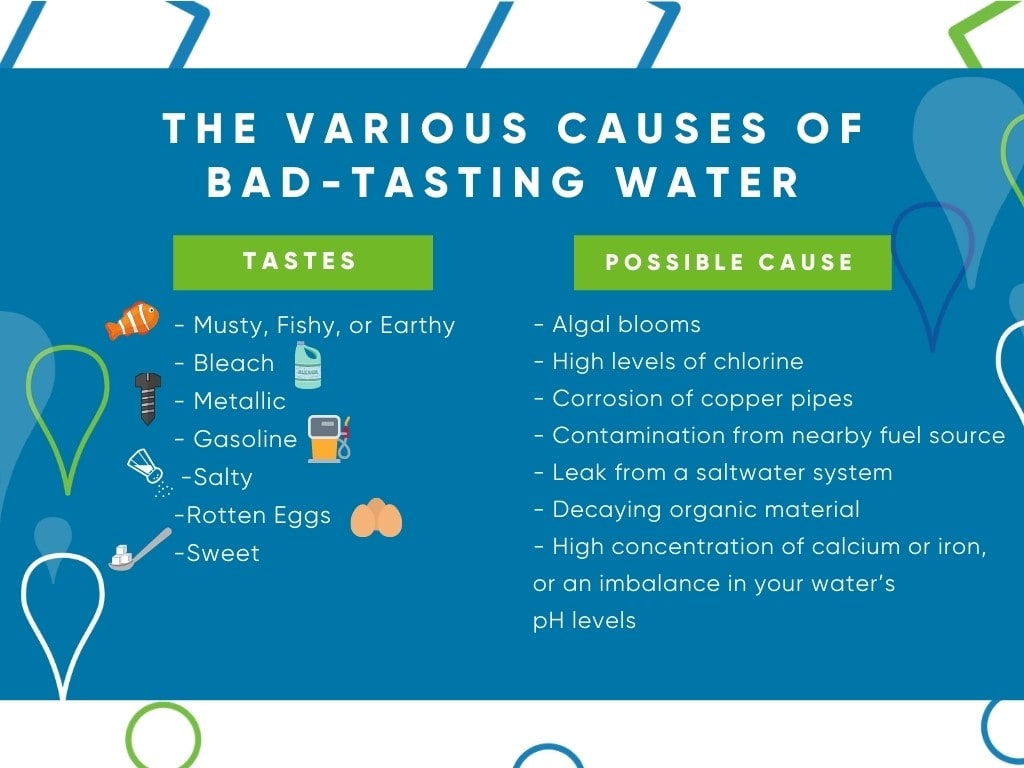 Water Tastes Bad After Changing Filter at Rita Skelley blog
Next time someone hands you a glass and you wince, you can grin and say, “I’m a supertaster. It’s a gift.” Own it. You’re tasting a world that most people miss.
Plus, this curiosity spills into everything. Suddenly, you start asking why coffee tastes different to different people, or why broccoli is love or hate. Your palate becomes a playful detective.
The Inspiring Takeaway
So, yes—water tastes bitter to you. But that doesn’t mean it’s bad. It means you’re attuned. You’re sensitive to the subtle whispers of your environment. That’s not a curse; it’s a compass.
Lean into it. Explore different waters (spring vs. filtered, flat vs. sparkling). Keep a tiny taste journal. You might uncover that you prefer a specific mineral profile, like a water sommelier.
And here’s the uplifting note: life is more vivid when you notice the details. The person who tastes bitterness in water is also the person who savors the faint floral notes in tea or the bright zip in a salad. You’re a connoisseur in the making.
So go on—take another sip. Smile at the bitterness. Ask it questions. And remember: every flavor is a story your body is telling you. What will you taste next?
