Does Iced Coffee Contain Caffeine

Let’s get real for a second. You’re staring into a glass of iced coffee, watching those dark cubes float. Your brain is screaming one question: Does this thing actually have c...
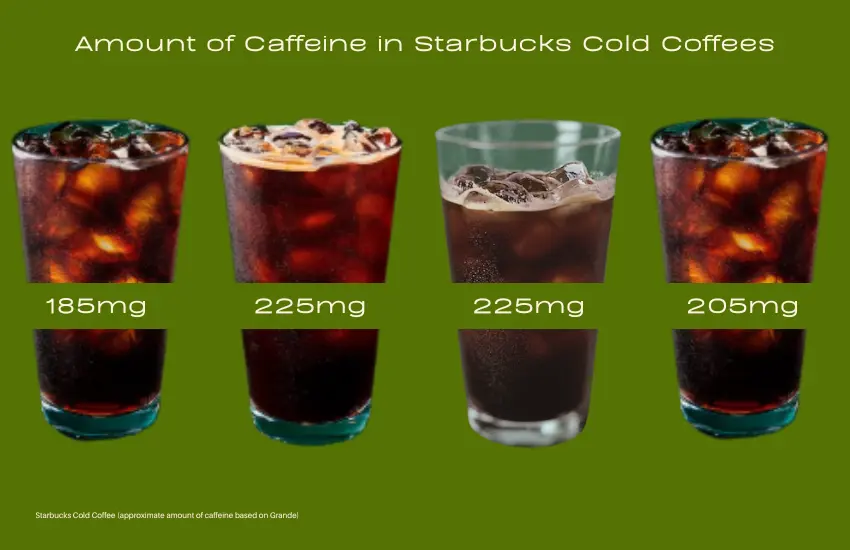
Let’s get real for a second. You’re staring into a glass of iced coffee, watching those dark cubes float. Your brain is screaming one question: Does this thing actually have caffeine?
Spoiler alert: Yes, it does. But the story gets weirder and more wonderful the deeper you go.
First, let’s kill the biggest myth. Many people think cold coffee is weaker. They imagine it’s just sad, watered-down hot coffee.
Must Read
That’s wrong. In fact, some iced coffee packs a meaner punch than its steaming counterpart.
The Hot vs. Cold Showdown
Regular hot coffee uses heat to yank caffeine out of beans. It’s fast and aggressive.
Cold brew? That’s a slow, patient heist. Beans soak in cold water for 12 to 24 hours.
This long, cold hug extracts more caffeine than hot water. It’s a chemical fact, and it’s beautiful.
But here’s the twist: iced coffee and cold brew are not the same thing. Iced coffee is just hot coffee poured over ice.
That means it dilutes. The ice melts, lowering the caffeine concentration per sip. But the total caffeine in your cup? Still about the same as a hot cup.
The Dilution Dilemma
Imagine this: you brew a strong hot coffee. You pour it over a mountain of ice. Now you’ve got a bigger volume of liquid.
So a 16-ounce iced coffee often has 160-200 mg of caffeine. A 16-ounce hot coffee? About 180-220 mg.
Close call, right? But wait—there’s a sneaky secret weapon: concentrate.
Many coffee shops brew iced coffee with a double-strength recipe. They use twice the grounds for the same water, then ice it.
This is brilliant. It means your iced coffee might actually have more caffeine per ounce than a regular hot cup. You just don’t feel it because the ice chills you out.
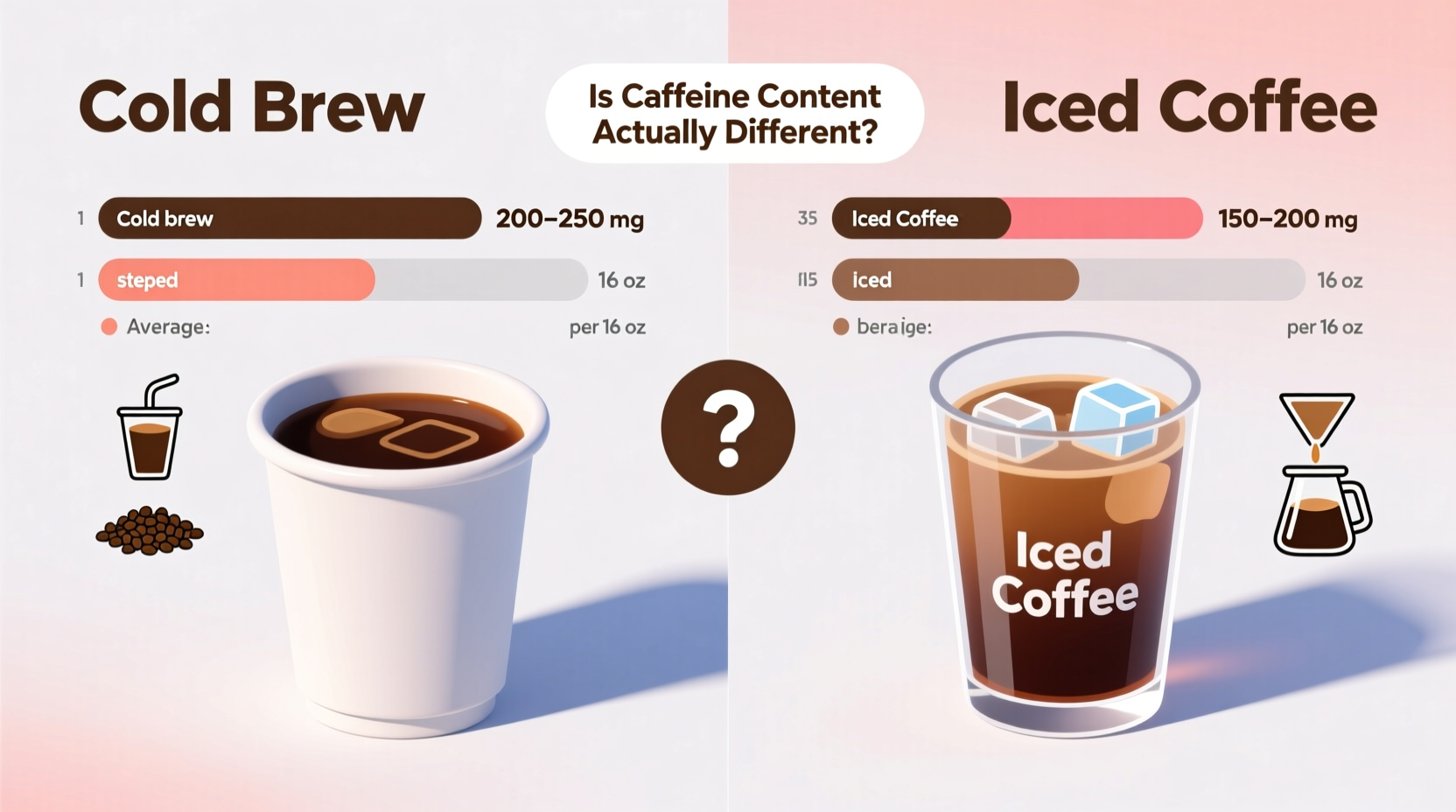 Cold Brew Vs Iced Coffee Is The Caffeine Content Actually Different
The Cold Brew Beast
Now, cold brew is a different animal. It’s wild. A standard 16-ounce cold brew from a shop can hit 200-250 mg of caffeine.
Some chains sell “tall” cold brews that pack 300 mg. That’s like drinking two energy drinks while wearing sunglasses.
It’s so smooth that people chug it without realizing the power they’ve unleashed. Your heart notices, though. It’s the coffee that goes down like silk and hits like a truck.
But here’s a hilarious paradox: the darker the roast, the less caffeine you get in the scoop.
Wait, what? Yes. Dark roast beans are roasted longer, which burns off some caffeine. Light roast is denser with the good stuff.
So your light-roast iced coffee might be a higher-energy choice than a dark-roast cold brew. Insanity, I know.
The Ice Factor
Let’s talk ice cubes. You’re paying for a drink, but half the cup is frozen water.
As those cubes melt, they turn your coffee into coffee-flavored sorrow. The caffeine concentration drops.
Unless you order no ice. Then you get pure, unfiltered caffeinated joy. But it’s warm, which defeats the point.
The solution? Order a smaller ice load. Or ask for coffee ice cubes. Yes, those exist.
Some geniuses freeze coffee into cubes. They melt into more coffee, not water. That’s a power move.
The Side Hustle: Nitro
Have you seen those taps at coffee shops? That’s nitro cold brew. It’s infused with nitrogen gas.
 How Much Caffeine Is in Cold Brew Coffee? – Colipse
This creates a creamy, Guinness-like head. It also makes the caffeine hit you faster because the nitrogen speeds absorption.
So a nitro cold brew isn’t just caffeinated—it’s a launch sequence. You drink it, and your brain starts assembling furniture.
The Decaf Trap
What about decaf iced coffee? Oh, sweet summer child. Decaf is not caffeine-free.
It still has about 2-5 mg per cup. That’s a tiny ghost of a buzz, but it’s there.
Order decaf iced coffee, and you’re basically drinking cold, sad water with a whisper of stimulation. Why do people do this to themselves?
The Math of Madness
Let’s do some quick, fun math. A typical soda has 30-40 mg of caffeine. Your iced coffee? Often 150-250 mg.
That’s like drinking six sodas in one frosty cup. And you haven’t even finished the first sip.
But here’s the real kicker: your body processes iced coffee differently. Cold temperature slows down caffeine absorption slightly.
This means the buzz comes on smoother, but it might last longer. You’re riding a slower, longer wave.
So yes, iced coffee definitely has caffeine. It’s not a trick question. It’s a delightful truth.
Now go forth. Order your iced coffee with confidence. Ask for extra shots. Use coffee ice cubes.
And when someone asks you, “Does iced coffee have caffeine?”, you can look them dead in the eye and say, “Yes, and it might just save your entire afternoon.”
