Does Water Expire In Water Bottle

Okay, let's tackle a question that's probably crossed your mind while staring at a dusty water bottle in your car: Does water expire? It sounds silly, right? Water is just H2O...
Okay, let's tackle a question that's probably crossed your mind while staring at a dusty water bottle in your car: Does water expire? It sounds silly, right? Water is just H2O, a simple molecule that has been around since the dinosaurs drank it.
The Short, Chill Answer
Technically speaking, no, the water molecules themselves don't expire. They aren't like milk or a banana that will rot into a mess. However, the experience of drinking that water? Yeah, that can definitely go bad.
Think of it this way: you wouldn't want to drink a glass of water that's been sitting out on your nightstand for three weeks, would you? The water is still wet, but something feels off.
Must Read
What Actually Goes Wrong?
It's not the water that spoils—it's the bottle and the environment. Over time, the plastic bottle can start to leach tiny amounts of chemicals into the water, especially if it gets warm in your car or near a sunny window. This can give the water a weird, "plastic-y" taste.
Then there are the invisible gremlins: bacteria. Every time you put your lips to that bottle, you're introducing microbes from your mouth. Give them a few days in a warm, dark bottle, and they throw a tiny party, multiplying like crazy. The water might still look clear, but it becomes a germ soup. Yikes.
So, the water hasn't "expired" like a carton of eggs, but its quality and safety have taken a nosedive. It's more of a lazy expiration—a gradual slide into "meh" territory.
The Science of Stale Water
Have you ever taken a sip of water from a bottle you opened last night and thought, "Hmm, that tastes a bit...flat?" That's because carbon dioxide from the air has dissolved into the water, forming a tiny bit of carbonic acid. This actually lowers the pH just slightly, making it taste stale or "off."
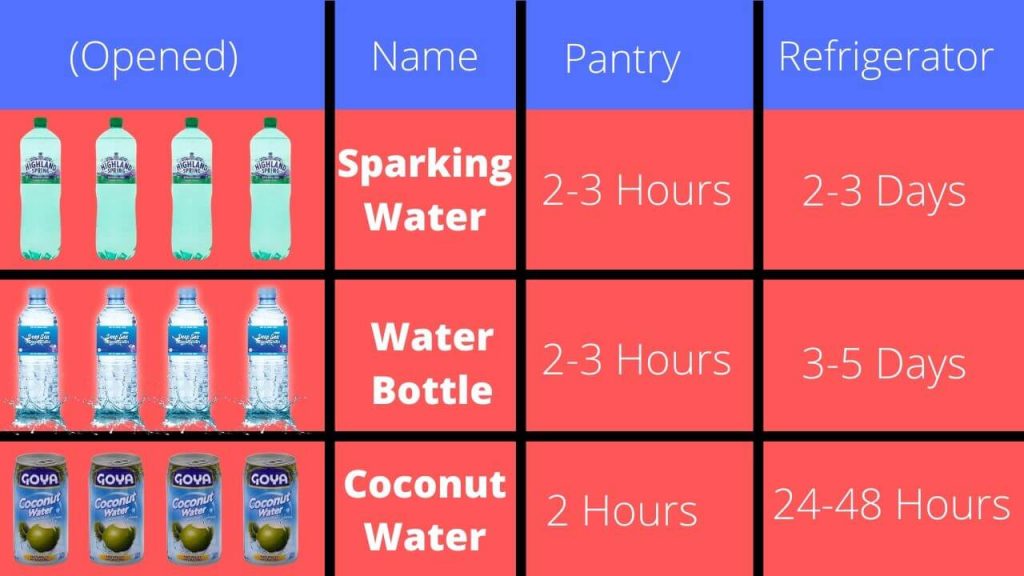 How Long Does Bottled Water Last - Decoding the Expiration Dates
It’s the same reason why a fresh glass of tap water tastes so crisp compared to one that's been sitting out for a day. The dissolved oxygen leaves, and the water becomes less "alive" on your tongue. Think of it like a soda that’s lost its fizz—just way more subtle.
Fun Comparisons to Keep You Hooked
Think of bottled water as a couch potato. It’s fine sitting still for a while, but after a few months, it gets a bit dull and cranky. A fresh glass of water is a marathon runner—full of energy, crisp, and ready to go.
Or, imagine a sealed water bottle like a time capsule. If you bury it (I mean, store it) in a cool, dark pantry, the water inside stays pretty much the same for years. But if you leave it in your hot car, it’s like a time capsule left on a volcano—the contents are going to change for the worse.
It’s also a lot like bread. A fresh loaf is amazing, but a stale loaf is safe to eat—just not pleasant. Similarly, water from an old bottle is usually safe if it was sealed and stored well, but it’s just not a fun drink.
 Does Water Expire? Shelf Life, Safety, and Smart Storage Explained
So, What’s the Verdict?
If you find a sealed, unopened bottle of water that’s two years old and it’s been stored in a cool, dark closet—go for it. It’s safe, though it might taste a bit flat. You’re basically drinking a perfectly preserved artifact.
But if you find a bottle that’s been open for a week, or one that’s been sunbathing on the dashboard of your car? Toss it. It’s not worth the weird taste or the potential bacteria party. Trust your nose and your taste buds—they know when water has given up on being refreshing.
At the end of the day, water never truly "expires." It just becomes a less and less polite guest in your mouth. So next time you’re thirsty, grab a fresh bottle and treat yourself to the crisp, un-expired experience. Your taste buds will thank you.
Stay hydrated, friends. And maybe keep a reusable bottle nearby—so you never have to gamble on stale water again.
