What Hard Water Does To Your Skin

So, picture this: last winter, I moved into a charming little apartment. The water pressure was amazing, and the rent was reasonable. I felt like I had won the housing lottery...
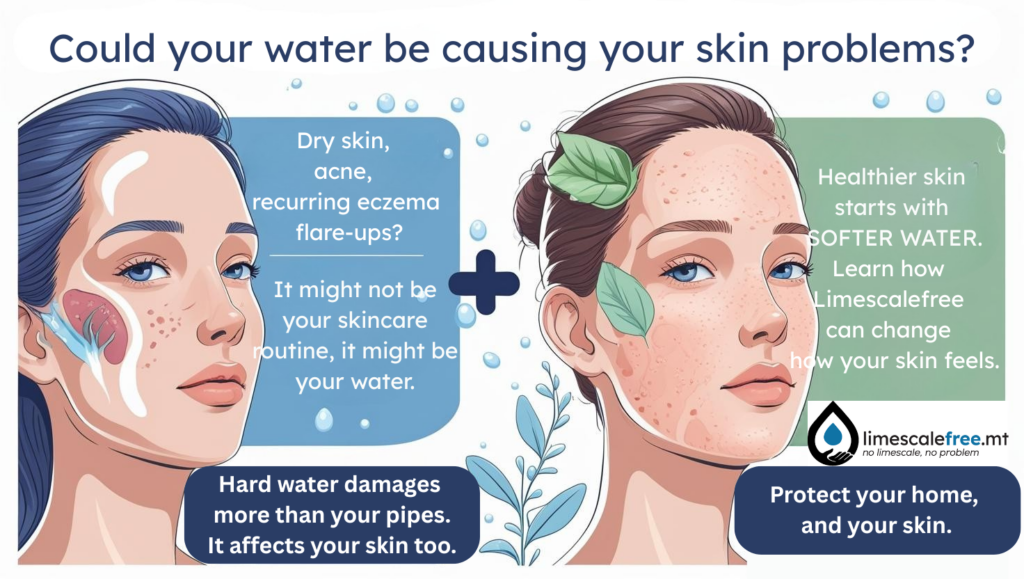
So, picture this: last winter, I moved into a charming little apartment. The water pressure was amazing, and the rent was reasonable. I felt like I had won the housing lottery. Then my skin started throwing a tantrum.
My face felt tight right after washing it. My hands got these angry, red patches that no lotion could soothe. It took me weeks of furiously Googling (and one dramatic conversation with my super) to figure out the culprit: hard water. If this sounds familiar, you’re not crazy, and you’re definitely not alone.
The Silent Saboteur in Your Shower
Hard water isn't just about that annoying white film on your coffee pot. It’s literally packed with dissolved minerals, mostly calcium and magnesium. Think of it as liquid chalk that hits you every single day.
Must Read
When you wash with it, these minerals don't just rinse off. They stick around on your skin, creating a microscopic, invisible layer. (Gross, right? I know.)
This layer acts like a barrier that prevents moisture from getting in. It also makes it way harder for soap and cleanser to actually lather properly. You end up using more product, thinking you’re getting cleaner, when really you’re just leaving a sticky, mineral-laced residue behind.
That Tight, "Squeaky Clean" Feeling is a Lie
Remember that feeling of squeaky-clean skin after a shower? The kind that feels like you’re wearing a tight rubber mask? That is not hydration. That is your skin's protective acid mantle being stripped raw by hard water interacting with soap.
That tightness is a cry for help. It means your skin’s natural oils have been disrupted, leaving it vulnerable to irritation and dryness. It’s basically the skin equivalent of a really bad sunburn—but you caused it by taking a shower.
This is especially brutal if you already have sensitive skin or conditions like eczema. The minerals act like tiny irritants, making flare-ups worse and healing almost impossible. It’s like throwing salt on a wound, but sneakier.
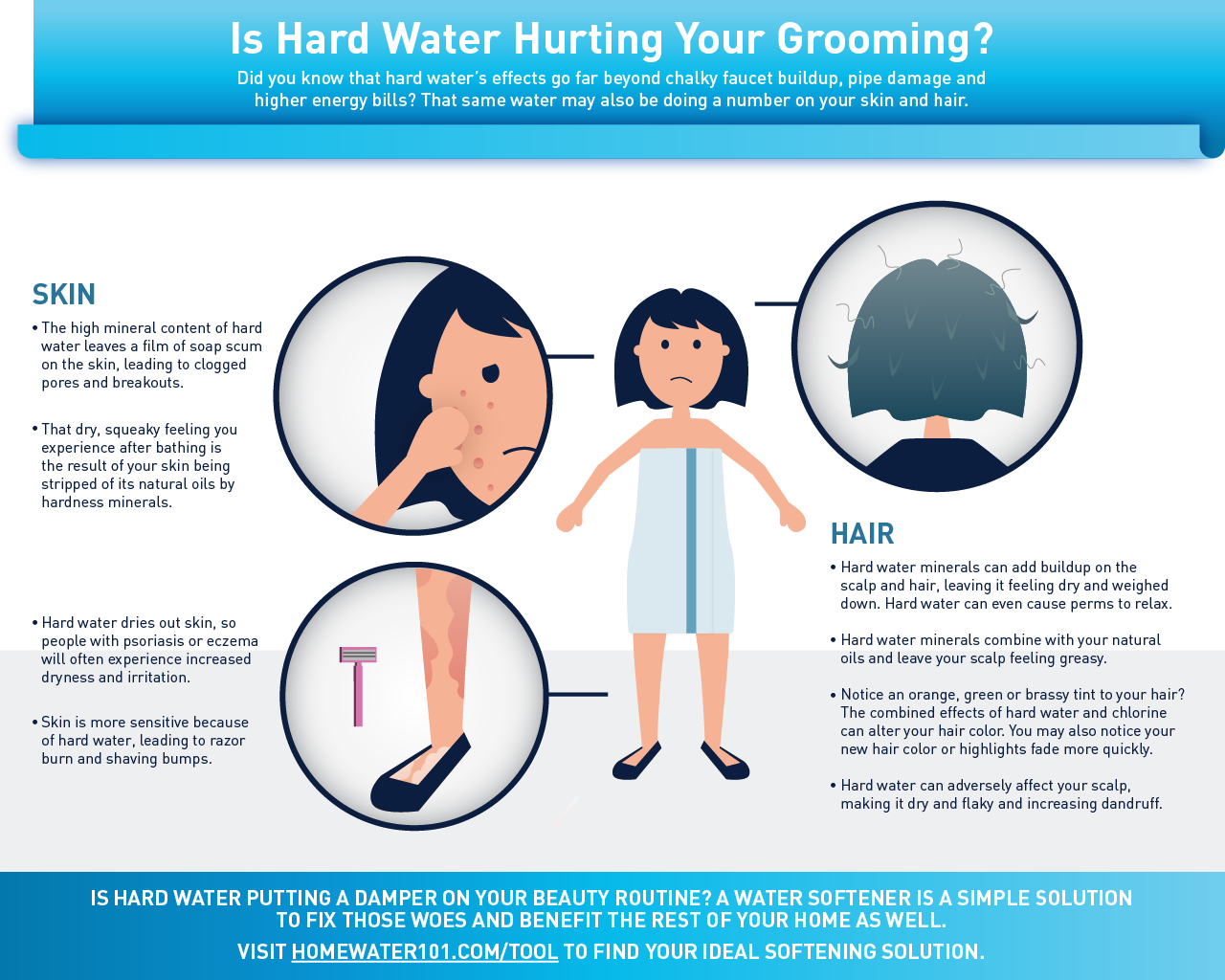 Hard Water's Effects on Hair and Skin | HomeWater 101
The Itch and the Breakout Paradox
Here’s the ironic twist: hard water can make your skin both dry and itchy while simultaneously causing acne. How? The mineral residue can clog your pores just as effectively as heavy makeup or oily hair products.
So you get these weird, tiny bumps that aren't quite pimples and aren't quite dry patches. They’re just there, mocking your expensive skincare routine. You end up using stronger acne treatments, which dry you out even more, which makes the itching worse. It’s a vicious, mineral-fueled cycle.
Another fun fact: hard water can actually make your soap less effective. You need to use more soap to get a lather, which means you’re over-washing your already-stressed skin. (Thanks, pH balance, for getting wrecked.)
The "Soap Scum" on Your Body
You know that soap scum you scrub off your shower doors? Guess what forms on your skin when soap meets calcium? Exactly that. A thin, invisible layer of soap scum. It’s not just unappealing; it’s actively irritating.
This scum can trap bacteria against your skin, leading to folliculitis—those annoying, red bumps that look like a shaving rash but aren't. It can also trigger or worsen conditions like keratosis pilaris (those chicken-skin bumps on your arms).
Ever wonder why your skin looks dull and a bit grey, no matter how much you exfoliate? Blame the mineral residue. It blocks your skin’s natural glow and makes it look tired even when you’ve had eight hours of sleep. (Another thing to blame besides your alarm clock.)
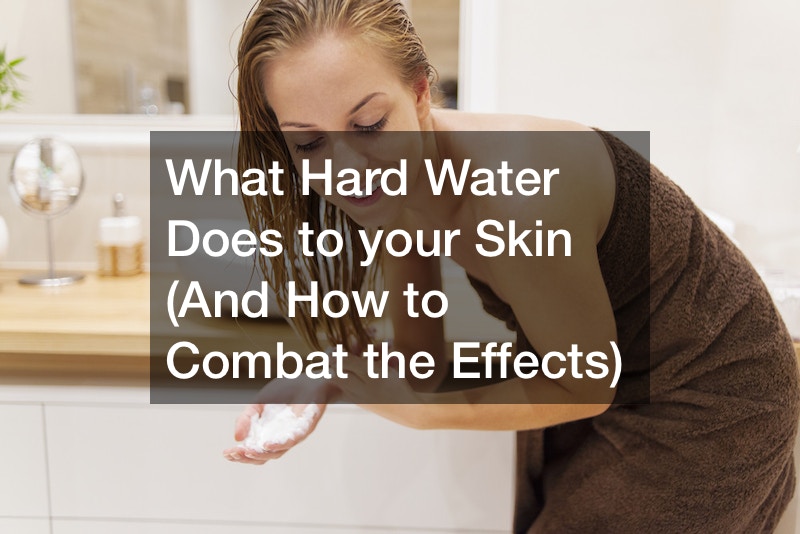 What Hard Water Does to your Skin (And How to Combat the Effects
What You Can Actually Do About It
Before you start budgeting for a full-house water softener (which is a legit amazing solution, by the way), try some cheap hacks. A showerhead filter is a game-changer. It screws right in and catches a lot of those minerals—you can usually grab one for under thirty bucks.
You can also change your washing routine. Try doing a final rinse with filtered or distilled water. Just fill a spray bottle and spritz your face after your shower. It sounds extra, but it stops that mineral residue in its tracks. Your moisturizer will finally be able to do its job.
Another trick: use a micellar water or a gentle, non-soap cleanser on a cotton pad after you get out of the shower. It removes that invisible layer of calcium. Your skin will instantly feel softer. I promise.
The Bottom Line (It’s Not You, It’s the Water)
If your skin has been acting up for no obvious reason, look at your tap. Don’t keep buying fancier creams or blaming your diet. Sometimes, the answer is literally running out of your faucet.
Hard water doesn’t make you dirty—but it does make your skincare routine about 70% less effective. It’s the silent partner in your bathroom, and it’s been sabotaging you behind your back. Time to fight back with a filter and a spray bottle.
Your skin will thank you. And you’ll finally stop wondering why that squishy feeling never seems to last. (Spoiler: It’s the minerals, babe.)
