Does Reverse Osmosis Soften Water

So, my friend Karen called me last week, absolutely furious. She’d just dropped a small fortune on a fancy new reverse osmosis system. “It’s supposed to make my coffee taste l...
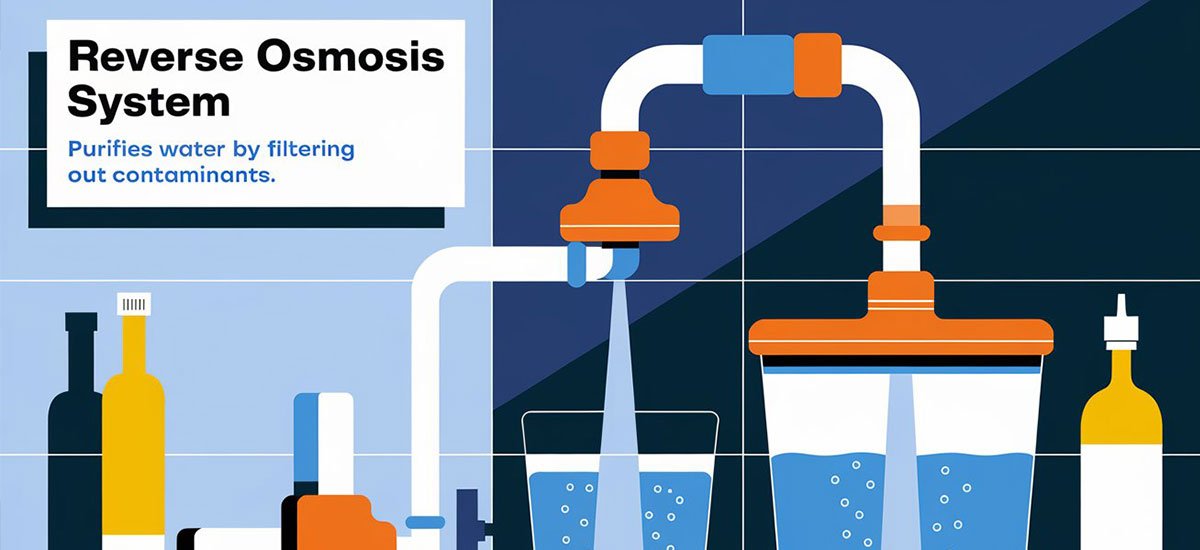
So, my friend Karen called me last week, absolutely furious. She’d just dropped a small fortune on a fancy new reverse osmosis system. “It’s supposed to make my coffee taste like heaven,” she seethed. “But my shower still leaves that weird scum on the glass door!” I could practically hear her steam through the phone.
Karen was confusing two very different things: purification and softening. It’s a mix-up that happens all the time, and honestly? The industry doesn’t make it easy for us regular folks. Let’s unravel this mystery together, shall we?
The Great Water Schmutz: Hard vs. Soft
First, a quick biology lesson (don’t worry, I’ll keep it painless). Hard water is basically liquid rock. It’s full of calcium and magnesium ions that your tap picked up traveling through limestone and chalk deposits underground.
Must Read
These ions are the villains behind crusty showerheads and that squeaky feeling on your skin. Real water softeners are chemical brawlers—they swap those calcium bullies for sodium (or potassium) ions. It’s a trade, not a removal.
Enter the Reverse Osmosis Hero (with a Flaw)
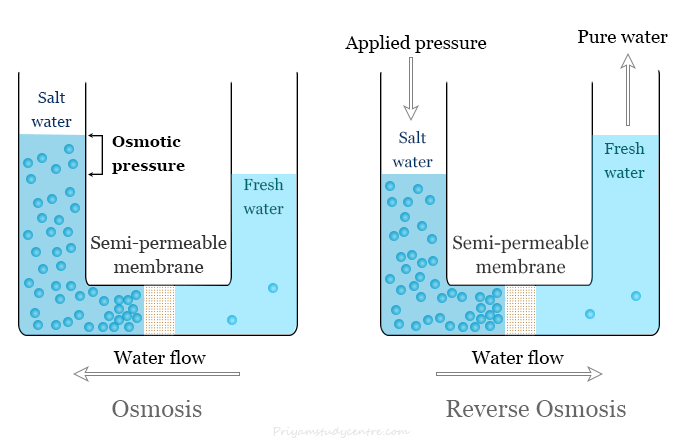
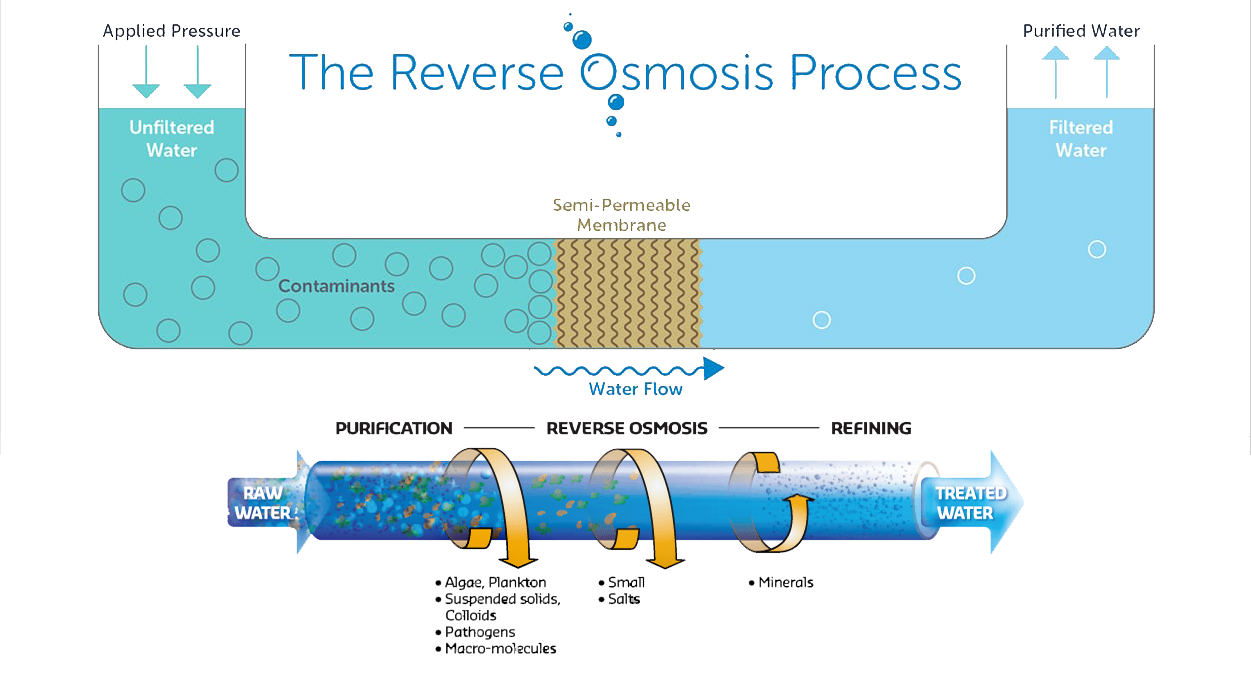
A reverse osmosis (RO) system is a different beast entirely. It’s a filtration ninja that pushes water through a semi-permeable membrane. Think of it as a microscopic bouncer who only lets the tiniest H₂O molecules through the velvet rope.
It rejects almost everything else: lead, chlorine, pesticides, and, yes, some of those calcium ions too. But here’s the kicker—and this is where Karen got burned—RO is not designed to specialize in hardness. Its main job is to strip out total dissolved solids (TDS), not just the two minerals that make water hard.
So, does reverse osmosis soften water? Technically, yes… but it’s a stupid, lazy version of softening. It’s like using a sledgehammer to kill a mosquito. It works, but it’s messy, slow, and wasteful.
 What Is Filtration Definition And Processes Water Filtration Process
The “Yes, But…” Trap (Why Karen is Still Mad)
An RO system might drop your water hardness from 12 grains per gallon to, say, 2 or 3 [grains]. That sounds great, right? Well, it does reduce the scale buildup in your pipes—eventually—but it often leaves enough calcium behind to still film up your glassware. And that perfect coffee she wanted? RO water is so “pure” it can actually taste flat because it’s stripped of all mineral character. (Irony alert!)
Also, remember that waste water factor. For every gallon of “purified” water an RO system produces, it typically dumps 3 to 4 gallons down the drain. Using that just to get slightly-less-hard water is like hiring a private jet to go buy a loaf of bread. You can, but why would you?
The Real MVP: The Softener + RO Power Couple
Here is the unpopular truth that water companies don’t advertise: If you have truly hard water, a standalone RO system is mildly helpful, but it’s the wrong tool for the job. A dedicated water softener (the kind with salt tanks) is the only thing that will give you that silky, bubble-bath, no-spot shower experience.
But wait—there’s a plot twist! The best setup for purity and softness is actually both together. You run your whole-house water through a salt-based softener first. That knocks out the hardness completely. Then, you feed that already-soft water into your RO system for drinking and cooking.
 What Is Reverse Osmosis And How Does It Work
Why this combo? Because soft water is much kinder to the RO membrane. It prevents scale buildup on the membrane, which means your expensive filter lasts longer and works more efficiently. It’s the ultimate water dream team.
So, Should You Buy an RO for Hard Water?
Unless you’re a coffee snob and a shower-scum hater, probably not. If your main complaint is calcium spots on your dishes, buy a real water softener. That’s its entire reason for existing.
If you just want clean, chemical-free drinking water without the salt, an RO is fantastic. It will remove fluoride, heavy metals, and microplastics. Just don’t expect it to magically erase the hard water stains from your faucet.
And poor Karen? She finally caved and installed a whole-house softener last week. Now her “purified” RO coffee actually tastes good, and her shower door is crystal clear. She sent me a photo of her reflection. I have never seen her look more smug—or more hydrated.
So, to answer the big question: Reverse osmosis softens water, yes. But it’s the wrong tool for the job if you want satin-soft baths. Choose your weapon wisely, my friends. Your calcium-crusted kettle is counting on you.
