What Does A Water Softener Remove

So, you’ve got hard water. You know the signs: soap that refuses to lather, dishes covered in a mysterious white film, and shower doors that look like a ghost tried to write a...

So, you’ve got hard water. You know the signs: soap that refuses to lather, dishes covered in a mysterious white film, and shower doors that look like a ghost tried to write a diary on them. It’s time to talk about the unsung hero of your basement: the water softener. But what does it actually remove? Let’s find out, with a side of sarcasm.
The Main Villain: Calcium and Magnesium
Your water softener’s primary job is to evict calcium and magnesium from your pipes. These are not your friendly neighborhood minerals—they’re the clingy exes that leave crusty deposits everywhere. Think of them as tiny, invisible rocks that throw a house party in your water heater.
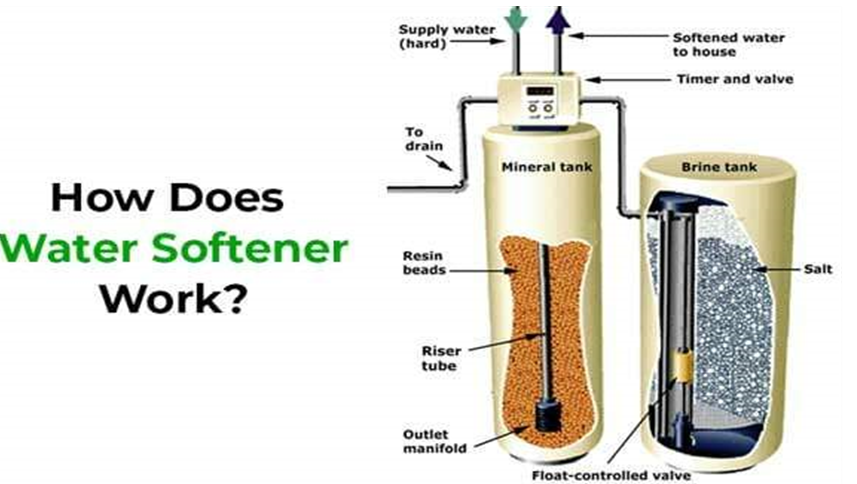
When calcium and magnesium hang around, they form scale. That’s the chalky buildup that ruins your coffee maker and makes your faucets look like a cave formation. A water softener swaps these hard minerals for sodium or potassium ions, leaving you with water that’s much nicer to your appliances.
Must Read
Fun fact: hard water can reduce the lifespan of your water heater by up to 50%. That’s like paying for a spa day for your pipes, but instead, they’re getting a mineral bath that chokes them to death.
What About Iron? The Rusty Troublemaker
If your water tastes like it was filtered through a 1970s Buick, you might have iron. Standard water softeners can remove small amounts of dissolved iron—up to about 2 or 3 parts per million. More than that, and you’ll need a special iron filter, because your softener isn’t a superhero.
Iron leaves rust stains on your sink that look suspiciously like crime scene evidence. It also gives your water a metallic tang that’s perfect if you enjoy licking a penny. Luckily, a softener can yank out that iron before it ruins your white laundry.
But here’s the catch: iron clinging to your resin beads is like gum on a theater seat—gross and stubborn. You’ll need a rust remover additive to keep your system happy, or you’ll end up with a brown goo that’s nobody’s friend.
The Not-So-Hidden Guest: Manganese
Manganese is the quiet cousin of calcium, but it’s way more dramatic. It turns your water black—yes, black. Imagine filling a glass of water and it looks like weak tea brewed from a witch’s cauldron. That’s manganese showing off.
A water softener can remove manganese, but only if it’s in the right chemical form. If it’s dissolved, the ion exchange process grabs it like a bouncer tossing out a rowdy teenager. But if it’s already oxidized (thanks to chlorine or air), it will form tiny black flakes that laugh at your softener.
 Water Hardness
Pro tip: if you see black specks in your toilet tank, your manganese is throwing a party. You might need a pre-filter to stop it from crashing your softener’s good time.
Does It Remove Sediment? (Spoiler: No)
Your water softener is not a mop. It does not remove sand, dirt, or mysterious flecks that look like shredded fish food. Those are called sediment, and they require a separate filter—usually a simple screens or cartridge system.
Think of your softener as a fancy chemist, not a janitor. If you feed it grit, it will gag and break down faster than your New Year’s resolutions. Always install a sediment filter before the softener to keep the internals clean.
Fun analogy: using a water softener on muddy water is like using a silk shirt to clean a spilled smoothie. It’s just not designed for that job.
The Big Lie: Bacteria and Viruses
Let’s clear this up right now: a water softener does not kill germs. It won’t remove bacteria, viruses, or parasites. If you’re drinking water from a questionable well, do not rely on your softener to save you—it’s not a microbial bouncer.
These systems work through ion exchange, which is all about swapping charges, not zapping pathogens. For that, you need UV light, chlorination, or a reverse osmosis system. Your softener is just the hair stylist, not the surgeon.
 Does A Water Softener Remove Chlorine (A Must Know Guide) - CharlieTrotters
In fact, bacteria can grow on the resin beads if your system isn’t sanitized occasionally. So, give it a periodic clean with a bleach solution, or you’ll have a science experiment in your basement that smells like a swamp.
What About “Good” Minerals?
Here’s the trade-off: a water softener also removes some beneficial minerals like magnesium and calcium in their natural form. Yes, the same ones that are good for your bones are now flushed into the drain to party with the sewer rats.
But don’t panic. You get plenty of minerals from food, not from your morning shower. The tiny amount you lose is not going to turn your skeleton into jelly. That said, if you’re on a low-sodium diet, use a potassium-based salt to avoid extra sodium in your drinking water.
Exaggeration alert: drinking softened water will not cause you to spontaneously combust or grow a third ear. It’s fine. Really.
The Final Verdict: What’s Left Behind?
After a water softener does its job, what’s left is water that’s smooth, silky, and free of crust. Your soap will lather like a disco ball, your hair won’t feel like hay, and your appliances will thank you with longer lives. The removed stuff—calcium, magnesium, modest iron, manganese—ends up in the brine tank and gets flushed away.
So, next time your wife yells about spots on the wine glasses, you can nod wisely and say, “That’s calcium, honey. My softener is on it.” Then you can pour her a glass of perfectly clear, soft water—while secretly knowing you don’t really know how it works. And that’s okay. The magic is in the science—and the punchline is no more ghostly shower doors.
Now go forth, and let your water be soft, your jokes be sharp, and your pipes be scale-free. You’re welcome.
