What Does A Stopcock Look Like Uk

Let’s be honest: most of us walk past plumbing fixtures like they’re invisible furniture. We only notice them when something goes wrong, usually with a panicked phone call to...
Let’s be honest: most of us walk past plumbing fixtures like they’re invisible furniture. We only notice them when something goes wrong, usually with a panicked phone call to a plumber. But there’s one little hero hiding under your sink or behind the washing machine that deserves a proper introduction: the stopcock.
So, what does a stopcock actually look like?
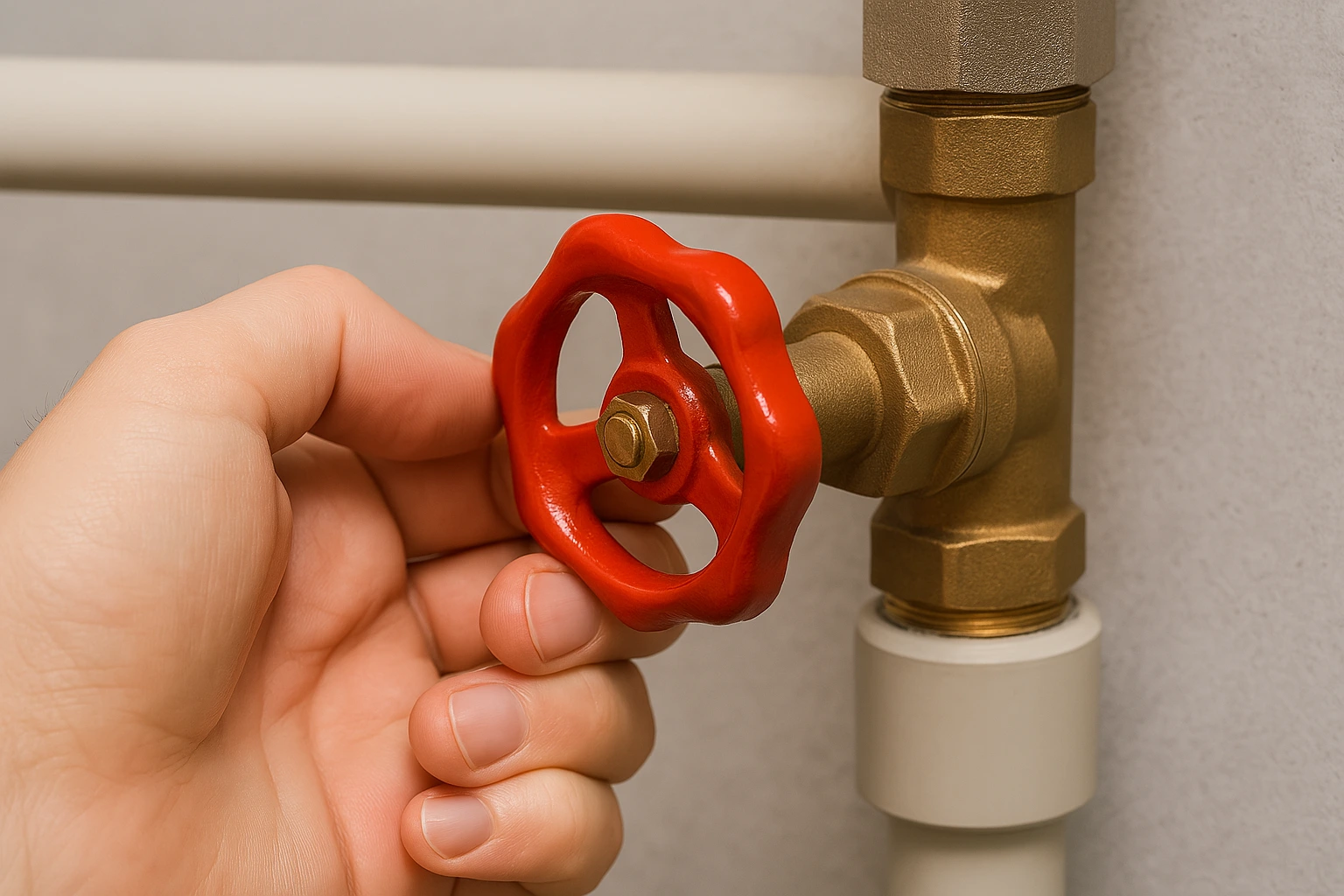
Picture a small metal tap, but without the fancy nozzle you use for washing your hands. It’s usually chunky, brass-coloured (sometimes shiny, sometimes dull), and about the size of a thumb. It has a simple handle that looks like a little wing or a flattened oval, reminiscent of a tiny metal butterfly.
Imagine the handle on a garden hose tap, but squatter and more secretive. That’s your stopcock. It often sits in an awkward spot, like the back corner of a kitchen cupboard under the sink, hiding behind bleach bottles and lost Tupperware lids.
Must Read
Where do you find this little gem?
In the UK, the main stopcock is usually under the kitchen sink or in a utility cupboard. But here’s a funny truth: it might also be in the downstairs toilet, a hallway cupboard, or even under the stairs next to the vacuum cleaner. It loves to play hide-and-seek.
If you live in a flat, your stopcock could be in a communal area, like a meter cupboard in the hallway. It’s worth having a gentle poke around now, while everything is calm. Knowing its face in an emergency is like knowing where the fire extinguisher is—you’ll thank yourself later.
The handle is the tell-tale sign
The handle is your biggest clue. It’s not a round wheel like an outdoor tap. It’s a lever—short, stubby, and designed to turn only a quarter of the way. When the handle is parallel to the pipe, the water flows freely. When it’s perpendicular (crosswise), the water stops. Think of it like a gate.
If the handle is a little cross-shaped or has a valve on top, don’t panic—that’s still a stopcock, just an older model. The golden rule: turn it clockwise to close, like tightening a jar lid. Righty-tighty, lefty-loosey became my personal mantra after a flood at 2am.
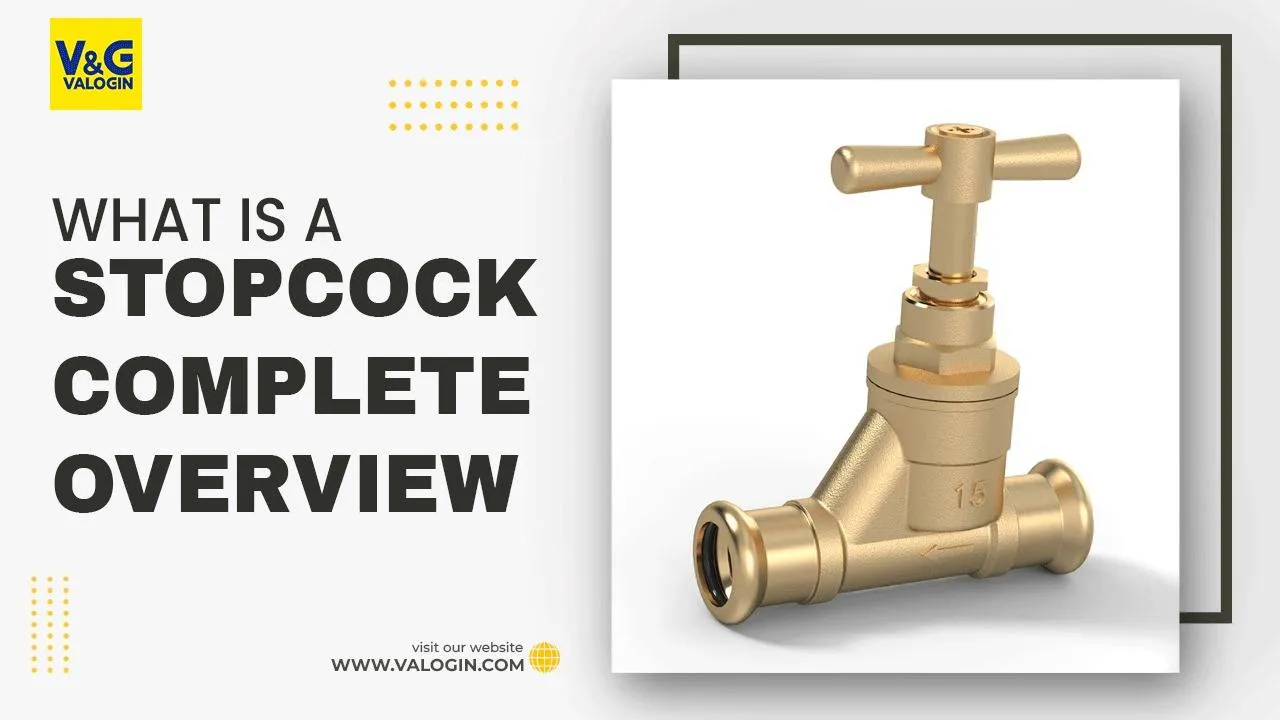 What is a Stopcock: A Comprehensive Overview - V&G Valogin
Why should you care? Let me tell you a little story
Last winter, my friend Sarah’s washing machine hose burst while she was watching a movie. Water started gushing onto her new laminate floor like a mini fountain. She ran around screaming “what do I do?” until her neighbour calmly walked over, opened the under-sink cupboard, and turned the stopcock. Disaster avoided.
Sarah’s face went from pale to relieved in two seconds flat. That’s the power of knowing your stopcock. It can turn a potential £3,000 water damage bill into a simple soggy towel situation. It’s your personal “stop button” for the entire house’s water supply.
The modern stopcock: a friendly upgrade
Some newer homes have a lever valve that looks like a little red or blue plastic handle. It’s even easier to use—just push it a quarter turn. These are becoming common in modern builds and are wonderfully straightforward. No more wrestling with a rusted brass knob.
If yours is the old brass kind and feels stiff, don’t force it. Give it a gentle wiggle once a year (called “exercising the valve”) so it stays loose. Trust me, the worst time to discover a stuck stopcock is when water is gushing from your ceiling.
 Pipe Identification Label In The Event Of Fire Do Not Use This Lift
Common confusion: the stopcock vs. the gate valve
You might hear someone say “gate valve” and think it’s the same thing. In the UK, a stopcock usually has a tapered plug inside, while a gate valve has a wheel that lifts a gate inside the pipe. But don’t get lost in plumbing jargon. If you see a wheel on your main water shut-off in a modern home, it’s likely still doing the same job.
The main point? If it’s the first tap on your pipe from the street, that’s your emergency shut-off. Give it a test run today, while you’re calm. Turn it to “off” (perpendicular), then run a kitchen tap to confirm the water has stopped. Then turn it back on.
A final smile: your stopcock is like a pet rock
It sits there quietly, doing nothing, asking for nothing. But when you need it most, it becomes your best friend. It doesn’t judge your messy cupboard or your collection of half-empty cleaning sprays. It just waits patiently, ready to save the day.
So next time you grab a sponge from under the sink, give your stopcock a friendly nod. You now know what it looks like, where it lives, and why it matters. And hey, you’re now the type of person who can handle a plumbing emergency with confidence and a smile. That’s a pretty cool skill for a Tuesday afternoon.
