How Does A Smart Water Meter Work

So, you’ve probably seen those sleek little boxes on your neighbor’s house and wondered, “What is that thing?” Or maybe your water bill arrived, and it looked like it was writ...

So, you’ve probably seen those sleek little boxes on your neighbor’s house and wondered, “What is that thing?” Or maybe your water bill arrived, and it looked like it was written in alien code. Well, my friend, you’ve stumbled into the world of smart water meters. Let’s pull up a chair, grab a cold drink, and unravel this mystery together.
What’s the Big Idea? (Spoiler: It’s Not Magic)
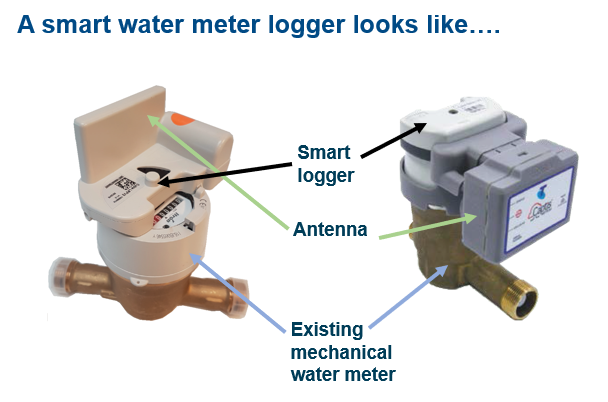
First off, forget everything you think you know about that grumpy, spinning dial in your basement. A smart water meter is basically a regular meter that got a brain upgrade. It’s the same core concept—measuring how much water flows into your home—but now it can talk.
Yes, talk. Not like a sassy parrot, but it sends data to your water company without a guy in muddy boots ever needing to step foot on your lawn. No more estimated bills that make you panic about a phantom leak. Excellent, right?
Must Read
The Heart of the Beast: How It Measures
Inside that little box, the heart of the operation is usually a magnetic turbine or an ultrasonic sensor. Think of it like a tiny water wheel that spins every time you flush a toilet or run the dishwasher. The meter counts every single spin.
Now, here’s the clever part: instead of you squinting at a mechanical dial, the meter uses solid-state electronics to convert those spins into digital data. It’s like trading your old flip phone for a smartphone—way more info, way less frustration.
And guess what? These things are incredibly precise. They can measure a trickle as small as one drip per minute. So, if you have a leaky faucet that’s secretly draining your wallet, this meter will rat you out (and save you money).
From Your House to Their Office: The Magic of Transmission
Okay, so the meter has the data. But how does it leave your yard without a wire? It uses radio frequency (RF), just like your Wi-Fi or a baby monitor. A tiny transmitter inside the meter sends a burst of information through the air every hour (or even every 15 minutes).
That signal travels to a neighborhood gateway, which is often a box perched on a telephone pole or a water tower. From there, it bounces to a secure server at your water company. Whoosh. Done.
 Smart Meter Network
No climbing under your house. No dusty reading slips. It’s basically the internet of things for your plumbing. I’m not saying it’s magic, but I’m also not not saying it’s magic.
What About the Power? (It Runs on… Water?)
You might be thinking, “Great, another gadget that drains batteries.” But these meters are energy misers. Most use a small, long-life lithium battery that can last 15 to 20 years. That’s longer than your toaster’s entire lifespan.
Some fancy new models even harvest energy from the water flow itself. Imagine that—the water you use helps the meter report how much water you used. It’s a beautiful, circular joke. Natural, free, and completely reliable.
The Real Game-Changer: You Get to See It All
Here’s where it gets fun for you. Because the water company gets real-time data, they usually give you access to it, too. You can log into a little app on your phone and see your water usage by the hour. Yes, really.
Think about the possibilities. You can see exactly how much water you waste while taking a 20-minute shower. You can catch a leak before your basement turns into a swimming pool. You can even set alerts that ping you if your usage spikes abnormally (like if a pipe bursts while you’re on vacation).
 Smart Water Meters
Suddenly, you’re not just a consumer; you’re a water detective. “Aha! That’s why our bill was so high—the kids left the hose on!” It’s empowering, in a slightly ridiculous way.
Are There Any Downsides? (Let’s Be Real)
Okay, I can hear the skeptic in you. “Does this mean big brother is tracking my toilet flushes?” Well… sort of. It knows how much water you use, not that you just finished a bag of chips. The data is usually encrypted, but yes, it’s a tracking system. Privacy is a trade-off for convenience.
Also, these meters aren’t perfect in every situation. They can be expensive for utilities to install initially. And if the RF signal gets blocked by a big metal roof or a hill, the data can get lost. But most systems have redundant pathways to ensure the message gets through.
So, Should You Care? Absolutely.
Here’s the honest take: a smart water meter is like having a fitness tracker for your home. It makes the invisible visible. You start noticing patterns, and you start fixing dumb habits.
That $200 water bill you used to dread? Now you see it shrinking because you caught the drip in the guest bathroom. It’s not just about money, though. It’s about feeling like a responsible adult who isn’t accidentally throwing water into the ground.
The tech is quietly, humorously brilliant. It turns your water pipe into a conversation partner. And honestly, in a world of mysterious bills and utility guesswork, that’s a lovely thing. So next time you see that little white box outside, give it a nod. It’s working harder than you think—and it’s probably saving you a few bucks while you sip your coffee.
