How Does A Water Conditioner Work

Let’s face it: water is a drama queen. It falls from the sky in pure form, but the moment it hits the ground, it starts collecting rock gossip, mineral rumors, and calcium sca...
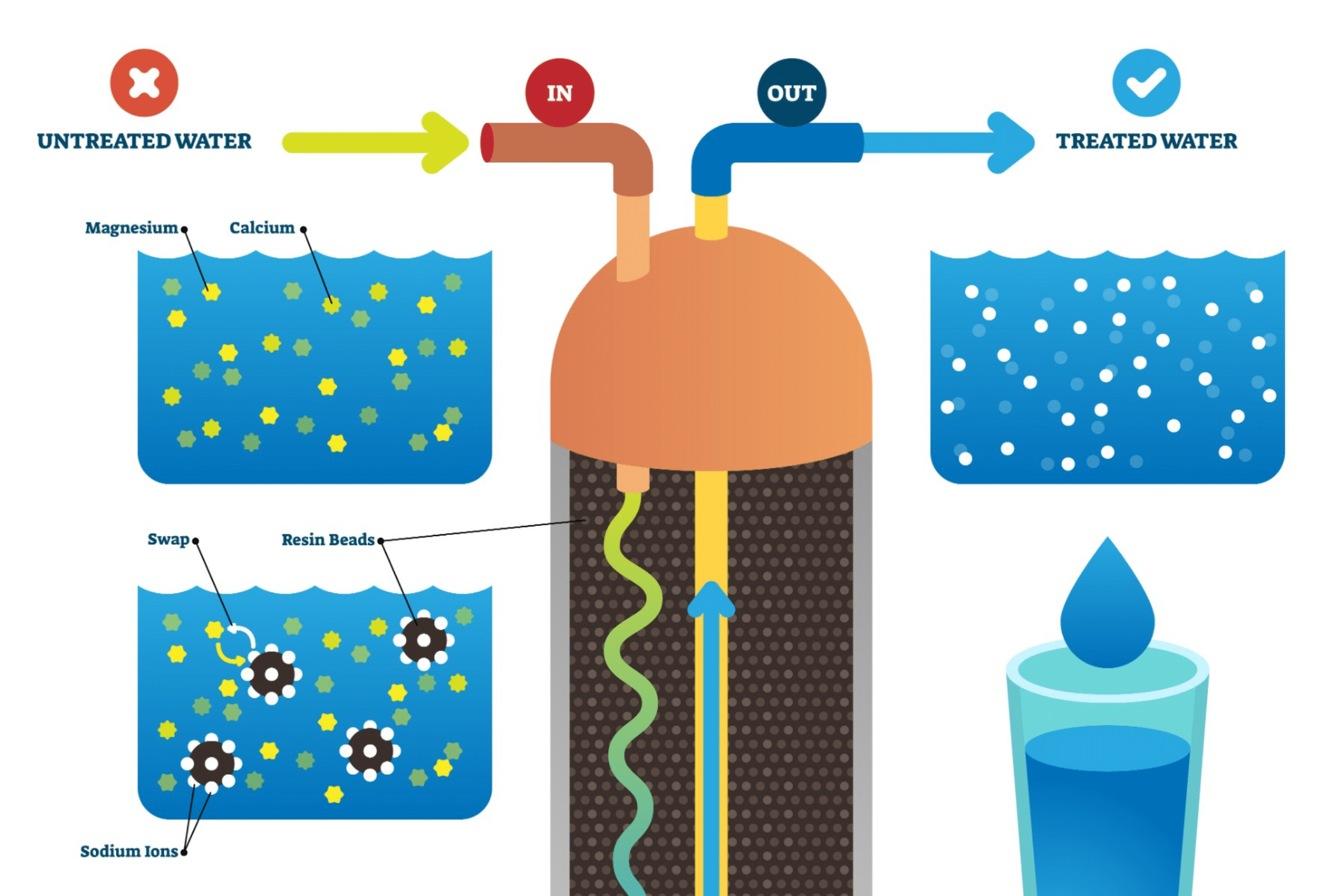
Let’s face it: water is a drama queen. It falls from the sky in pure form, but the moment it hits the ground, it starts collecting rock gossip, mineral rumors, and calcium scandal. This is the story of how we, with a gadget called a water conditioner, convince water to chill out and behave.
First, a confession: a water conditioner is not a water softener. If a softener is a bouncer who kicks hardness minerals out of the nightclub, a conditioner is the smooth-talking diplomat. It doesn’t remove the calcium or magnesium; it convinces them to stop clinging to your pipes like a lovesick teenager.
So, how does this wizardry actually work?
Imagine your water is a party full of hard-mineral crystals. These crystals are like Lego blocks, and they love to build limescale castles inside your pipes, showerheads, and kettle. A water conditioner zaps them with a specific frequency or magnetic field—think of it as a tiny, high-pitched shout that says, “Stop stacking!”
Must Read
This process is called Template-Assisted Crystallization (TAC) or, in more dramatic circles, “the nucleation trick.” The conditioner introduces microscopic polymer beads that act like bouncers. These beads force the calcium molecules to form tiny, harmless crystals that float through your water instead of sticking to your plumbing. It’s like teaching a flock of sheep to roller-skate past a fence instead of crashing into it.
You might ask: “Doesn’t that make my water look cloudy?” Nope! These crystals are so microscopic (about 0.1 to 0.5 microns) that you’d need a superpowered microscope to see them. Your water stays crystal clear, but it’s now a reformed citizen.
Why not just use a salt-based softener?
Ah, salt is the old-school bouncer. It swaps calcium for sodium, leaving you with salty water that tastes like a bad potato chip. Plus, the brine discharge can kill your grass and irritate the local fish. A water conditioner uses zero chemicals, zero electricity, and zero guilt. It’s the lazy person’s upgrade—just install it and forget it.
But here’s the kicker: conditioners don’t work for everyone. If your water is a rock star with a hardness of 20+ grains per gallon (that’s Molten Lava-level hard), a conditioner might shrug and say, “I tried, Mom.” For most homes, though, it’s a perfect party trick.
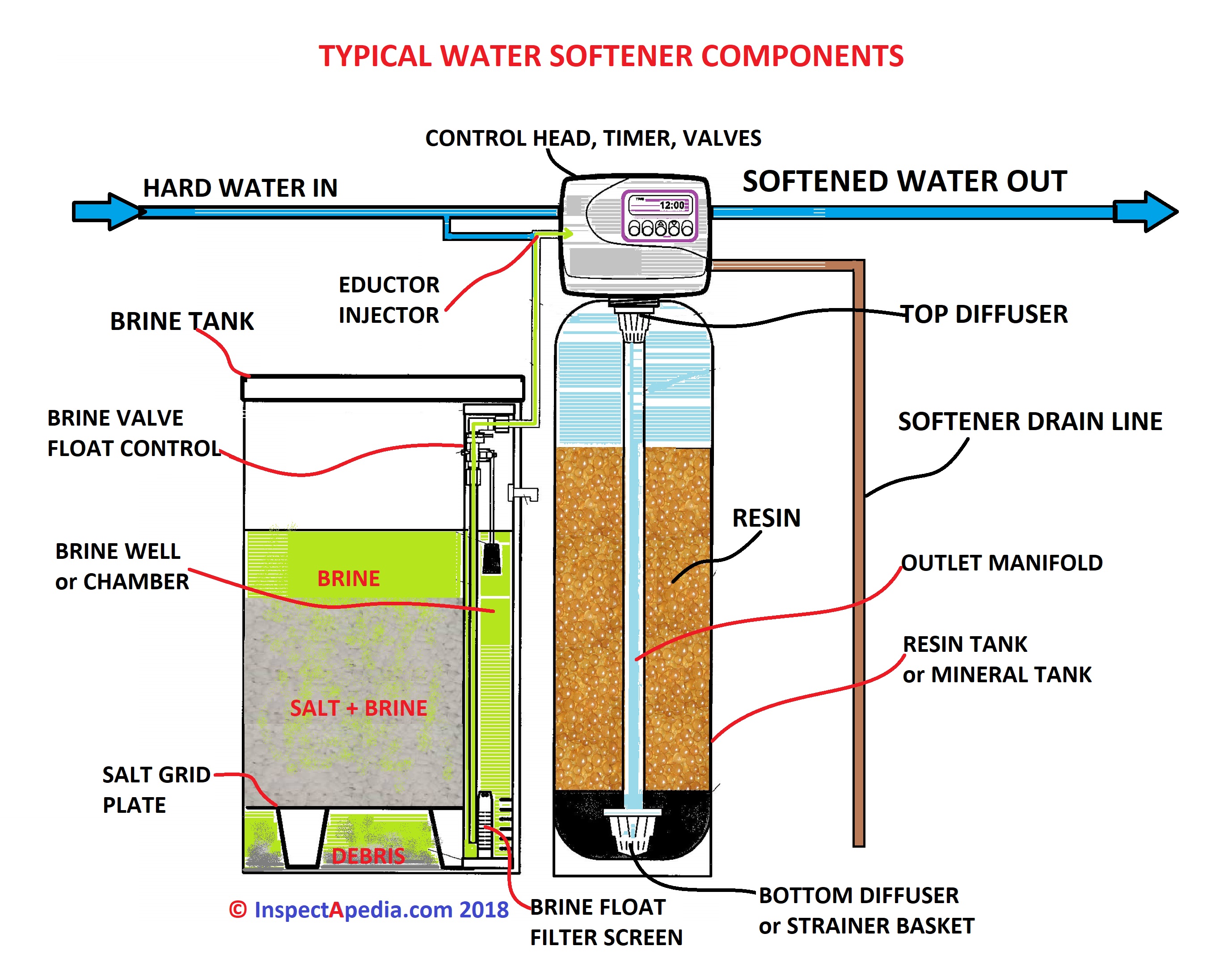 Water Softener Salt Substitute Potassium chloride (KCL) to reduce salt
The Surprising Bonus: You’ll Save Money on Soap
Hard water and soap are like frenemies. They fight, and you get soap scum as collateral damage. Conditioned water lets soap lather like a Broadway show. You’ll use 30% less detergent and your skin won’t feel like sandpaper. I once washed my hair with conditioned water and my towel didn’t squeak—it softly whispered, “Nice hair, pal.”
Also, your appliances will stop plotting against you. A water heater with scale buildup uses 20% more energy—that’s like running a treadmill to nowhere. Conditioned pipes mean no scale, lower bills, and fewer angry visits from your plumber.
But does it actually prevent limescale?
Here’s the science truth: yes, but it doesn’t remove existing scale. If your pipes are already a limescale museum, you’ll need a cleaning solution or a new pipe. Once the scale is gone, the conditioner keeps it from returning. Think of it as a force field for your plumbing.
One zit-faced myth is that conditioners “soften” water by removing minerals. They don’t. They just change the mineral’s personality. Hard water still feels a bit “slick” to some people—but that’s the lack of soap scum sliding off your skin. You’ll get used to it. I promise.
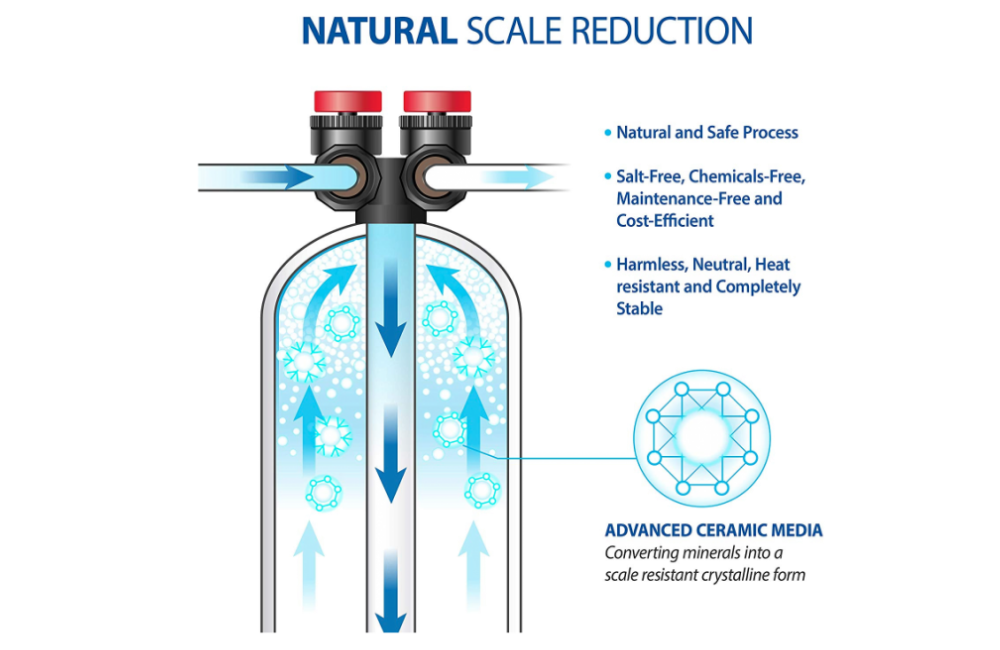 How Do Water Conditioners Work – VJNT
Can you drink the water?
Absolutely! In fact, it’s healthier. Conditioned water keeps the calcium and magnesium—your bones love them—just in a non-sticky form. It’s like the difference between a clingy ex and a friend who respects your personal space. Drink up.
One guy on the internet swore his conditioned water made his coffee taste “rounder” and more “philosophical.” I’m not sure about that, but I can confirm it won’t kill your espresso machine.
The Final Verdict
A water conditioner is the gently persuasive parent of the water world. It doesn’t fight the minerals; it re-educates them. For about $300-$800 (installed), you get a device that works silently for 10+ years with zero maintenance. No cartridges, no salt bags, no midnight phone calls to a service hotline.
So, the next time you wash a glass and it dries spot-free, give a small nod to that little box on your main pipe. It’s out there, making your water behave like a well-trained labrador instead of a feral raccoon. And that, my friend, is the closest thing to plumbing magic we’ll ever get.
Now go drink a glass of conditioned water. Your future pipes will thank you—with a quiet, unsqueaky bow.
