What Is Resin In A Water Softener

You know that squeaky-clean feeling after a shower in a hotel? The way your soap lathers like a dream, and your hair feels silky, not straw-like? Chances are, you’ve just expe...

You know that squeaky-clean feeling after a shower in a hotel? The way your soap lathers like a dream, and your hair feels silky, not straw-like? Chances are, you’ve just experienced the quiet magic of resin in a water softener.
Let’s be real: hard water is the uninvited guest at every house party. It leaves chalky scale on your faucets, makes your dishes spotty, and dries your skin out like a desert. The unsung hero fighting this? Tiny, bead-like substances called ion-exchange resin.
Think of resin beads as microscopic bouncers for your water supply. They’re packed inside the softener tank, looking a bit like caviar or tapioca pearls, but with a serious job to do. Their mission: kick out the minerals that wreck your home.
Must Read
The Chemistry, Made Chill
Without getting too lab-coat about it, hard water is rich in calcium and magnesium ions. These guys love clinging to your pipes and skin. Resin beads, however, are coated in sodium ions, and sodium prefers to swap places.
As water flows past the resin, it performs a chemical trade: calcium and magnesium hop onto the beads, while sodium jumps into the water. The result? Soft, silky water that feels like a spa treatment. It’s not magic—it’s just polite, molecular bargaining.
This process is called ion exchange, and it’s the backbone of every modern water softener. It’s also why softened water can be slightly salty (though not enough to taste in your morning coffee).
Fun Fact: Resin Beads Are Reusable
Here’s the cool part: those hardworking resin beads don’t get tired. After a few days, they become saturated with calcium and magnesium, and need a power nap. This nap is called regeneration, and it’s basically a saltwater bath for the beads.
Your softener flushes a brine solution (salt water) through the tank, which forces the trapped minerals off the beads. The beads reload with fresh sodium, and the dirty brine gets flushed down the drain. Boom—they’re ready to party again.
A single resin bed can last 10 to 15 years with proper care. That’s like owning the same pair of sneakers for a decade, but way more hygienic.
Why Should You Care?
If you’re still on the fence, consider this: soft water can extend the life of your appliances by up to 30%. Your washing machine, dishwasher, and water heater will thank you with fewer breakdowns. It’s also a skincare hack that derms don’t talk about enough.
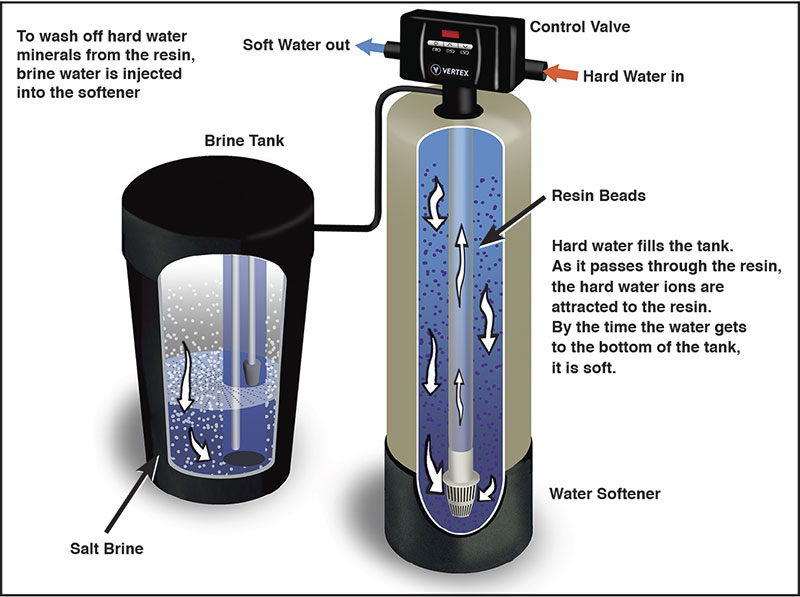 Water Softener Resin Tank How To Clean A Water Softener Brine Tank
Resin-treated water leaves your skin less stripped and your hair shinier. You’ll notice you use less shampoo and soap because it lathers faster. It’s the ultimate lazy-girl beauty routine—just let your water do the work.
And for the coffee snobs? Soft water makes a better brew. Hard water can make your espresso taste bitter or flat, while soft water lets the bean’s true flavor shine. Your morning latte just got a promotion.
Cultural Reference: The “Zero Water” Aesthetic
Remember that TikTok trend where people pour water into a glass and it looks totally clear, but then they test it and it’s full of minerals? Resin softeners are the answer to that awkward reveal. It’s like having a Borg cube of filtration in your basement—efficient, futuristic, and quietly powerful.
In Scandinavian design, simplicity and efficiency rule. A water softener with resin fits that vibe: it’s invisible, functional, and makes everything around it better. No clutter, just results.
Even the science-fiction writer Arthur C. Clarke would appreciate this. He famously said, “Any sufficiently advanced technology is indistinguishable from magic.” Resin beads? Pretty close to magic.
Practical Tips for Resin Care
First, use the right salt. Avoid rock salt or solar salt with high impurities; opt for evaporated pellet salt. It keeps your resin clean and prevents sludge buildup in the brine tank.
Second, check your resin every couple of years. If you notice your water feels harder again, or if the softener is running salt cycles more often, the beads might be fouled or worn. A simple resin cleaner can revive them.
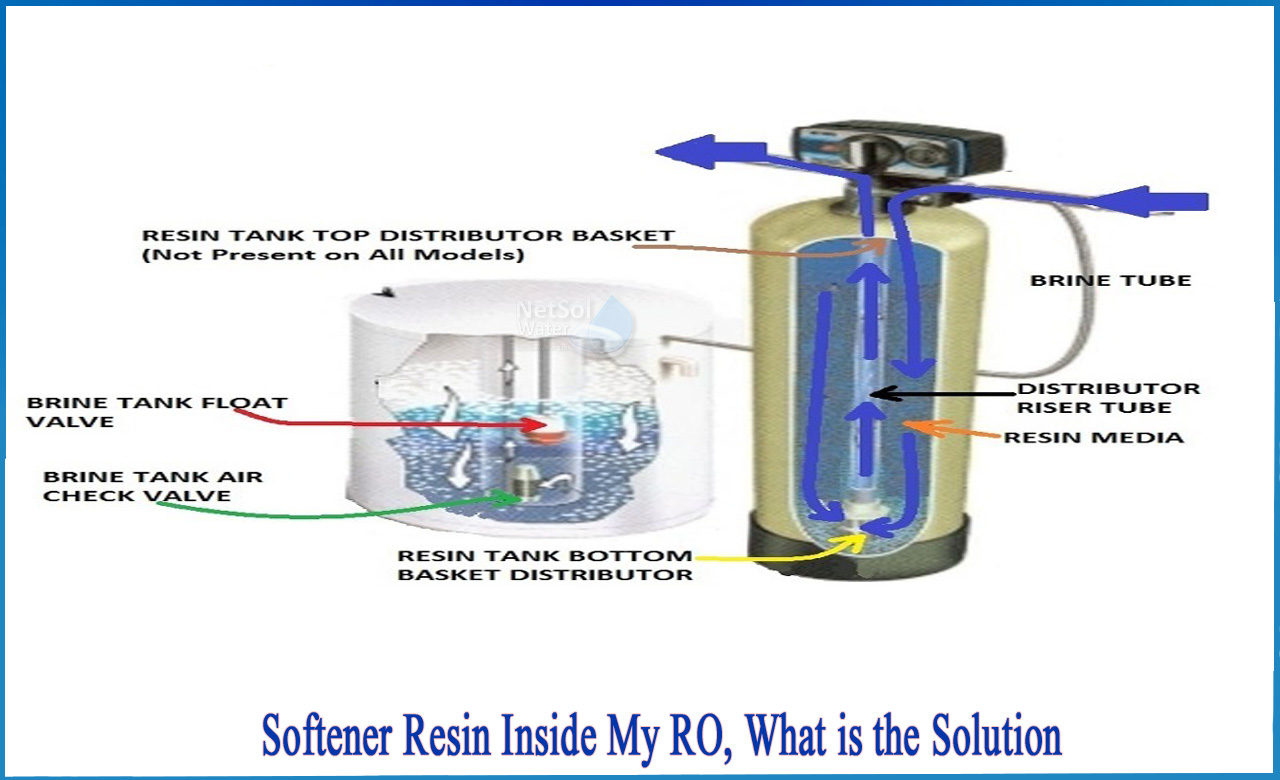 Water Softener Resin Tank
Third, don’t let the brine tank go dry. Salt keeps the regeneration process alive. Think of it like feeding a plant—skip a few weeks, and your resin goes dormant.
Fun Fact: Resin Can Be “Fouled” by Chlorine
If your city water has high chlorine (hello, municipal treatment), it can degrade the resin over time. Some softeners come with a carbon pre-filter specifically to protect the beads. It’s sunscreen for your resin.
Iron is another enemy. A rusty water supply can coat the beads and reduce their efficiency. If your water has visible rust, add a resin cleaner or install an iron filter before the softener.
On the flip side, resin is remarkably tough. It can handle high flow rates, temperature swings, and even accidental backflow. It’s the Chuck Norris of home water systems.
The Daily Life Connection
So what does all this mean for your Saturday morning? It means your shower gel glides, your dishes sparkle, and your tea kettle stays scale-free. It means one less thing to stress about in a busy world.
Resin works silently, like a good friend who tidies your house while you’re out. You only notice it when it’s gone—and that’s the highest compliment for any technology. Ease is a luxury we all deserve.
Next time you run your hand over a perfectly clean glass or enjoy a full, luscious lather, take a moment to thank the tiny beads. They’re doing the heavy lifting so you can live a little lighter.
