What Is The Purpose Of An Air Gap

So, picture this. It’s a scorching Saturday afternoon, and I’m standing in my bathroom, staring at the sink like it owes me money. Suddenly, the faucet starts sputtering, then...
So, picture this. It’s a scorching Saturday afternoon, and I’m standing in my bathroom, staring at the sink like it owes me money. Suddenly, the faucet starts sputtering, then—gurgle—that murky, soapy water from the drain starts climbing up into my clean tap.
I nearly screamed. And that, my friend, is exactly why we need an air gap. An air gap is your plumbing’s bodyguard, a tiny, invisible hero that stops dirty water from crashing your clean party.
The Flush That Changed My View
That gross moment made me realize my sink had no protection. It was like leaving your front door wide open with a sign that says, “Please, backwash right in here.”
Must Read
I called my plumber, who laughed and said, “You’ve got cross-connection problems, buddy.” He explained that without a gap, pressure changes can literally suck waste backwards—a nightmare called backflow.
Suddenly, the phrase “air gap” became my new favorite word. It’s not just plumbing nerd jargon; it’s a life saver.
So, What Is This Magic Gap?
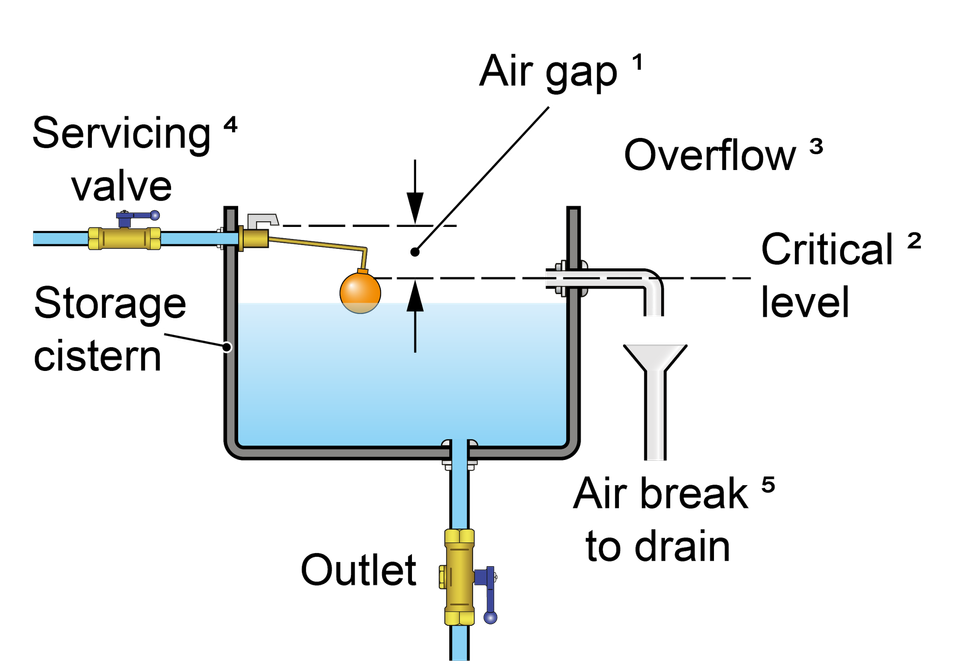
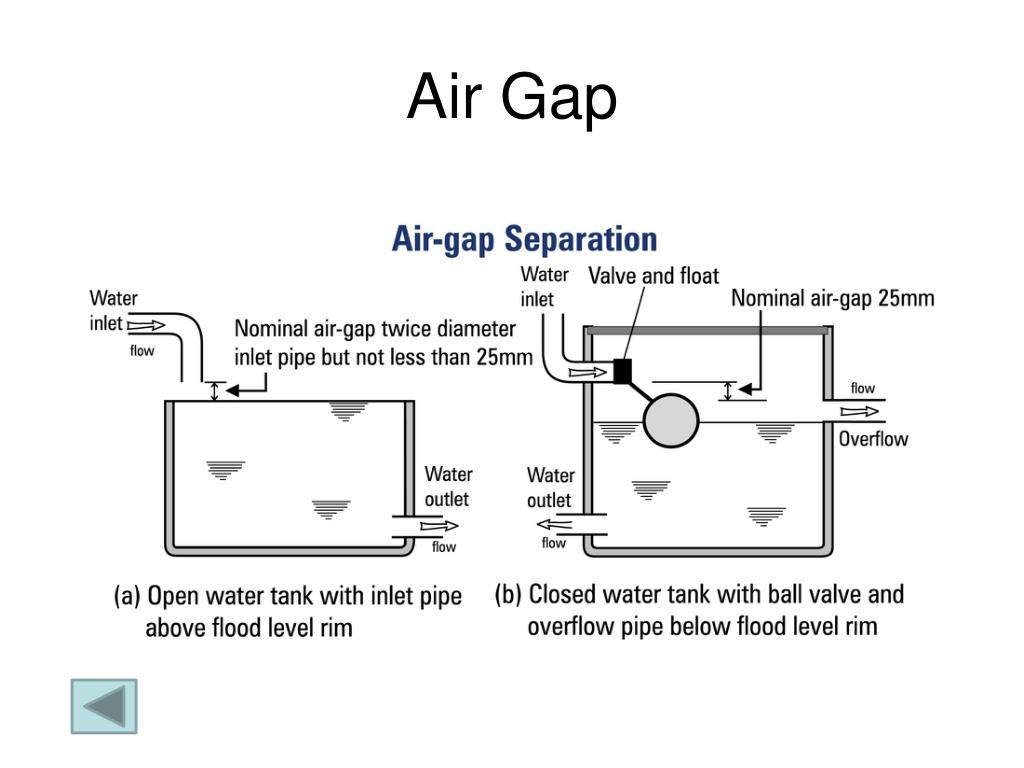
In plain English, an air gap is a physical, open space between a water outlet (like your faucet) and the “flood rim” of a sink or container. It’s literally just air doing the dirty work.
Imagine you’re filling a bucket. You don’t shove the hose into the water, right? You leave a little space. That tiny gap is an air gap. Simple, right?
But in plumbing code, it’s a serious rule. That gap prevents contaminated water from ever touching your fresh supply. No contact means no contamination.
Why Air is the Ultimate Filter
Think about it: water flow can reverse for a dozen mundane reasons—a burst main, a fire truck sucking from a hydrant, or even a kid flushing while the sink is running.
If your faucet is submerged in soapy water, that backflow turns your tap into a straw. The air gap breaks that straw by forcing the water to drop through empty space before hitting the drain.
 PPT - The Health (Drinking Water ) Amendment Act 2007 PowerPoint
It’s like having a bouncer who says, “Sorry, dirty water, you’re not on the list.” And air never picks sides.
Your Dishwasher’s Secret Trick
You probably have an air gap right now in your kitchen and don’t even know it. Look for that little chrome cylinder on your countertop near the sink—the one with a small vent. That’s your dishwasher’s air gap.
When your dishwasher drains, it pushes waste water through a hose. But if your sink gets clogged, that water can back up into the dishwasher. Gross, right? The air gap forces the water to flow through a vertical loop, creating a pocket of air that prevents siphoning.
Without it, your “clean” dishes could be getting a rinse with leftover spaghetti water. You’re welcome for that mental image.
Where Else Does It Show Up?
Beyond sinks and dishwashers, air gaps are everywhere. Your toilet? That’s a big one—the water in the tank is physically separated from the bowl by a gap. Thank goodness.
Industrial systems use them for chemical mixing. Outdoor faucets, called hose bibbs, have them to stop garden hose water from re-entering your home. Everywhere, air is keeping your water clean.
Even your coffee maker uses a subtle air gap principle. It lets steam escape without creating a vacuum that would suck grounds back. Science for your morning brew.
The “Aha!” Moment
Here’s the kicker: most people think “more barriers” is better. But water pressure can overcome rubber seals and check valves. Air is the one thing it can’t push through.
 Dishwasher Air Gap - Inspection Gallery - InterNACHI®
Check valves are great, but they’re mechanical—they can jam or fail. An air gap is a physical impossibility for backflow. It’s like comparing a lock to a brick wall.
So when your plumber insists on that ugly little chrome cap, don’t roll your eyes. Give it a little salute. It’s the silent guardian of your drinking water.
What if You Don’t Have One?
This is the scary part. Many older homes have no air gap on their dishwasher—they rely only on a check valve inside the appliance. You’re one clogged sink away from a biology lesson.
Check your local code; many areas now require visible air gaps for new installations. If yours is missing, a simple retrofit kit costs less than your next pizza night. Worth it.
Just don’t mistake a “high loop” (a looped drain hose) for a real air gap. It’s better than nothing, but not foolproof. Air wins again.
The Bottom Line (No Pun)
An air gap exists for one purpose: to protect you from your own plumbing. It’s a cheap, elegantly stupid solution that never fails because it has no moving parts. It’s just a breath of fresh air.
So next time you’re brushing your teeth and see water fall through empty space, smile. That invisible gap is your best friend. And please, never dip your toothbrush in the sink water.
Your mouth will thank you. And so will your plumber.
