How To Get Rid Of Mineral Buildup

So, you’ve noticed that weird white crust on your faucet. Or maybe your coffee maker is sputtering like it has asthma. Yeah, that’s mineral buildup. It’s basically the ghost o...
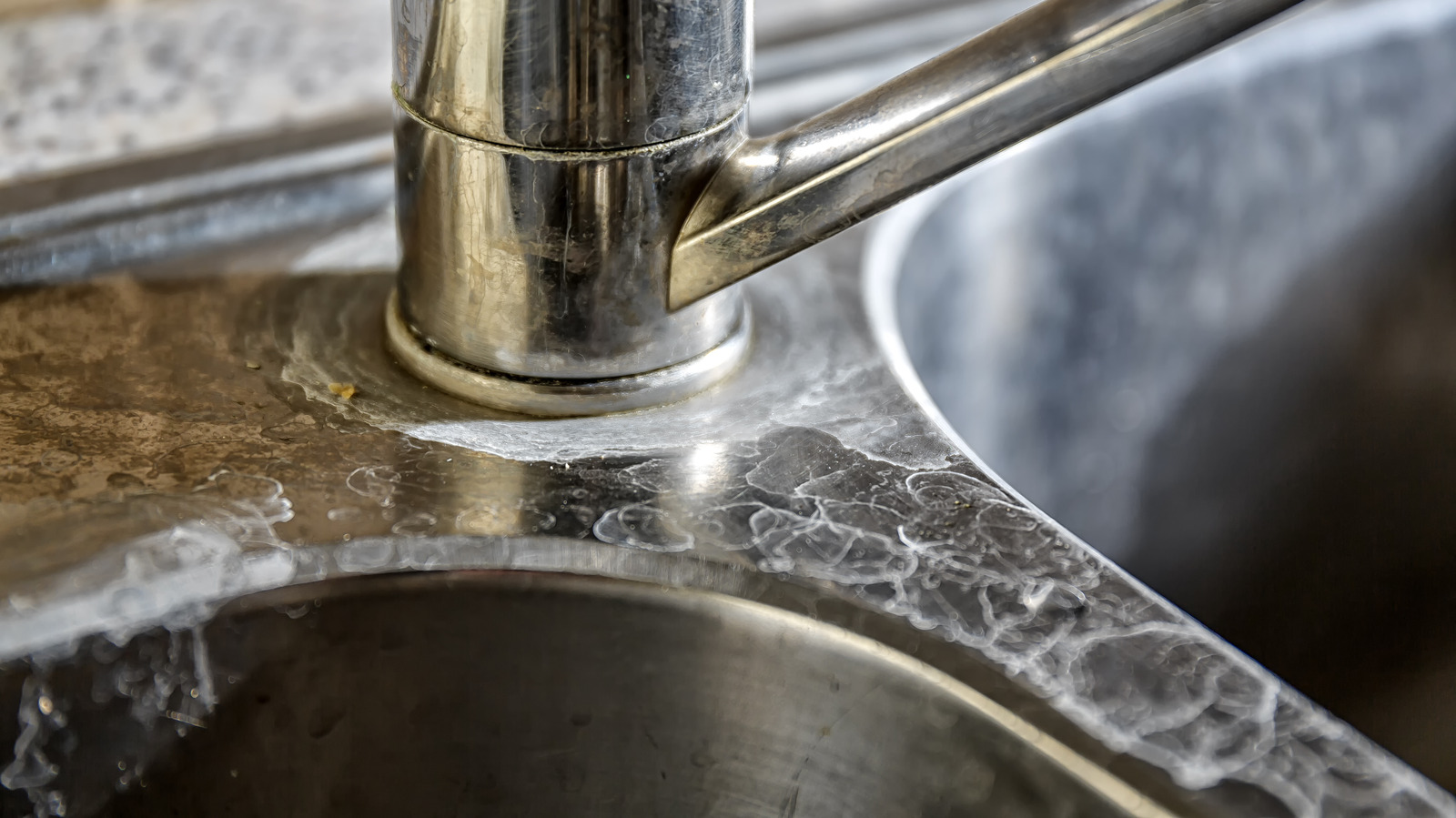
So, you’ve noticed that weird white crust on your faucet. Or maybe your coffee maker is sputtering like it has asthma. Yeah, that’s mineral buildup. It’s basically the ghost of hard water past, haunting your appliances and your bathtub.
It looks gross, feels rough, and makes everything work harder. But don't worry—we can evict these little mineral squatters without hiring an expensive plumber. Grab your coffee (from a clean pot, of course), and let’s chat.
First, let’s figure out who the culprit is.
Mineral buildup, or limescale, is mostly calcium and magnesium. They sneak in through your water supply and leave deposits everywhere. Think of it as the worst kind of snow—it never melts, and it’s glued to everything.
Must Read
You’ll see it on faucets, showerheads, glass doors, and inside your kettle. It can even clog your dishwasher. Don’t panic. We’ve got a secret weapon: acid.
No, not the scary kind from science class. I’m talking about white vinegar. It’s cheap, it’s safe, and it smells like a salad dressing crime scene, but it works miracles.
The vinegar soak: your new best friend.
For small items like showerheads or faucet aerators, unscrew them. Seriously, just twist them off. Then drop them in a bowl of undiluted white vinegar. Let them soak for at least 30 minutes, or overnight if they’re stubborn.
You’ll see bubbles forming. That’s the vinegar literally eating the minerals. It’s gross, but also kind of satisfying? Rinse with water, scrub with an old toothbrush, and screw them back on.
Your water pressure will thank you. Your hair will thank you. Your morning shower will feel like a spa again. You’re welcome.
What about big surfaces, like tiles or glass?
For a glass shower door that looks like a foggy window, reach for vinegar again. Mix equal parts water and vinegar in a spray bottle. Spritz it on, let it sit for 10 minutes, then scrub with a non-abrasive sponge.
If the buildup is thick, make a paste of baking soda and vinegar. Yes, it fizzes like a volcano project in third grade. That fizzing action helps lift the grit. Rinse well, and dry with a microfiber cloth.
 Clean Hard
You want a pro tip? Use a squeegee after every shower. It takes ten seconds, but it prevents that stubborn white haze from forming. Future you will be so grateful.
The coffee maker and kettle: don’t you dare ignore them.
Your coffee maker has secret crud lurking inside its tubes. Fill the reservoir with equal parts water and vinegar. Run a brewing cycle, without coffee—just the vinegar water.
Then let it sit for 15 minutes. Run two more cycles with plain water to rinse. Your next cup of coffee will taste clean, not like a dusty old coin. And your kettle? Same deal: boil vinegar and water, let it sit, then boil plain water twice.
Trust me, your taste buds deserve this. Also, your kitchen gadgets will last years longer. Mineral buildup is basically silt in the engine of your appliances.
What about toilets and sinks?
Toilet bowls get that rusty ring? Pour a cup of white vinegar into the bowl, let it sit for an hour, then scrub with a pumice stone. The pumice is like a gentle eraser—it scrubs off the scale without scratching the porcelain.
For sink stains, soak a paper towel in vinegar and plaster it over the stain. Leave it for 30 minutes. Peel it off and wipe clean. It’s like a facial for your sink, minus the cucumber slices.
If the buildup is really crusty, try CLR (Calcium, Lime, and Rust remover). It’s stronger than vinegar, so wear gloves. But it’s like calling in the heavy artillery—it works fast.
 3 ways to remove calcium buildup from your faucets
Prevention is way less annoying than deep cleaning.
You can’t stop hard water entirely, but you can slow it down. Install a water softener if you own your home. It’s an investment, but it saves your pipes, your skin, and your sanity.
No budget for that? Use a showerhead filter. They cost like twenty bucks and screw right on. They trap minerals before they hit your glass door. It’s not perfect, but it’s a solid defense.
And here’s the lazy win: Wipe down wet surfaces with a dry towel. I know, I know, it sounds like a chore. But it takes thirty seconds and stops water spots from baking into stone.
The counterintuitive trick: don’t scrub too hard.
If you use abrasive cleaners or steel wool, you’ll scratch the surface. Those scratches become tiny homes for future mineral buildup. So use soft sponges, gentle cleaners, and patience.
Think of it as a slow dance, not a fight. The minerals will eventually release if you let the vinegar sit long enough. Rushing just makes them angry.
And if you’re reading this while staring at a scale-covered faucet—go do it now. Turn on the vinegar. Set a timer. You’ll feel like a superhero when that shiny surface re-emerges.
You got this. And hey, if you mess up a batch of coffee while descaling, just blame the hard water. I’ll back you up.
