How To Remove Hard Water Build Up

Okay, let’s talk about that weird, chalky film that’s taken over your faucet. You know the one—it looks like a tiny, mineral-based alien invasion, right? That’s hard water bui...

Okay, let’s talk about that weird, chalky film that’s taken over your faucet. You know the one—it looks like a tiny, mineral-based alien invasion, right? That’s hard water buildup, and it’s actually fascinating when you think about it. Your water is just carrying microscopic bits of calcium and magnesium, and when it dries, they crystalize into a stubborn little fortress.
But here’s the cool part: you don’t need a hazmat suit or industrial chemicals to fight back. You just need a few everyday heroes hiding in your pantry. Yes, really—vinegar, lemon juice, and baking soda are about to become your new best friends. Why? Because they’re acids and bases that dissolve those mineral crystals like a hot knife through butter.
Vinegar: The MVP of Clean
Grab that bottle of white vinegar from the back of your cabinet. White vinegar is a mild acid that absolutely loves to break down calcium deposits. It’s like kryptonite for hard water stains—but way safer and cheaper.
Must Read
For a faucet or showerhead, just soak a rag in vinegar and wrap it around the buildup. Let it sit for at least 30 minutes. You can literally watch the gunk soften. Then, scrub with an old toothbrush—it’s oddly satisfying.
Got a kettle or coffee pot? Fill it halfway with equal parts water and vinegar, then boil it. Let it soak overnight, and in the morning, pour out a disgustingly satisfying sludge. Rinse twice, and you’re done. Pro tip: Your kitchen will smell like a salad dressing factory, but that smell means it’s working.
Lemon Juice: The Zesty Warrior
If vinegar’s scent makes you wince, try lemon juice. It’s just as acidic but smells like sunshine in a bottle. Plus, it doubles as a natural bleach—great for whitening grout or old stains on porcelain.
Cut a lemon in half, dip the flesh in salt, and rub it directly on the buildup. The salt acts like a gentle scrub, while the acid does the heavy lifting. It’s basically a spa day for your sink. Rinse with warm water, and you’ll wonder if you accidentally bought a new faucet.
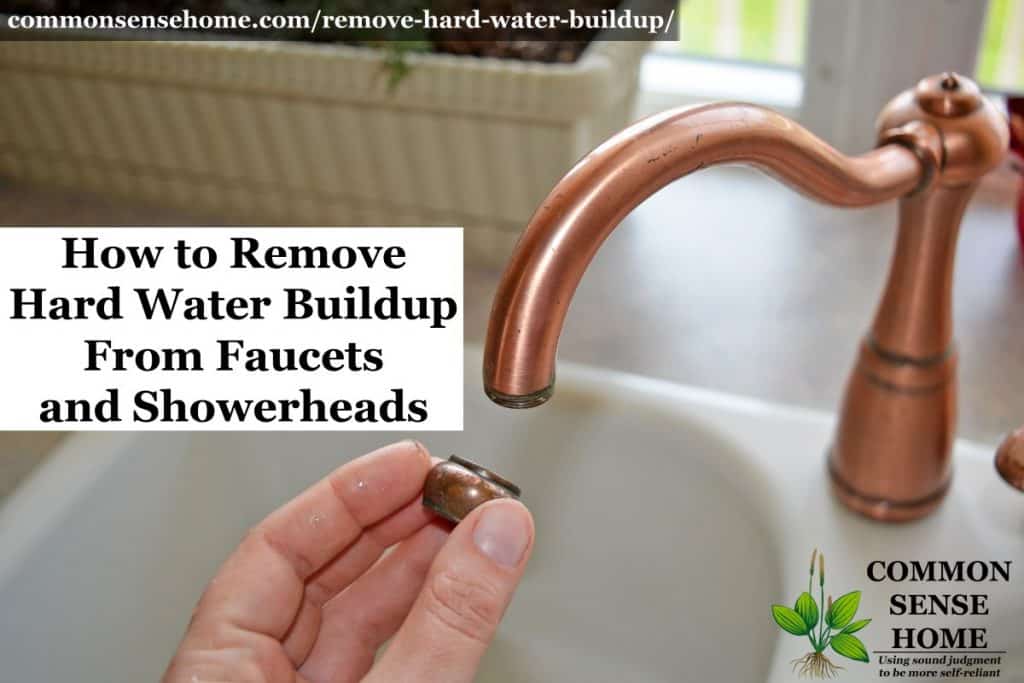 How to Remove Hard Water Buildup From Faucets and Showerheads
For glass shower doors, mix lemon juice with a splash of water in a spray bottle. Spritz it on, let it sit for 15 minutes, then wipe with a microfiber cloth. You’ll see streak-free sparkle that makes you want to take a slow-motion shower montage.
Baking Soda: The Gentle Giant
Now, what about really stubborn buildup—like on your toilet bowl or tile? That’s where baking soda steps in. It’s a gentle abrasive that won’t scratch surfaces, but it’s tough enough to break up mineral crusts. Think of it like a friendly dragon—strong, but warm and safe.
Make a paste with baking soda and a little water. Spread it over the buildup, let it dry for 20 minutes, then scrub. For extra power, add a splash of vinegar on top. It’ll fizz like a science fair volcano, and that fizzing action helps lift the gunk right off.
Need to descale a whole humidifier or dishwasher? Run an empty cycle with a cup of baking soda in the detergent compartment. It’ll neutralize odors and dissolve tiny mineral deposits. Your appliances will breathe a sigh of relief.
 How To Remove Hard Water Scale From Shower Head at Alicia Finch blog
When to Call in the Bi
Sometimes, even your army of pantry items can’t win. If you’ve got thick, ancient buildup that looks like rock candy, you might need a commercial descaler. But don’t panic—look for one with citric acid as the main ingredient. It’s the same stuff in lemons, just concentrated.
Also, consider prevention—because seriously, who wants to repeat this every month? You can install a water softener or a simple showerhead filter. They’re like bouncers for calcium—keeping the rough stuff out before it ever lands on your faucet.
Why This Is Actually Cool
Think about it: you’re not just cleaning; you’re performing a tiny chemistry experiment. Every time you dissolve hard water buildup, you’re using acids to react with minerals and turn them into water-soluble salts. You’re a scientist in slippers.
And the result? Fixtures that gleam like new, coffee that tastes less like a rock quarry, and spaces that feel fresh without harsh fumes. It’s a small victory for your home and your sanity. So go ahead—pick your weapon (vinegar, lemon, or soda), and enjoy that satisfying, sparkly payoff. Your faucet is waiting.
