How To Test For Hardness In Water

You know that feeling when you wash your hands and they just don’t feel quite clean? Or when your coffee maker starts looking like it has a tiny, chalky snow globe inside? Tha...
You know that feeling when you wash your hands and they just don’t feel quite clean? Or when your coffee maker starts looking like it has a tiny, chalky snow globe inside? That, my friend, is hard water.
Think of hard water as water that’s picked up too many minerals, mostly calcium and magnesium, on its journey from the sky to your tap. It’s not dangerous—you can drink it—but it can be a real nuisance for your home and your morning routine.
So, how do you know if you’re living with a hard water situation? Let’s play detective without needing a chemistry degree. Here are a few easy, at-home tests.
Must Read
The Soap and Suds Test (Your Hands Know Best)
Wet your hands with warm water. Now, use a little bit of liquid soap—any kind will do. If you get a rich, fluffy lather in a few seconds, you’re likely in soft water territory.
But if you have to scrub like crazy and the soap feels slimy or sticky, congratulations: you’ve got hard water. The minerals react with the soap to form that weird residue instead of suds.
It’s like trying to make a foam crown with dish soap in a greasy pan—it just doesn’t want to happen. Your shower gel is fighting a losing battle.
The Glass Test (A Little Science in Your Kitchen)
Fill a clean glass jar halfway with tap water. Add ten drops of pure liquid dish soap—not the super-concentrated kind, just regular stuff. Put the lid on and shake it for ten seconds.
Now look at the foam. If there’s a nice, thick blanket of bubbles on top, your water is soft. If the foam is thin, sparse, or disappears quickly, you’ve got hard water.
The water under the foam might also look a bit cloudy. That cloudiness is the minerals having a party with your soap, which is exactly what you don’t want.
Spot the Spots (The Everyday Evidence)
Take a look at your glassware after it dries. Do you see white, powdery spots or a filmy haze? That’s hard water residue, and it’s basically mineral deposits left behind.
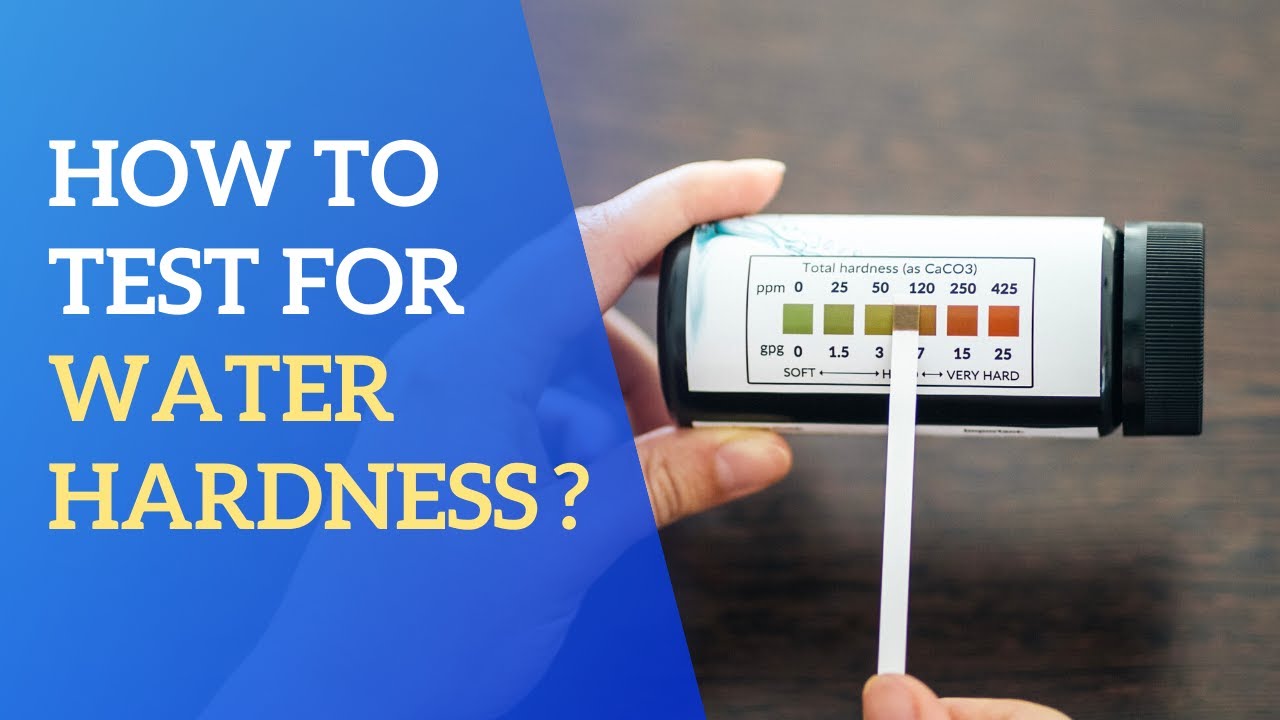 Water Hardness Test Strips - How To Test For Water Hardness? - YouTube
Same goes for your shower door. If you’re constantly scrubbing those stubborn white streaks, that’s hard water. It’s like your faucet is sprinkling chalk dust everywhere.
Even your hair can tell you. If it feels stiff, dull, or hard to rinse after a wash, the minerals are building up on your strands. Soft water hair feels silky and slippery almost immediately.
The Kettle or Coffee Maker (The Silent Witness)
Look inside your electric kettle or coffee maker. If you see a crusty white or yellow layer building up around the heating element, that’s scale. That’s the signature of hard water.
That scale acts like a blanket, making your appliances work harder and use more energy. It can even shorten the life of your coffee maker, which is a tragedy for your morning cup of joe.
If you haven’t cleaned your kettle in a while and it sounds like it’s boiling boulders, you know what’s up.
Why Should You Care? (The Fun Part)
Hard water doesn’t just annoy you; it costs you. Your clothes fade faster in the wash, your plumbing can get clogged, and your water-using appliances break down sooner.
But let’s be real—the biggest reason to care is your comfort. A good shower with soft water feels like a spa treatment. You use less soap, your skin feels less dry, and your hair has that bouncy, clean swing.
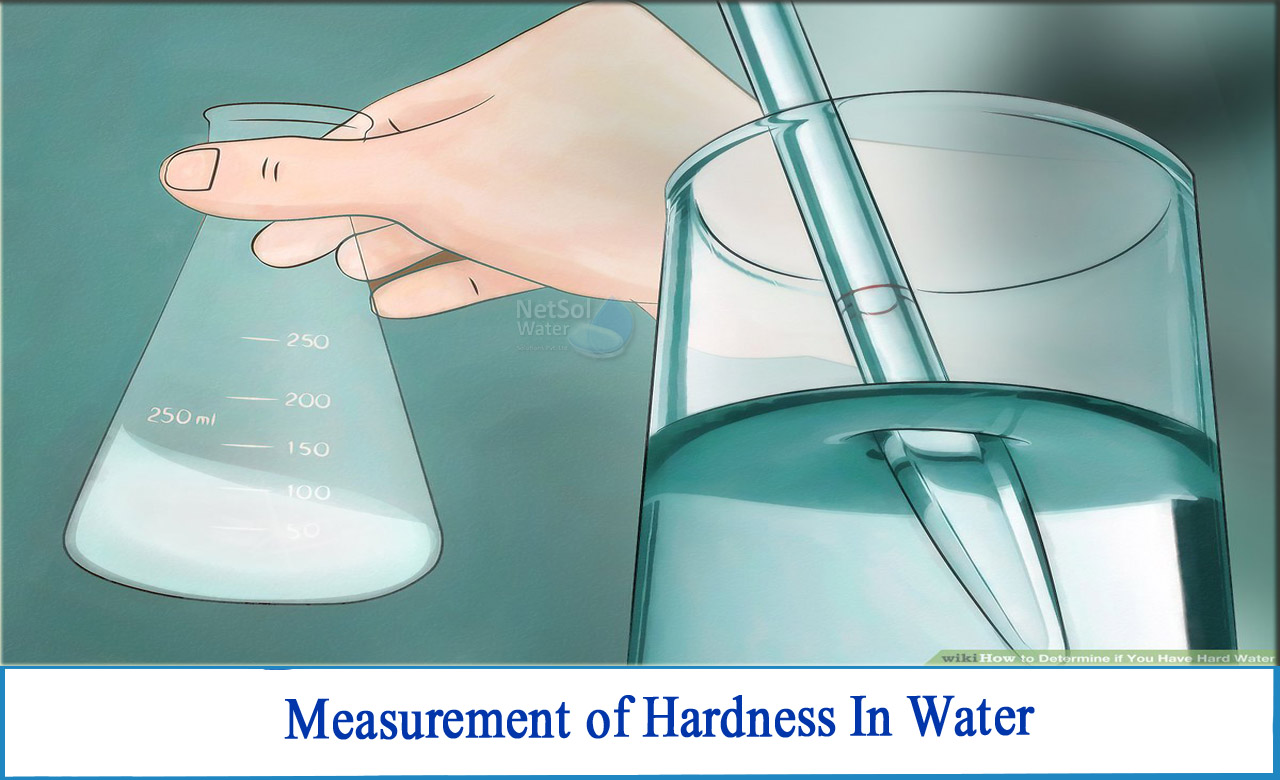 Hardness Measurement Of Water at Vicki Howes blog
Plus, you’ll stop battling those annoying spots on your dishes. Suddenly, your wine glasses look crystal clear, and you don’t have to dry them with a towel to avoid the mineral fog.
The DIY Shake Test (One More for the Road)
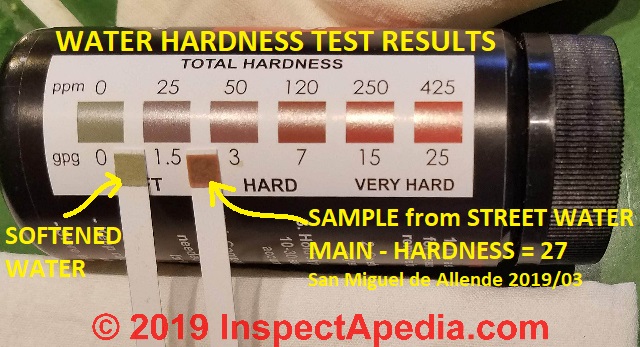
If you want a simple yes/no answer, buy a small water hardness test strip from a hardware store or online. Dip it in water, wait a minute, and compare the color to the chart.
That strip will tell you exactly how hard your water is in grains per gallon (gpg) or parts per million (ppm). For most homes, anything over 7-10 gpg is considered very hard.
But honestly, the soap and glass test from your kitchen usually tells the story just as well—and it’s a lot more fun to shake a jar than to read a color chart.
The Bottom Line (No Science Gear Required)
You don’t need a lab coat to test for hardness. Your hands, your coffee mug, and your soap are all tiny detectives. Pay attention to how they feel and look.
If you discover you have hard water, don’t panic. A simple water softener system or a countertop filter can change your life in a matter of minutes. Your skin, your appliances, and your sanity will all thank you.
So go on—shake that jar, peek at your kettle, and give your hands a good scrub. Your home is telling you something. All you have to do is listen.
