How To Check The Quality Of Water

I once paid five bucks for a fancy bottle of "glacial water" that tasted suspiciously like my aunt’s basement. You know the one—a little metallic, a little dusty, and weirdly...
I once paid five bucks for a fancy bottle of "glacial water" that tasted suspiciously like my aunt’s basement. You know the one—a little metallic, a little dusty, and weirdly warm. That’s when I realized: not all water is created equal, and your nose and wallet can be fooled. So, how do you actually tell if your H2O is good enough to drink, shower in, or water your prize-winning petunias?
Let’s be real—water quality isn’t just about taste (though that matters). It’s about what you can’t see, smell, or feel right away. Luckily, you don’t need a lab coat or a PhD to play detective. Grab a glass, a little curiosity, and let’s get into the nitty-gritty of checking your water like a pro.
Step 1: The Good Ol’ Sensory Test
Start with what Mother Nature gave you: your eyes, nose, and mouth. Pour a clear glass of water and hold it up to the light. If you see floating specks, cloudiness, or a weird oily film, that’s a red flag (or at least a yellow one).
Must Read
Now, give it a sniff. Clean water should smell like… nada. If you get a whiff of bleach, rotten eggs, or a musty swamp, something’s off. Side note: That egg smell often means sulfur or bacteria in your pipes—not dangerous usually, but not exactly gourmet.
Finally, take a tiny sip. Swish it around like you’re tasting wine (go ahead, look fancy). It should feel crisp, not metallic or salty. If it tastes like licking a penny, there might be too much iron or copper—fine in small amounts, but a sign to test further.
Step 2: The "Wait, That’s Weird" Home Test
You can do a few quick checks without buying anything. Boil a pot of water and let it cool—if you see a white, chalky residue (scale), you’ve got hard water. Not a health risk, but it’ll wreck your coffee maker and leave your hair feeling like straw.
Another trick: fill a clean, clear bottle halfway, shake it, and let it sit for an hour. If the water stays cloudy, or if a slimy film forms on top, you might have microbial contamination. (Yes, that’s a fancy way of saying “ew, germs.”)
And here’s a weird one: test the suds. Drop a bit of soap into your water and shake. If you get fluffy bubbles, your water is soft. If you get a weak, scummy mess, it’s hard. Your laundry detergent will thank you for knowing this—seriously, I’ve seen shirts survive longer.
 How to Test Water Quality at Home: Your Complete Guide – World Water
Step 3: The DIY Kit (Because You’re a Grown-Up Now)
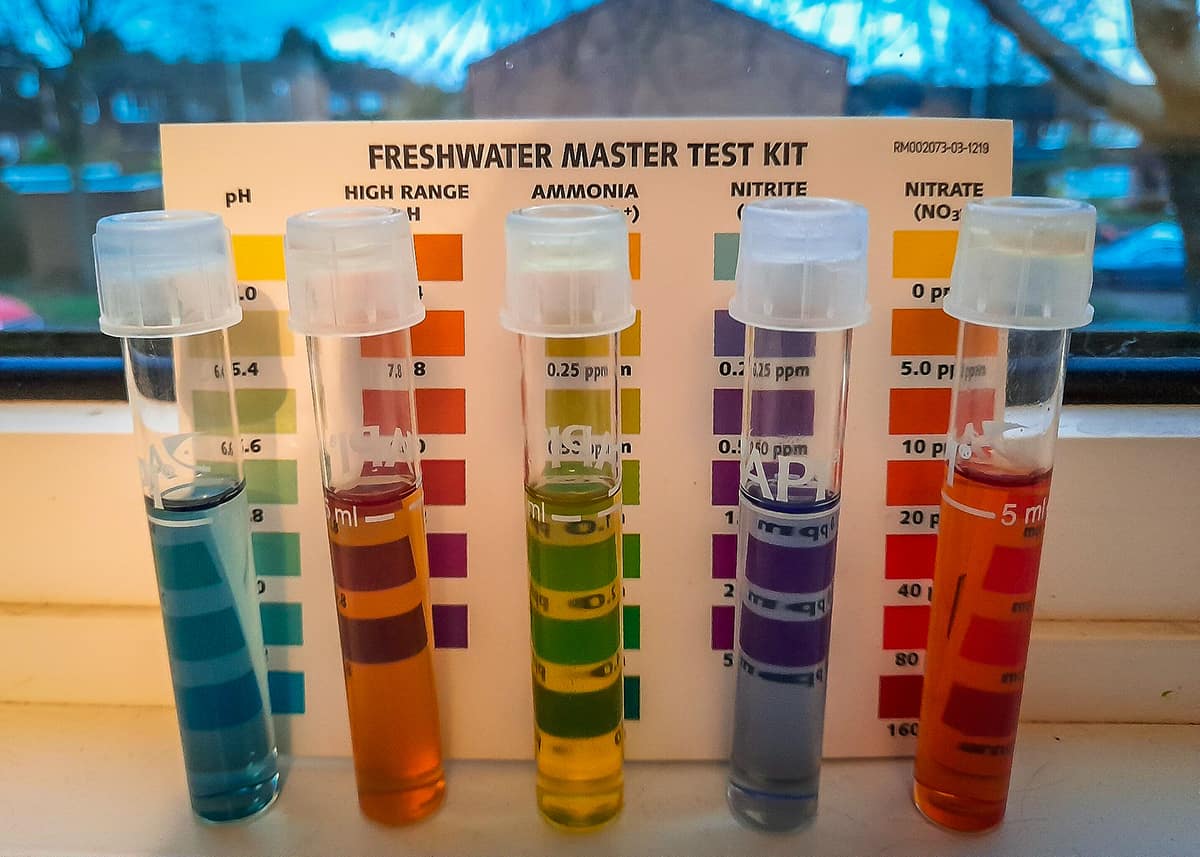
For a few bucks, you can buy a home water testing kit at any hardware store or online. They usually check for pH, chlorine, hardness, lead, and nitrates. It’s like a pregnancy test for your tap water—pee in a cup? No, just dip a strip. Wait a few seconds, match the colors, and boom—answers.
Pro tip: Test your water first thing in the morning, before you run any taps. That water has been sitting in your pipes all night and tells you more about your plumbing’s true state. If it comes back green for lead, call a plumber—don’t panic, but don’t keep drinking it either.
Oh, and if you’re on a private well (not city water), you should test for bacteria every year. I know, it’s a chore—but so is getting sick from E. coli. Your gut will thank you.
Step 4: The "Maybe I Need a Pro" Moment
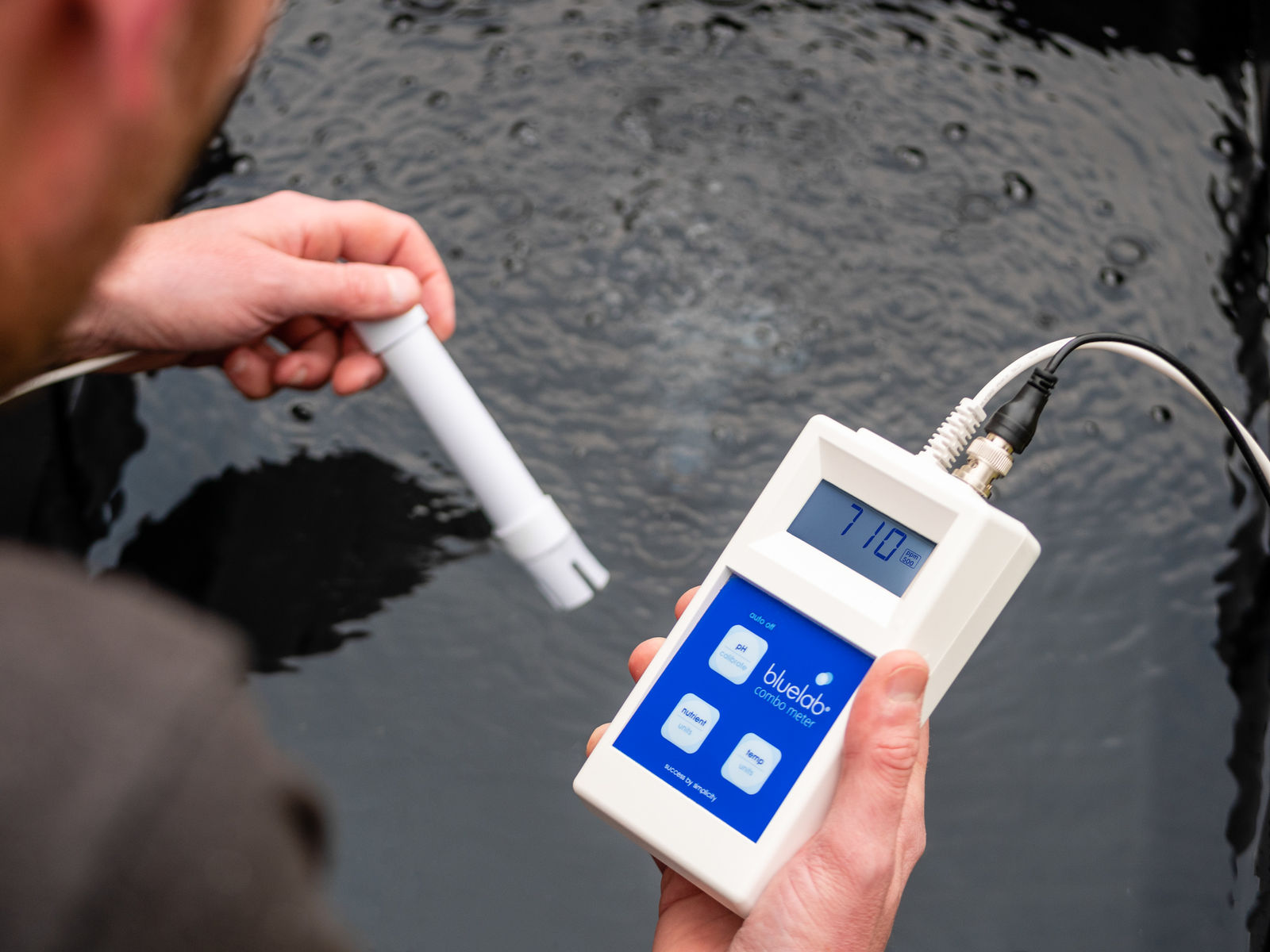
If your home test shows weird results—or if you live in an old house with lead pipes—get a certified laboratory test. It costs around $30–$100, but it’s the only way to check for heavy metals, pesticides, or industrial chemicals. Think of it as a water checkup, like going to the dentist but less painful.
You can often send samples through local health departments or water testing labs. They’ll give you a full report with numbers and jargon, but here’s the cheat sheet: anything above the EPA’s “maximum contaminant level” is a big fat nope. And if you’re worried about fluoride or chlorine, those are usually added on purpose—but you can filter them out if you’re a purist.
 Water Quality Testing Adelaide at Joseph Florence blog
Side comment: I once tested my water and found it was basically pure mineral water from the tap. Felt like I won the lottery. You might, too—or you might discover you’ve been showering in something closer to a swimming pool. Knowledge is power, my friend.
Step 5: What To Do With All This Info
If your water is fine—congratulations, you’re winning at hydration. If it’s not, don’t freak out. A simple charcoal filter (like in a Brita) handles many taste and odor issues. For harder stuff, you might need a reverse osmosis system or a water softener—more expensive, but worth it if you’re serious.
Boiling water kills bacteria and viruses, but it doesn’t remove chemicals or metals. So if your tests show lead, boiling just concentrates it. Instead, switch to bottled water for drinking and cooking until you fix the source. (And yes, I know bottled water has its own problems—but we’re talking emergencies here.)
Finally, listen to your body. If you get an upset tummy every time you drink tap water, or your skin gets itchy after showers, trust that instinct. Your body is a pretty good water tester, even if it doesn’t come with a color chart.
The Takeaway (and a Little Irony)
Checking water quality is a bit like dating—you start with the obvious red flags, do a little digging, and if something feels off, you move on. Most tap water in developed countries is safe, but “safe” and “optimal” are two different things. So go ahead, be that person who sniffs their glass and stares at it like a suspicious cat. Your health is worth the weird looks.
And hey, if all else fails, just remember: you’re 60% water. So whatever you drink, it better be good. Cheers to clear, clean, and confident hydration—now go test that tap! 🚰
