How To Know If Your Water Is Hard

So the other day, I’m washing my hands at a friend’s place, and I lather up with this fancy soap. It feels like I’m rubbing chalk on my skin, and the suds just refuse to foam....
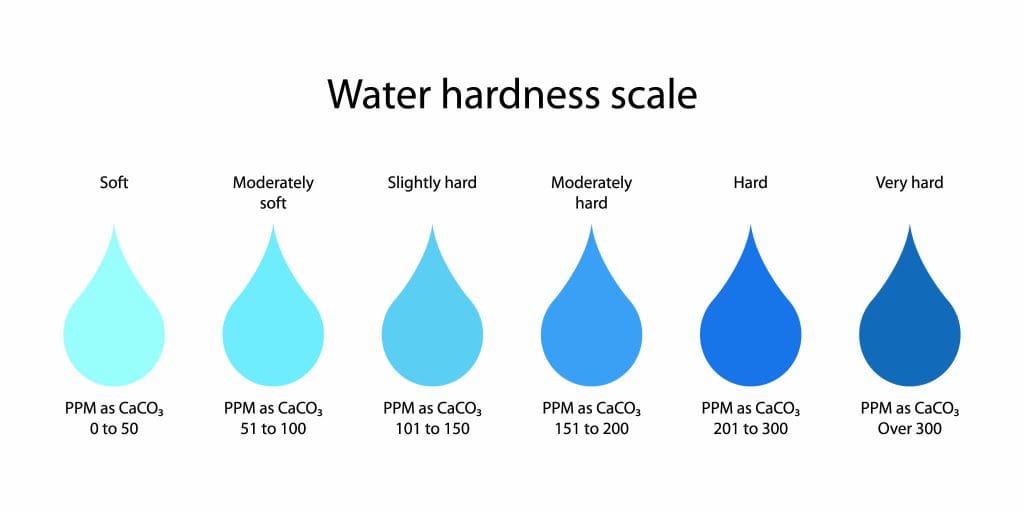
So the other day, I’m washing my hands at a friend’s place, and I lather up with this fancy soap. It feels like I’m rubbing chalk on my skin, and the suds just refuse to foam. I rinse, and my hands feel squeaky, like I’ve been scrubbing them with sandpaper.
I dry them off, and they feel tacky—like they’re coated in a weird, invisible film. My friend sees my confused face and just laughs. “Welcome to hard water,” she says. I finally understood that my perfectly soft water at home was the exception, not the rule.
The Soap That Betrays You
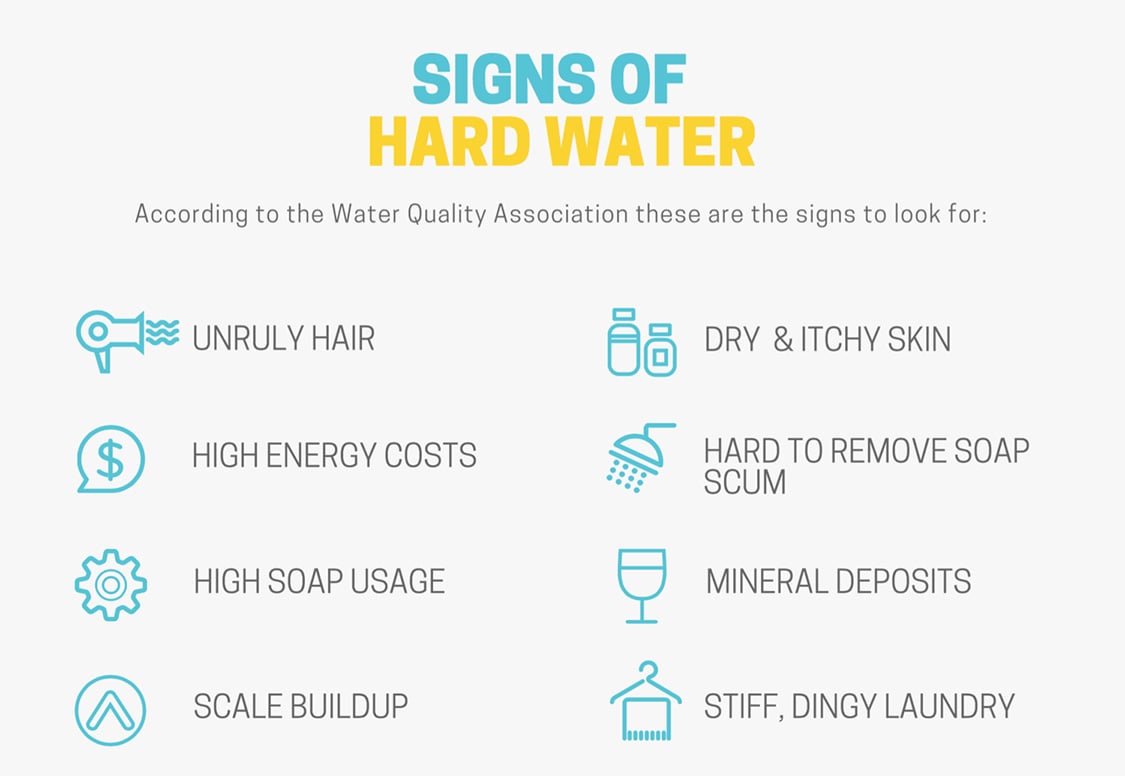
The first clue is always your soap. If your hand soap, dish soap, or even shampoo refuses to lather properly, it’s a dead giveaway. Hard water is packed with minerals like calcium and magnesium that hijack the soap molecules before they can turn into fluffy bubbles.
Must Read
You’ll end up using twice the amount of product just to get a weak foam. It’s like the water is eating your soap—which is annoying and expensive.
The Dishwasher’s Dirty Secret
Pull out a glass from your dishwasher. Does it have those cloudy spots or a gritty white film? That’s hard water etching the glass. Those spots aren’t dirt—they’re mineral deposits baked on by the heat.
If your plates feel slimy even after a wash, or you see rainbow streaks on your silverware, it’s the water doing its thing. You can rinse them ten times, and it won’t change a thing. Frustrating, right?
The Squeaky Clean Myth
Here’s the irony: hard water makes your dishes and skin feel “squeaky.” But that squeaky feeling is actually soap scum sticking to you. Real soft water leaves a silky, smooth feel—not that psychological “I’m so clean” squeak your brain craves.
So if your skin feels tight and dry after a shower, or your hair feels straw-like, don’t blame your products. Blame the water messing with your pH balance.
The Scale That Grows Without Asking
Check your faucets and showerheads. See white, crusty buildup around the spout? That’s limescale—a classic hard water calling card. It’s the same stuff you scrape off your coffee kettle.
 A Detailed Guide on Hard Water Treatment Systems
If you have to descale your coffee maker every month, or your shower pressure is mysteriously dropping, scale is choking your pipes. It’s like your plumbing is slowly turning into a stalactite cave.
The Laundry That Fades Fast
Notice your bright red t-shirts turning a sad pink after a few washes? Hard water can make colors fade faster and leave whites looking dingy or yellow. The minerals bind to fabric fibers, trapping detergent residue and dirt.
You might also feel that your towels are stiff and scratchy, no matter how much fabric softener you dump in. That’s because the softener is fighting a losing war against calcium. Your towels just want to be fluffy, but the water is winning.
The Water Spot Conspiracy
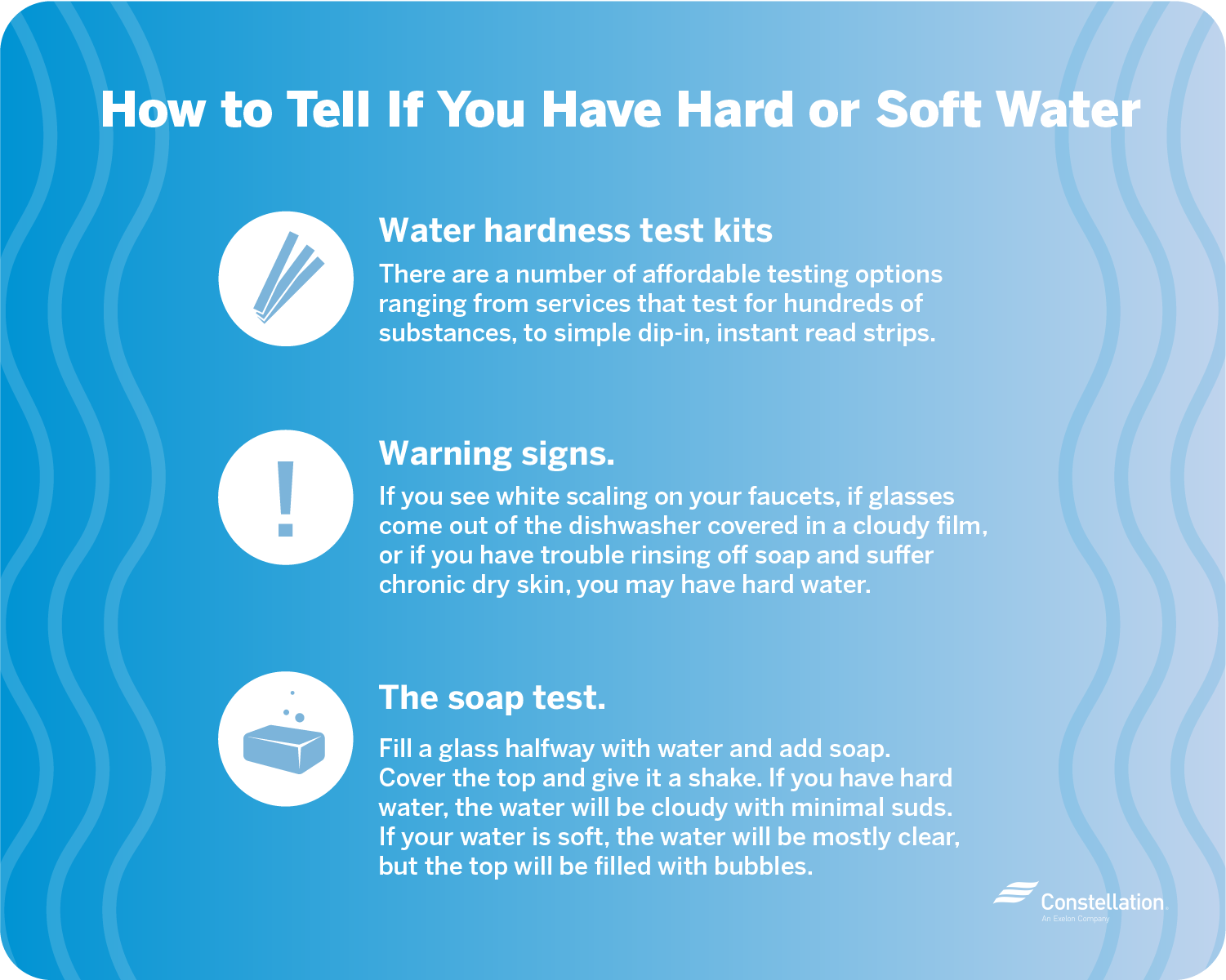
The easiest test? Just wash a clear glass with plain water and let it air-dry. If you see spots or a cloudy haze after it dries, you’ve got hard water. Those spots are pure mineral residue left behind as the water evaporates.
You can try wiping them off, but they cling like stubborn glitter. I once spent an hour polishing glasses for a dinner party, only to have them look foggy again within minutes. Thanks, water.
The Kettle Test (A Science Experiment)
Fill a clear glass kettle with tap water and boil it. After a few uses, check inside—if there’s a white, chalky film floating or clinging to the glass, that’s your proof. It’s like your kettle is growing a mineral beard.
 Why Is There Water In My Soft Water Tank at Jaclyn Glenn blog
If you see flakes floating in your tea, you’ve definitely got hard water. And it’s not dangerous—just unappealing and a sign that your pipes are slowly calcifying.
The Skin Crawl Factor
Here’s the weirdest one: after you shower, does your skin feel like it has a residue? Like you didn’t quite rinse off all the soap, even though you definitely did? That’s the soap scum clinging to your skin because the minerals prevent it from rinsing cleanly.
Your lotion won’t absorb properly either—it just sits on top of that film. You might break out or feel itchy, especially if you have sensitive skin. Hard water is basically a blocker for your skincare routine.
What To Do If You’re Guilty
If you’ve read this far and feel personally attacked by your dripping faucet, don’t panic. The first step is a water hardness test strip from the hardware store—they’re cheap and take ten seconds. Or you can look up your local water utility’s report online; they often list hardness levels.
Then you can get a water softener or a simple shower filter. I got a little filter for my showerhead, and my hair stopped feeling like straw overnight. Small wins matter.
In the meantime, use less soap and add a tablespoon of vinegar to your laundry’s rinse cycle—it cuts the mineral action. And remember: hard water is common, not a curse. You’re just washing with a bit of rock juice, and now you know how to spot it.
