How To Raise Ph In Drinking Water

So, my friend Dave—the guy who waters his succulents with the same devotion I reserve for coffee—once called me in a panic. He’d bought a fancy pH meter, tested his tap water,...
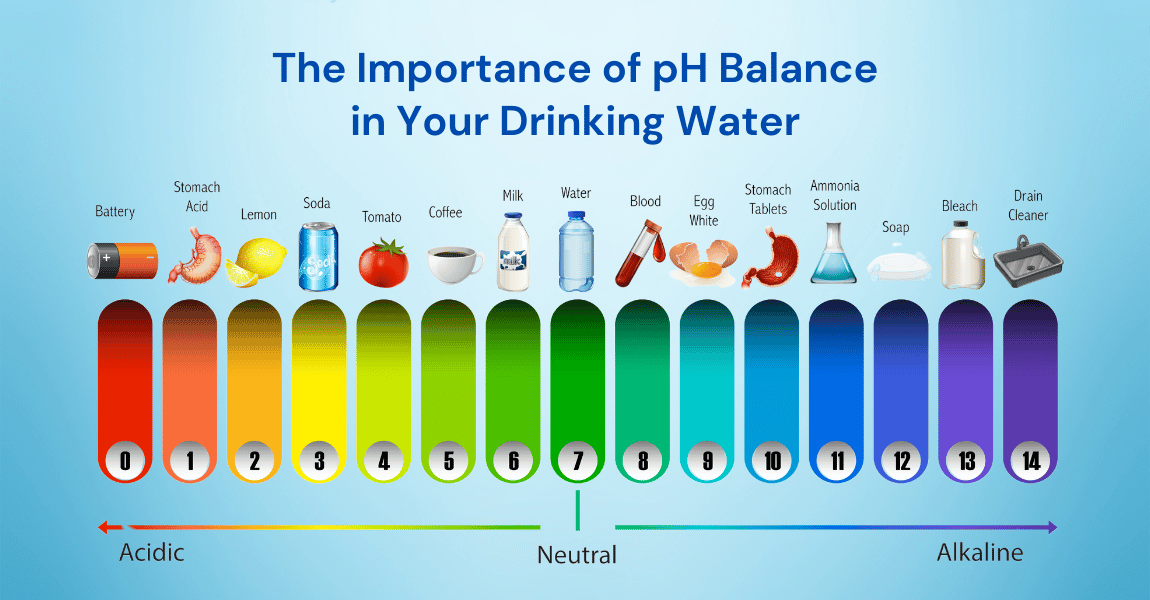
So, my friend Dave—the guy who waters his succulents with the same devotion I reserve for coffee—once called me in a panic. He’d bought a fancy pH meter, tested his tap water, and got a reading of 6.0. “It’s basically lemon juice!” he wailed. I rolled my eyes, but then he asked a genuinely good question: “How do you raise pH in drinking water without turning it into a chemistry lab?”
Dave wasn’t wrong to worry. Acidic water (below pH 6.5) can leach metals like copper and lead from your pipes—and it tastes like a sad, sharp sigh. But raising the pH isn’t rocket science. It’s more like cooking dinner with a few pantry staples… if your pantry included rocks. Let’s break it down without the jargon, okay?
First, let’s get real about your water
Most tap water is already fine, honestly. The EPA recommends a pH between 6.5 and 8.5 for drinking. If you’re below that, you’ll probably notice a metallic taste or see blue-green stains in your sink (copper pipes weeping). Don’t panic—just test again with a reliable kit, not Dave’s $10 Amazon special. Side note: pH meters are drama queens; they drift like your phone’s GPS in a tunnel.
Must Read
If your water is truly acidic, raising the pH is about adding alkaline minerals. Think of it like adjusting the seasoning in soup: too sour? Add a pinch of baking soda. Too acidic? Same logic, different chemistry. You’re just bumping up the buffer.
Method 1: The Baking Soda Trick (Lazy Person’s Hero)
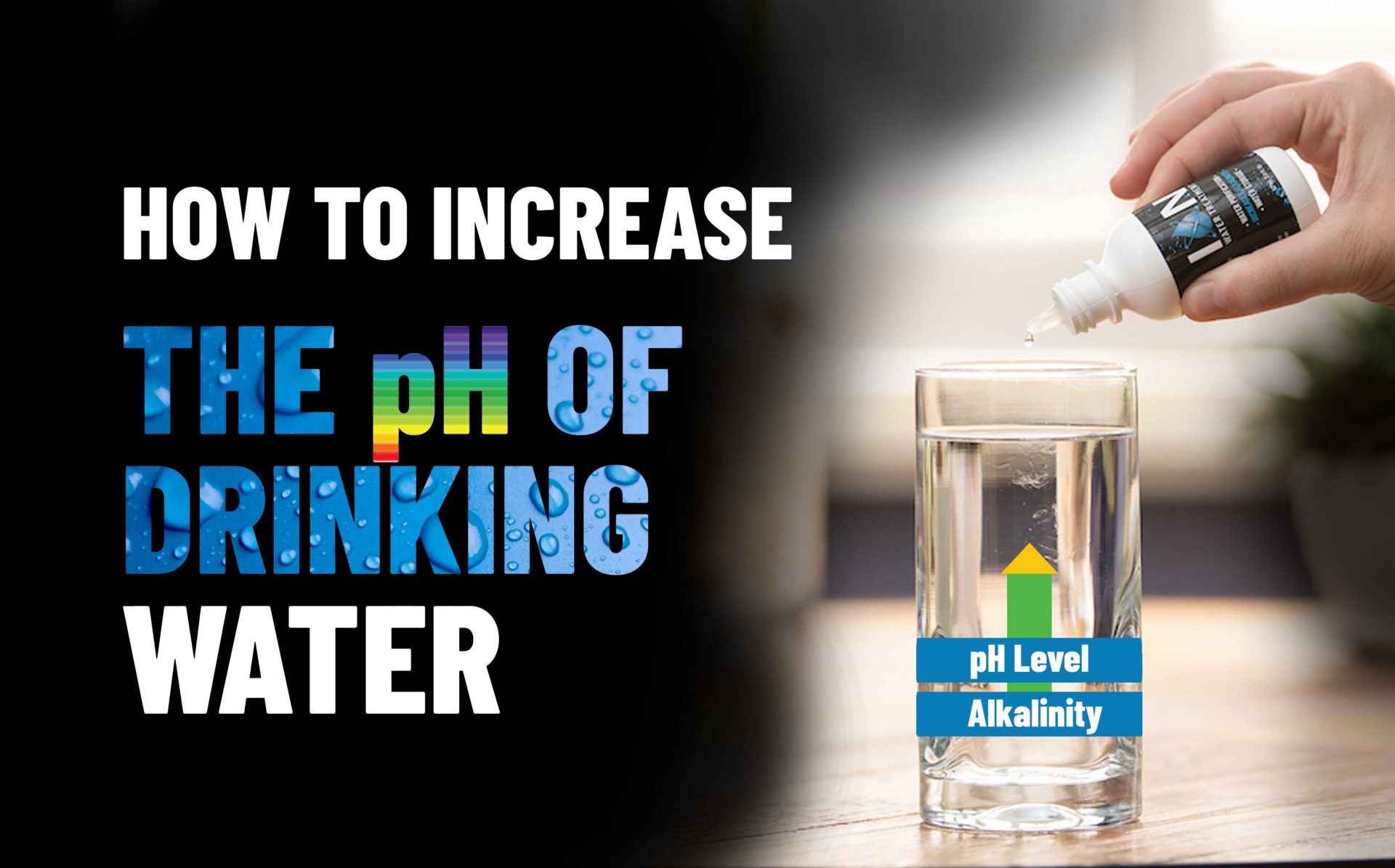
Yes, the same box in your fridge that absorbs smells can fix your water. Add ⅛ teaspoon of baking soda (sodium bicarbonate) per gallon of drinking water. Stir until dissolved. That’s it. It will raise pH for a day or two—test it to be sure. Warning: It adds a tiny amount of sodium. If your doctor has you on a low-sodium diet, skip this.
But here’s the gotcha: baking soda’s effect is temporary. It’s like a band-aid on a leaking pipe. Great for a single glass, lousy for treating your whole house. Dave tried this, then wondered why his kettle still grew scale. Spoiler: Scale is alkaline, but it’s not the same as balanced pH.
Method 2: The Rock Route (pH-Boosting Filters)
If you want to treat your entire fridge pitcher or tap, buy a calcite filter. It’s literally a cartridge filled with crushed limestone (calcium carbonate). Water flows through, slowly dissolves the calcite, and raises pH naturally. It also adds a little calcium—good for your bones! Ironic side thought: You’re basically making your water take a bath in gravel.
 Quick Guide to pH in Drinking Water – Tap Score
These filters work silently for months. You just replace the cartridge every 6–12 months. Cost? About $20–50, depending on your system. Dave bought one, installed it backward (classic Dave), and then bragged about his “artesian well water.” Pro tip: Follow the arrow on the filter. It’s that important.
Method 3: The Baking Soda Alternative—Washing Soda (Not for Eating!)
I once saw a blog recommend sodium carbonate (washing soda) for drinking water. Do. Not. Do. That. Washing soda is for laundry, not bellies. It’s 10x stronger than baking soda and will make your water taste like a burnt soap bar. And yes, I’m side-eyeing you if that sounded tempting.
Stick to food-grade options. If you’re feeling DIY, get calcium carbonate powder from a health store. Add 1 teaspoon to a gallon of water, shake, let it settle, and sip the clear stuff. It’s like making your own mineral water, minus the fancy bubbles.
But wait—does your water actually need it?
Here’s the part where I channel your skeptical friend. Unless you live in an old house with copper pipes or you’re a gardener nurturing blueberries, pH is rarely a crisis. Most “alkaline water” fads are marketing fluff. Your stomach acid has a pH of 1.5 to 3.5—it laughs at your slightly acidic water. Seriously, your gut is a bio-reactor that handles pickle juice just fine.
 How to Increase the pH of Drinking Water - ION Oxygen
If you’re raising pH for taste, try a slice of lemon first. Lemon is acidic, but once metabolized, it has an alkalizing effect. Yes, I’m saying sour fruit makes water less sour—life is weird. Or just let the water sit in an open pitcher for 24 hours. Carbon dioxide escapes, pH rises naturally by 0.5–1 point. No filters, no baking soda, just patience.
When to call a pro (and not your neighbor Dave)
If your pH is below 6.0 consistently, you might have acidic well water from rainwater or geological runoff. Fixing that requires an acid neutralizer tank—a big blue barrel of calcite that costs $500–$1,000. Don’t DIY this. You’ll end up with gravel in your pipes. (Dave tried it. He now has a YouTube video titled “How to unclog a faucet with a coat hanger.”)
Also, if you’re on city water, call your supplier. They’re legally required to keep pH in range. Chances are, your test was a fluke. Or Dave borrowed your meter and licked it first. I wouldn’t put it past him.
So, to recap: Baking soda for a quick fix, a calcite filter for real results, and a healthy dose of skepticism for the hype. Your water is probably fine. But if it’s not, you now know how to nudge it without turning your kitchen into a lab. Now go drink a glass of (balanced) water and ignore Dave’s next text. He’s about to ask about “water structuring” crystals, and I don’t have the energy.
