How To Eliminate Nitrate In Water

Let’s be honest—most of us don’t give a second thought to the water coming out of our tap. We just fill up our coffee maker, water the basil plant, or let the kids splash arou...
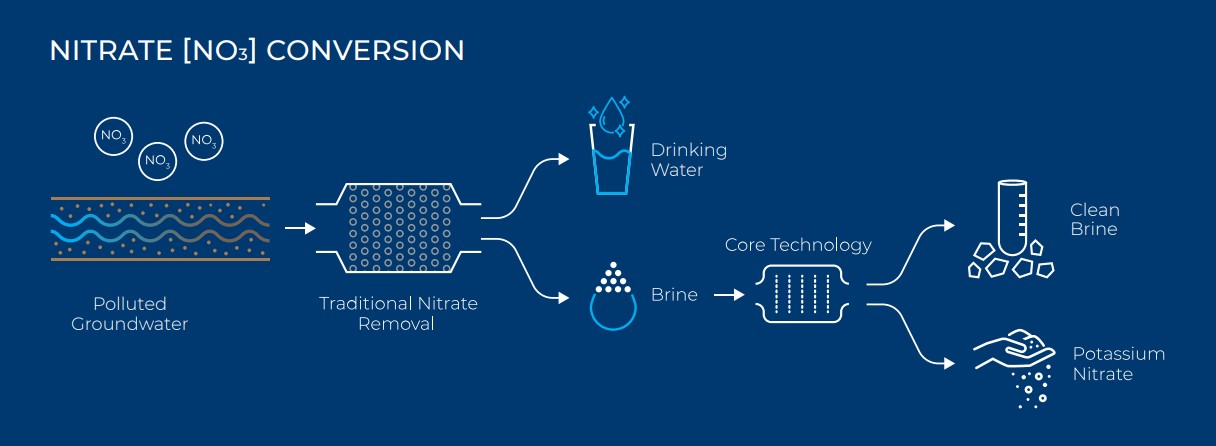
Let’s be honest—most of us don’t give a second thought to the water coming out of our tap. We just fill up our coffee maker, water the basil plant, or let the kids splash around in the sprinkler. But every now and then, you might hear a neighbor mention “nitrates,” and suddenly you’re wondering if you need to become a part-time scientist. Don’t worry—I’ve got you, and I promise this won’t feel like chemistry class.
Why Should You Even Care About Nitrates?
Nitrates are basically invisible stowaways that can hitch a ride into your water from fertilizer runoff, septic systems, or even your own garden soil. Think of them like the uninvited guest who shows up to your barbecue and eats all the burgers. High levels of nitrate are especially risky for babies under six months—it can mess with how their blood carries oxygen. For the rest of us, it’s not a panic button, but long-term exposure isn’t exactly a spa day for your kidneys.
Here’s the good news: you don’t have to live in fear or move to a mountain spring. You just need a few simple, friendly fixes that fit right into your everyday routine.
Must Read
Step 1: Find Out What’s in Your Glass
Before you run out and buy gadgets, grab a simple home test kit at your local hardware store or online. It costs about as much as a decent latte, but it tells you if your water is in the “safe zone” (under 10 mg/L) or if it’s secretly hosting a nitrate party. I remember testing my own tap water with my daughter one rainy Saturday—she thought it was a science experiment, and I felt like a superhero protecting my family. Knowledge really is power, and it keeps you from guessing.
If your test shows high numbers, don’t panic. Just consider that the problem might be seasonal (hello, spring rains and fertilizer season). Test again a week later to see if it’s a fluke or a trend.
Step 2: The Kitchen Heroes
Boiling? Nice Try, But No Cigar
I hate to break this to you, but boiling water does not remove nitrates. In fact, it actually concentrates them as steam escapes—so you’d end up with a stronger nitrate brew. That’s like trying to clean your carpet by adding mud. So skip the kettle for this one.
 Bromate Removal From Drinking Water
Reverse Osmosis: The Overachiever
Reverse osmosis (RO) systems are the rock stars of nitrate removal. They push water through a special membrane that kicks out nitrates and other unwanted party crashers. You can get a small under-sink unit for around $150–$300, and it’s about as complicated to install as hooking up a garden hose. My buddy Dave installed one in an hour, and now he brags about his “mountain-fresh” tap water every time I visit. The trade-off? It wastes a bit of water—about 3 gallons for every 1 gallon it makes—but it’s a small price for peace of mind.
Distillation: The Old-Fashioned Way
Distillers boil water, catch the steam, and turn it back into liquid, leaving nitrates behind. They’re slower than a sleepy Sunday morning, but they work. If you’ve got the patience to wait for a gallon at a time, a countertop distiller can be your best kitchen buddy. Just remember to plug it in near a window—it puts out some heat and humidity, which is great if you’re also trying to dry a dishrag.
Step 3: A Quick Fix for Your Refrigerator Pitcher
You know those filtered water pitchers everyone owns? Most standard pitcher filters (like Brita or Pur) do not remove nitrates. They’re great for making water taste better, but they’re like a bouncer that only checks IDs, not the whole guest list. If you want a pitcher that handles nitrates, look for one with an “ion exchange” label—but even then, they’re only a moderate help. I keep a regular pitcher for my morning lemon water, and an RO spout for filling the baby bottles. It’s not complicated; it’s just having two tools for two jobs.
Step 4: The Long-Term Love for Your Well
If you get your water from a well, you’re basically the CEO of your own mini water company. That’s cool, but it comes with homework. Test your well water every year in the spring when runoff is highest. It’s like an annual check-up for your property. Also, make sure your well casing is sealed tight and at least 50 feet from your septic system—imagine them as two grumpy neighbors who shouldn’t share a fence.
 3 Ways to Remove Nitrates from Water - wikiHow Health
If you find nitrate levels are persistently high, consider a whole-house nitrate system that treats all your water—not just the kitchen tap. It costs more (think $1,000–$2,000), but it means every shower, dishwasher load, and garden hose spray is safe. Think of it as buying a spa day for your entire home.
Step 5: Little Lifestyle Tweaks That Help
You don’t have to become a hermit to keep nitrates in check. Use less chemical fertilizer in your yard—try compost or a natural brand with lower nitrogen content. When you water your lawn, do it deeply but less often, so fertilizer soaks in instead of running off into the aquifer. It’s the same principle as not using a firehose to water a single daisy.
And here’s a fun one: keep a pitcher of tap water in the fridge for 20 minutes before drinking. This doesn’t remove nitrates, but it lets any chlorine off-gas, making the water taste way less “swimming pool” and more “crisp mountain spring.” It’s a small joy that makes you actually want to drink more water—which is always a win.
Final Sip of Wisdom
Look, you don’t need to overhaul your entire life or buy a lab coat. Start small: test your water, choose a simple RO system or distiller if you need it, and keep an eye on your well each year. You already know how to brew coffee and fold laundry—this is just one more little habit. The best part? Once you set it up, you can relax, fill your glass, and toast to the fact that you’ve turned a boring household chore into a tiny victory. Bottoms up, you awesome water warrior.
