Does Bottled Water Have Minerals

So, you’re standing in the grocery aisle, staring at a bottle of water. The label boasts a picture of a snowy mountain, but your only real question is: does this stuff have mi...

So, you’re standing in the grocery aisle, staring at a bottle of water. The label boasts a picture of a snowy mountain, but your only real question is: does this stuff have minerals? Let’s be honest, it’s a tiny mystery we can totally solve, and I promise it’s way more fun than it sounds.
The Mineral Lowdown: Yes, But Which Ones?
Here’s the quick answer: Yes, most bottled water contains minerals. But the type and amount depend entirely on where that water came from. It’s like asking if your coffee has caffeine—generally, yes, but the kick varies wildly!
Think of minerals as the “personality” of the water. Some water is born from ancient springs, picking up calcium, magnesium, and potassium as it travels through rocks. Other water is purified tap water, which strips most minerals out, then sometimes adds a tiny bit back for taste.
Must Read
So, when you see “natural spring water” on a label, you’re basically getting a sip of Earth’s geology. Pretty cool, right? You’re drinking a rock’s life story.
Why Should You Even Care About Minerals in Water?
Minerals aren’t just fancy chemistry jargon. Calcium helps your bones, magnesium keeps your muscles happy, and potassium helps your heart beat like a champ. Sipping mineral-rich water is like giving your body a tiny, delicious multivitamin.
But here’s the fun twist: you can actually taste the difference. Water with more calcium might feel “crisper,” while water with sodium (don’t panic, it’s a tiny amount) can taste slightly “sweeter.” Suddenly, water tasting isn’t boring—it’s a flavor adventure!
Comparing bottled waters becomes a little game. Grab a few different brands, close your eyes, and guess which has more minerals. It’s like a wine tasting, but without the fancy words and with way more hydration.
 What Minerals Does Spring Water Contain at Noah Bugnion blog
The “Purified” Plot Twist
Now, not all bottled water is the same. If you grab a bottle labeled “purified” or “distilled,” it’s gone through a process that removes almost all minerals. These waters are ultrapure, like a blank canvas—great for coffee makers or mixing baby formula.
Does that make them bad? Absolutely not. They’re just different. You wouldn’t judge a sports car for not being a truck, right? Drinking purified water is still perfectly healthy, but it won’t give you that mineral zing.
So, check the label for words like “natural spring” or “mineral water” if you want the good stuff. The ingredient list often whispers the truth: look for calcium carbonate or magnesium sulfate listed.
A Bubbly Lesson from Everyday Life
Think of it like this: a plain bagel is fine, but a bagel with seeds and salt is more interesting. Purified water is your plain bagel; mineral water is the seeded, salty, delicious version. Both fuel you, but one adds a little extra flair to your day.
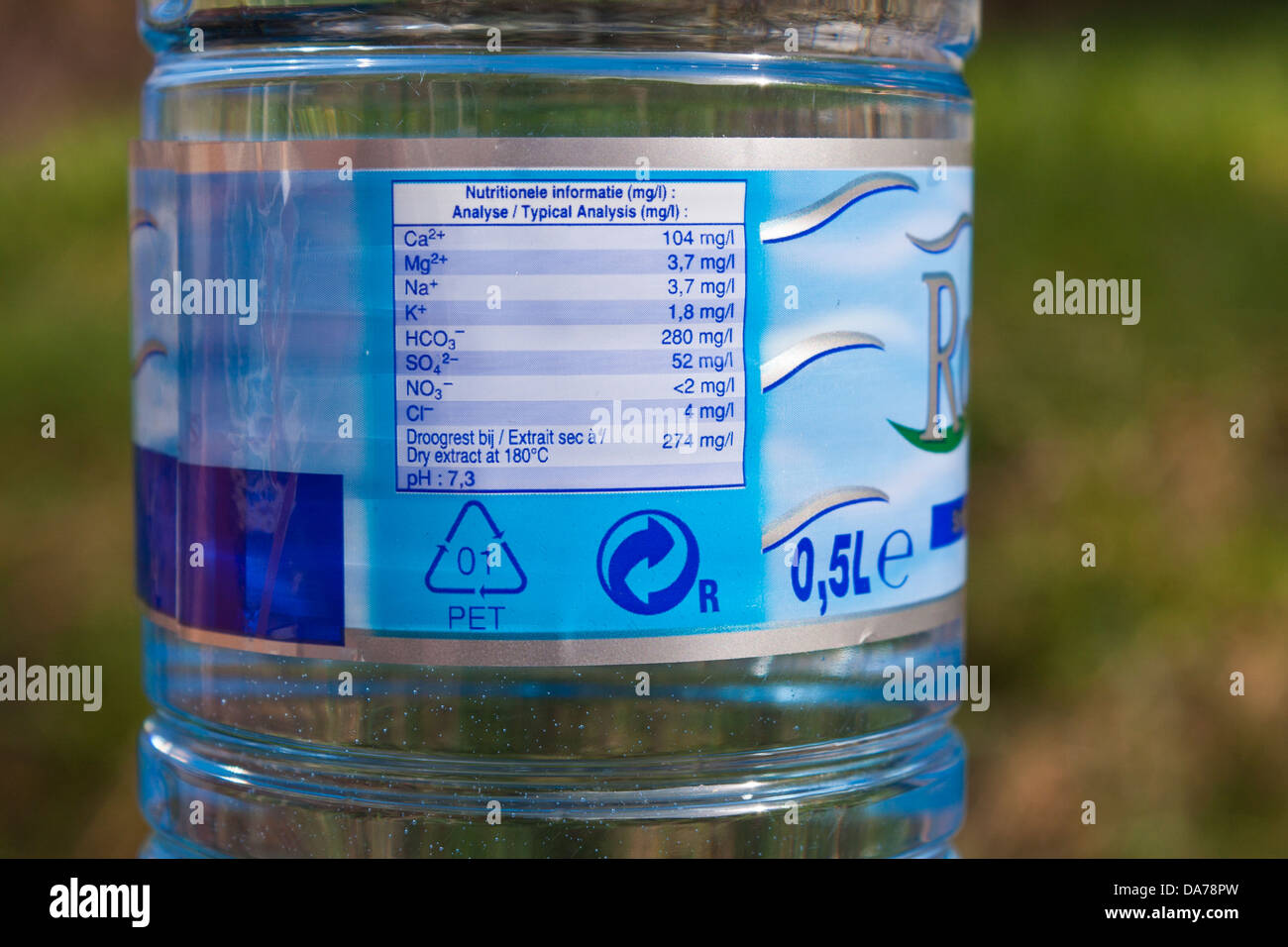 Does Bottled Water Have Minerals at Zoe Walker blog
And hey, you don’t need to stress about getting all your minerals from water. You get plenty from food! This is just a fun, science-y side quest. It makes something as mundane as drinking water feel a little bit magical.
Imagine telling your friend, “Oh, this bottle has 15 mg of magnesium per liter—pairs nicely with my afternoon slump.” You’ll sound like a hydration guru.
So, What’s the Uplifting Takeaway?
The next time you crack open a bottle of water, pause for a second. Think about the journey it took—through ancient aquifers, over rocks, and into your hand. You’re not just drinking hydration; you’re drinking a tiny slice of Earth’s story.
And the best part? You don’t need a lab coat to enjoy it. Just a sense of curiosity and a thirst for something new. Life is full of these little hidden details, and learning about minerals in water reminds us that wonder is everywhere—even in a plastic bottle.
So go ahead, take a sip, and feel a little smarter. Then maybe read the label on a few other things in your pantry. Who knows what secrets you’ll unlock next? Your next fascinating discovery is just a label away.
