What Does Alkaline Do For A Pool

So, picture this: last summer, my friend Dave texted me a photo of his pool. It looked like a murky, green smoothie someone left out in the sun. “Help,” he wrote. “My kids are...

So, picture this: last summer, my friend Dave texted me a photo of his pool. It looked like a murky, green smoothie someone left out in the sun. “Help,” he wrote. “My kids are calling it ‘Swamp Thing’s bathtub.’” I knew the problem wasn’t algae or a filter issue—it was his alkalinity. Dave had been chasing pH numbers like a mad scientist but totally ignored the stuff that makes your water stable. That’s when I had to explain: alkalinity isn’t just a fancy chemistry word; it’s the bouncer for your entire pool party.
What exactly is alkalinity?
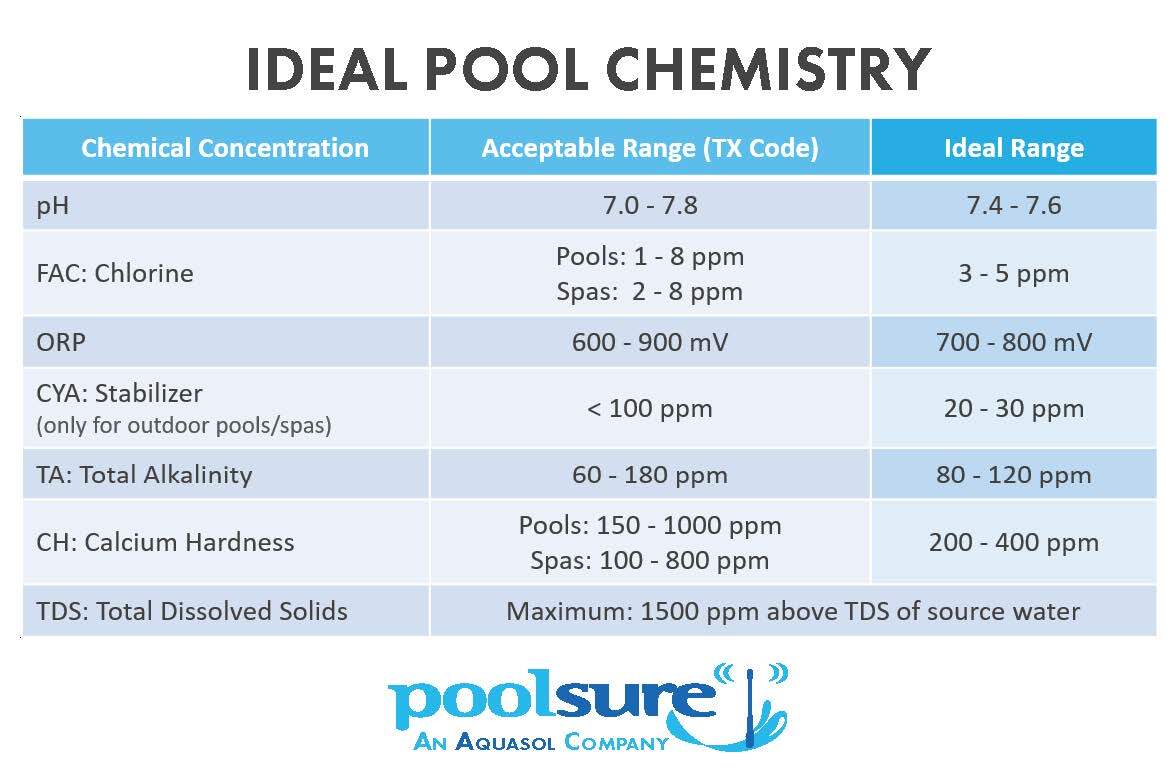
In plain English: alkalinity is your pool water’s ability to resist sudden changes in pH. Think of it as a shock absorber. Without enough of it, your pH will bounce around like a toddler on a sugar high—one day too acidic, the next day too basic. (And nobody wants to swim in a pool that’s basically lemon juice or drain cleaner, right?) Alkalinity is measured in parts per million (ppm), and the sweet spot is usually between 80 and 120 ppm. Keeping it there is like giving your pool a chill pill.
The silent hero: why high alkalinity saves you money
Let’s be real: maintaining a pool is already a small part-time job. If you let alkalinity drop, you’ll be dumping pH increaser or decreaser every other day like it’s a hobby. That gets expensive fast. When your alkalinity is dialed in, the pH practically takes care of itself. You’ll also notice your chlorine works more efficiently—meaning you need less of it to kill bacteria. Your wallet will thank you, and so will your skin (no more red eyes or bleached swimsuits).
Must Read
I told Dave to test his alkalinity first. He did—it was a sad 30 ppm. “No wonder your pH is doing gymnastics,” I joked. He added some alkalinity increaser (sodium bicarbonate, basically baking soda). Within 24 hours, the water clarity improved. It wasn’t magic; it was chemistry playing nice. The green tint faded because the chlorine could finally work without fighting pH swings.
The irony: too much of a good thing
Here’s where it gets funny. If you overdo the alkalinity—say, crank it above 150 ppm—you’ll hit a different wall. High alkalinity makes your pH stubbornly high, like a teenager refusing to leave their room. You’ll dump acid in, pH drops for a day, then bounces right back up. Annoying, right? That’s because alkalinity is a buffer: it resists change in both directions. The trick is balance, not extremes. Nobody wants to swim in water that feels like a chalky mineral bath either.
 What Causes Low Alkalinity In Salt Water Pool at Skye Fishbourne blog
What happens if you ignore it? (Spoiler: it’s gross)
Low alkalinity leads to corrosion. I’m talking about etched concrete, rusty ladder bolts, and cloudy water that smells like a public gym. Your pool equipment—pump, heater, filter—will age faster than a Hollywood starlet under harsh lighting. And your swimmers? Hello, red eyes and dry hair. High alkalinity, on the other hand, causes scaling—that white, crusty ring around your tiles that looks like dirty bathtub ring but way harder to scrub off. Either way, you lose.
That Dave? He now tests alkalinity every week like a ritual. He even bought a fancy digital tester. “I used to think pH was the boss,” he said. “Now I know alkalinity is the boss of the pH.” Smart guy. His pool stayed crystal clear all August, and the kids renamed it “Dave’s Blue Lagoon.”
 What Does Alkaline Do In A Pool at Maria Kring blog
How to fix it without losing your mind
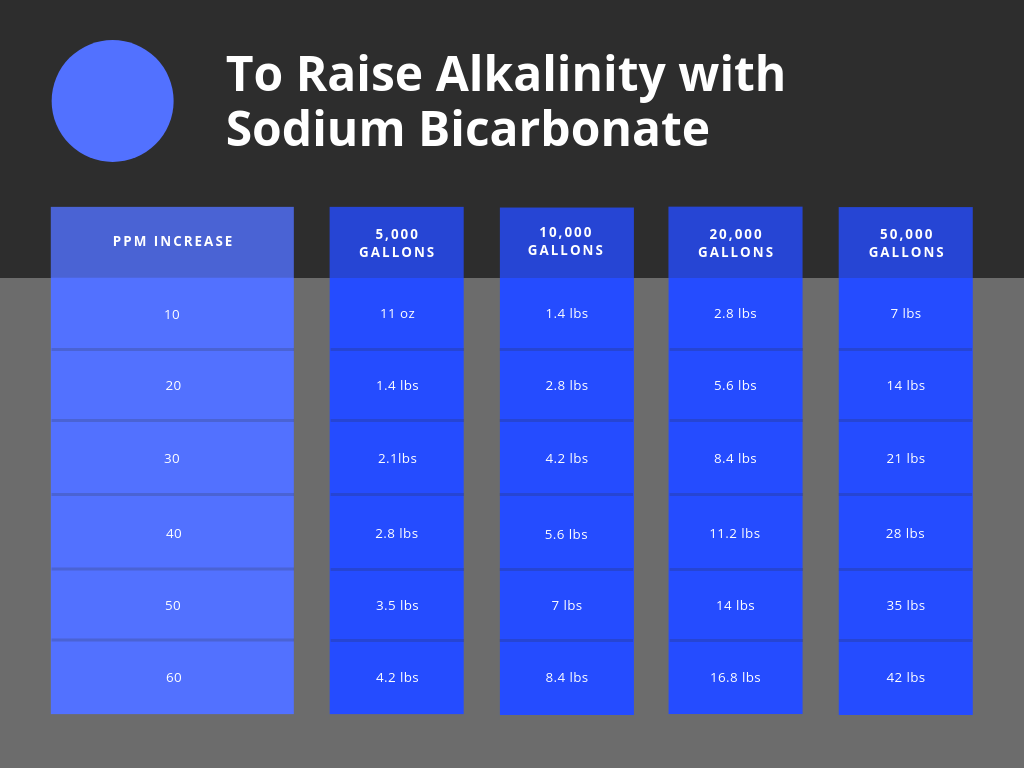
First, get a reliable test kit—liquid drops are more accurate than strips. Then, adjust alkalinity before you mess with pH. If it’s low, add sodium bicarbonate (baking soda) in small doses—about 1.5 pounds per 10,000 gallons to raise it by 10 ppm. Wait six hours and retest. If it’s high, add muriatic acid or sodium bisulfate, but go slow. Patience is your friend here. Rushing is how you turn your pool into a chemistry experiment you didn’t sign up for.
One last thing: the seasonal sneaky factor
Debate: does rain change alkalinity? Yes, and no. Heavy rain dilutes your water, which can drop alkalinity slightly. But if you have a cover, you’re fine. If not, test after a storm. Also, fill water from a hose can vary wildly—some tap water is already high in alkalinity. So don’t assume your baseline is perfect. Check it. Your pool doesn’t have a voice, but it will scream at you through green water and expensive repair bills.
So, to circle back to Dave’s swamp: alkaline is the unsung hero. It doesn’t get the glory of bright blue water or the smell of chlorine, but without it, your pool is just a wet disaster waiting to happen. Treat it right, and you’ll spend more time floating and less time fussing. And trust me, your happy hour by the pool will taste a lot better when you’re not staring at a pH meter every five minutes. Cheers to stable water—and lazy afternoons.
