What Does Reverse Osmosis Filter

So, you’ve heard the term “reverse osmosis” thrown around, and you’re thinking, “That sounds like something a mad scientist would do to a potato.” I get it. It sounds fancy an...
So, you’ve heard the term “reverse osmosis” thrown around, and you’re thinking, “That sounds like something a mad scientist would do to a potato.” I get it. It sounds fancy and complicated, but I promise, the idea is simpler than convincing a cat to take a bath. Let’s break down what reverse osmosis actually filters, in the most fun way possible.
The TL;DR: It’s Like a Bouncer for Your Water
Imagine your tap water is a rowdy nightclub full of different particles. You’ve got the cool water molecules who just want to have a good time, but then you also have the unwanted party crashers: dissolved salts, bacteria, and weird chemicals. Reverse osmosis (RO) is the super-strict bouncer at the door.
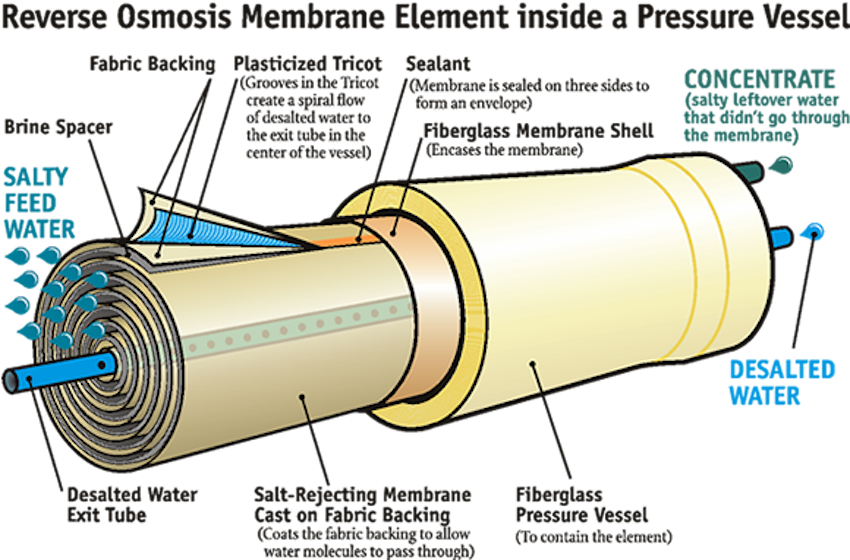
This bouncer uses a special membrane with tiny, tiny holes—so small that only water molecules can squeeze through. Everything else gets kicked to the curb. It’s not magic; it’s just physics being a total show-off.
Must Read
What Gets Filtered? The Villains List
Let’s start with the biggest bad guys. Reverse osmosis is a beast at removing dissolved solids. That includes things like sodium, calcium, and magnesium—the stuff that makes your water “hard” and leaves those annoying white spots on your glasses.
It also tackles heavy metals like lead, copper, and arsenic. Yes, the scary stuff you don’t want in your morning coffee. RO says, “Not today, lead. Not today.”
And don’t forget nitrates and sulfates. These often sneak in from agricultural runoff or old pipes. Your RO system treats them like uninvited guests who brought cheap wine.
The Microscopic Party Crashers
Now for the stuff you really can’t see. Reverse osmosis is a champion at filtering out bacteria and viruses. It’s like a microscopic bouncer with a magnifying glass and a very grumpy attitude.
It removes cyst parasites like Giardia and Cryptosporidium. Those little buggers can cause a very upset stomach, and RO says, “You’re not getting past this velvet rope, buddy.”
Even some dissolved organics and pesticides get the boot. If it’s a molecule bigger than a water molecule, it’s probably getting rejected. It’s surprisingly judgmental for a filter.
 Reverse Osmosis Filter Replacement And RO Membrane Guide (2026)
What It Doesn’t Filter (The Escape Artists)
Okay, let’s be real. No filter is perfect. Reverse osmosis has a few blind spots. It’s not great at removing dissolved gases like chlorine. That’s why most RO systems have a carbon filter before the membrane—to handle the chlorine first.
It also struggles with volatile organic compounds (VOCs) that are smaller than water molecules. Think of them as tiny, sneaky ninjas that slip through the cracks. Again, a good carbon pre-filter usually takes care of them.
And here’s the kicker: RO is so good at filtering that it removes healthy minerals too, like calcium and magnesium. That’s why some people add a remineralization stage to put the good stuff back in. It’s like a very thorough house cleaner who also throws away your favorite mug.
How It Actually Works (No Lab Coat Required)
Picture a sponge with pores so tiny you’d need an electron microscope to see them. That’s the RO membrane. Water is pushed through it under pressure. It’s not a gentle soak; it’s a forceful squeeze.
The pressure overcomes something called “osmotic pressure.” Don’t worry, that’s just a fancy way of saying, “The water is forced to leave its friends behind.” The clean water goes into a storage tank, and the rejected gunk gets sent down the drain.
A typical system uses three to five stages: a sediment filter, a carbon filter, the RO membrane, and often a polishing filter. It’s like a VIP line for your water, but with more plastic tubing.
Is RO Water “Dead” Water? (Spoiler: No)
You might hear people say RO water is “dead” or “demineralized.” That’s a bit dramatic. It’s simply purified water, like what you buy in a store, but without the plastic bottle and the guilt.
 Why Reverse Osmosis is the Better Choice for Clean Water – Go Lime
Yes, it lacks some minerals, but you get plenty of minerals from food. Eating a handful of almonds gives you more calcium than drinking a gallon of tap water. So, don’t fret.
In fact, many coffee snobs prefer RO water because it doesn’t mess with the flavor of their precious, single-origin beans. It’s the ultimate blank canvas for your hydration.
The Not-So-Fun Part (Let’s Keep It Real)
Reverse osmosis isn’t perfect. It produces a lot of waste water. For every gallon of clean water, you might send three or four gallons down the drain. It’s a thirsty process.
It also costs a bit more than a simple pitcher filter. You have to replace the filters and membrane every year or two. Think of it as a subscription service for amazing water.
But here’s the trade-off: you get water that’s crystal clear, odor-free, and incredibly consistent. Your ice cubes will look like diamonds, and your tea will taste like tea, not like a chemistry experiment.
So, the next time you take a sip of RO water, imagine all the things that almost made it into your glass, but got denied at the door. You’re drinking the VIP of H2O.
And honestly? That’s something to smile about. Cheers to you, your glass of perfectly boring, amazing, clean water, and the strictest bouncer in the universe.
