Why Does Water Taste Sweet To Me

You know that moment when you sip from a glass of water and it tastes unexpectedly, almost unnervingly, sweet? It’s not sugar water, but your tongue is throwing a tiny party....
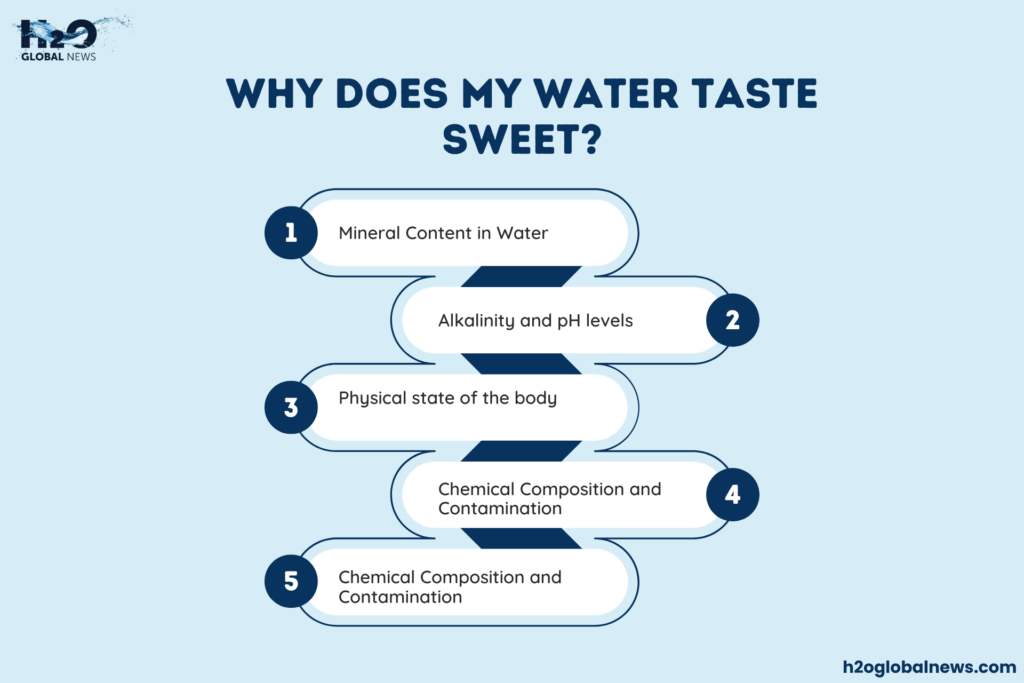
You know that moment when you sip from a glass of water and it tastes unexpectedly, almost unnervingly, sweet? It’s not sugar water, but your tongue is throwing a tiny party. This isn’t a glitch in your matrix; it’s a surprisingly common sensory phenomenon with roots in biology, habit, and even hydration.
Let’s get one thing straight: plain water doesn’t contain sugar, fructose, or any caloric sweetener. So when you taste sweetness, your taste buds are picking up on something else entirely—or more accurately, they’re reacting to a lack of something else. The most likely culprit is your own saliva.
The Saliva Shuffle and the Hydration Hack
Your mouth is constantly bathed in a complex cocktail of enzymes, electrolytes, and minerals. When you’re dehydrated, that cocktail becomes more concentrated, altering your baseline taste perception. Your brain essentially recalibrates its “zero point” for what neutral water should taste like.
Must Read
Take a long, cool drink when you’re parched, and the fresh water dilutes that concentrated saliva. Your tongue, suddenly free from the heavy baseline, registers the relief as a subtle, fleeting sweetness. It’s a biological reward system—your body saying “Good job, keep hydrating”.
A fun little fact: athletes often report sweet-tasting water after intense exercise. It’s not the water; it’s the dramatic shift in oral chemistry. Your mouth’s pH and mineral balance have a surprisingly dramatic effect on how water tastes to you.
When Your Nose Gets Involved
Your sense of smell is a massive partner in how you perceive taste. The olfactory system can play tricks on the tongue. If you’re in an environment with specific mineral odors—like the faint, metallic scent of a new pipes or a clean glass—your brain might interpret that signal as a hint of sweetness.
It’s similar to how vanilla extract smells sweet even though it contains zero sugar. Water isn’t tasteless; it carries trace minerals like calcium and magnesium, which can trigger sweetness receptors on your tongue. Hard water, in particular, is more likely to produce this effect than soft, distilled water.
A cultural note: in Japan, certain mineral waters are prized for a flavor called “mizu no aji” or “the taste of water,” which connoisseurs describe with floral and slightly sweet notes. You might just have a refined palate.
The Reset Button and Medical Curiosities
Sometimes, that sweet taste is your taste buds resetting after a strong flavor assault. Have you ever eaten something intensely sour, bitter, or spicy, and then water tasted like candy? That’s cross-adaptation in action. Your taste receptors become temporarily fatigued, and water seems sweeter by contrast.
 Possible Causes of Sweet-Tasting Water - Jug Free
It’s the same mechanism that makes an orange taste sweeter after you eat a lemon. Your taste buds are basically overcorrecting. A practical tip: if your tap water suddenly tastes sweet, check if you’ve recently brushed your teeth, used mouthwash, or eaten citrus.
On a rare note, a persistent sweet taste in water can be linked to certain medical conditions. Gestational diabetes or changes in blood sugar regulation can alter taste perception. But for 99% of people, it’s a benign, fleeting quirk—a little sensory hiccup that makes hydration feel like a treat.
Practical Tips for the Sweet-Water Seeker
If you enjoy this phenomenon, chase it! Drink cold water when you’re moderately dehydrated, like first thing in the morning. Cold temperatures can actually suppress bitterness and highlight any subtle sweetness present in the water itself.
Experiment with different water sources. Try a high-mineral spring water, a filtered tap, and a distilled bottle side-by-side. You might find that one brand consistently tastes sweeter to you than others. That’s your personal water profile—your own signature hydration style.
A fun fact: some people report that water tastes sweetest when drunk from a glass versus a plastic bottle. The surface chemistry of the material can interact with your lips and tongue, altering the perceived flavor. So ditch the plastic and go for a classic tumbler.
The Science of Satisfaction
There’s also a psychological component. If you believe water is going to taste good, your brain primes your taste receptors to find pleasure in it. This is the placebo effect of hydration. Your brain releases a tiny hit of dopamine when it anticipates a reward, and that positive signal can be interpreted as sweetness.
It’s your body’s way of tricking you into doing something healthy. Evolutionarily, sweetness was a signal for safe, energy-rich food. By borrowing that signal for water, your body ensures you keep drinking the most essential nutrient on earth.
 Why Does My Water Taste Sweet?
A cultural reference: think of the Japanese tea ceremony, where the focus is on the purity of water. In that ritual, water is not neutral; it is a blank canvas for mindfulness. Sometimes, the sweetness is just the joy of being fully present with your drink.
When to Pause and Check
While generally harmless, if that sweet taste becomes constant, metallic, or accompanied by other symptoms like dizziness or a dry mouth, check in with a doctor. It can rarely signal a neurological shift or a change in your metabolic health. But usually, it’s just your body being quirky.
A practical tip: keep a small journal. Note when water tastes sweet—after a run, in the morning, or after a meal. Patterns reveal the cause. You might discover you’re a “sweet water” person after certain foods, which is a fun little fact about your own biology.
The simplest test: wait an hour after eating, drink a glass of plain room-temperature water. If it’s still sweet, your mouth is just being friendly. If it’s bitter, you might be a supertaster, a group of people who experience flavors—including water—with unusual intensity.
Super-tasters are about 25% of the population, and they often describe water as having a stronger, sometimes sweetish, taste. You might just have a genetically heightened palate.
A Short Reflection
Water tasting sweet is a gentle reminder that even the most ordinary things are layered with mystery. That glass of tap water isn’t just H2O—it’s a conversation between your biology, your environment, and your attention span. It’s a tiny, free luxury that appears when you need it most.
Next time you feel that unexpected sweetness, pause. It’s your body’s way of saying “You did good. Keep going.” In a world that often feels complex and overwhelming, sometimes the sweetest thing is just a simple, clean drink of water. Drink up, and enjoy the small miracles.
