When Does The Hosepipe Ban Start

You’re watering your hydrangeas on a balmy Tuesday evening, and a neighbor casually drops the bomb: “Hosepipe ban starts next week, you know.” Suddenly, that peaceful garden v...

You’re watering your hydrangeas on a balmy Tuesday evening, and a neighbor casually drops the bomb: “Hosepipe ban starts next week, you know.” Suddenly, that peaceful garden vibe feels a little less serene. Don’t panic. We’re here to walk you through the when, why, and how to survive this thirsty season with your sanity—and your lawn—intact.
First, the burning question: When does the hosepipe ban start? The truth is, it depends entirely on where you live. In the UK, water companies like Thames Water, Southern Water, and Welsh Water announce their bans separately based on local reservoir levels, so there’s no single national “D-Day” for your garden hose.
Typically, bans kick in during late spring or early summer, after a dry winter or a heatwave has drained supplies. For 2025, some regions are eyeing June, while others might hold off until July’s mercury spikes. Always check your water supplier’s website—they’re surprisingly good at updating their Twitter feeds with dramatic reservoir photos.
Must Read
Here’s a fun little fact: the hosepipe ban isn’t a modern invention. The first recorded restriction in the UK was in 1976, during the infamous drought that brought standpipes to the streets and turned gardens into dust bowls. Back then, people carried buckets from their bathtubs to save their roses—so your situation could be a lot worse.
Culture-wise, think of the hosepipe ban as the British version of a summer rite of passage. It’s right up there with airport delays and arguing about the best way to apply sunscreen. In California, they call it “drought shaming”; in Australia, it’s just Tuesday. We Brits prefer to handle it with stiff upper lips, tea, and a lot of passive-aggressive notes to neighbors.
What Exactly Is Banned?
It’s not just your garden hose. The law typically covers any pipe that delivers water from your mains supply—so sprinklers, pressure washers, and even those fancy irrigation systems with timers are off-limits. Yes, that includes your beloved car-washing Sunday ritual.
But here’s the loophole you’ll love: watering cans, buckets, and (controversially) a full watering can are perfectly fine. So you can still nurture your prize-winning tomatoes; you just need to channel your inner Victorian gardener and do the work yourself. Think of it as free upper-body exercise.
A common myth is that the ban applies to all outdoor water use. Not true—hosing down patios or filling a kiddie pool with a bucket is allowed, as long as you don’t use a hose connected to the mains. And if you have a well, a borehole, or a rainwater butt, you’re basically a water rebel. Rock on with your eco-friendly self.
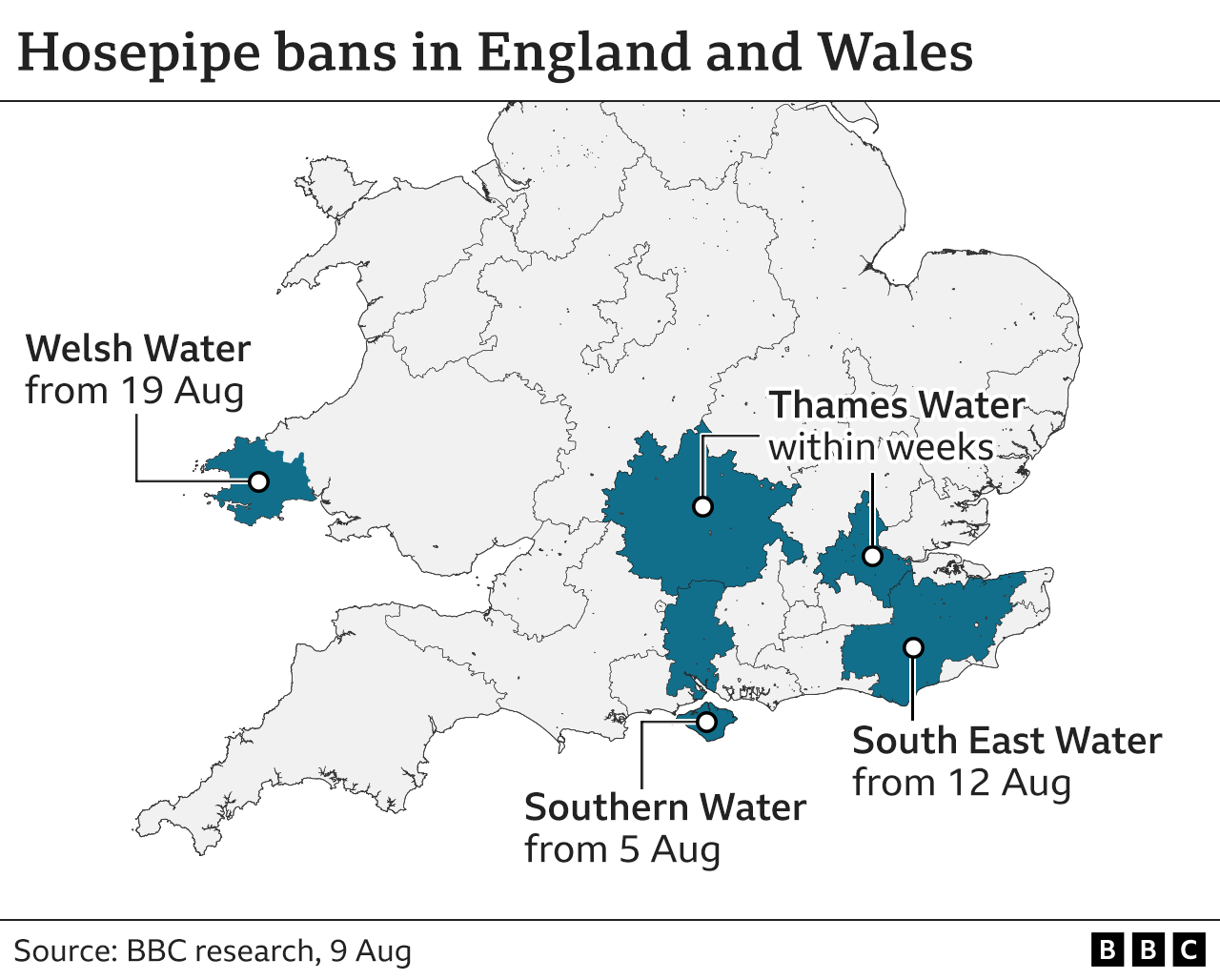 Thames Water plans to introduce hosepipe ban 'in weeks' - BBC News
Practical Tips for Surviving the Ban
Start mulching yesterday. A thick layer of bark or compost around your plants locks in moisture and keeps your soil cool, meaning you’ll need to water half as often. It’s the gardening equivalent of putting a lid on a boiling pot—simple but game-changing.
Invest in a rainwater butt—seriously, it’s the MVP of hosepipe ban season. Position it under your gutter, and after one good downpour, you’ll have enough water to keep your petunias happy for a week. Plus, it’s a conversation starter when friends see you showering your roses with “free” water.
Water your plants in the early morning or late evening. If you water at noon, most of it evaporates into the atmosphere before your plants get a sip. This isn’t just a tip; it’s science. And it’s also a great excuse to sit in your garden with a cold drink at dusk.
If you have a lawn, let it brown out gracefully. Grass is surprisingly resilient—it’s not dead, just dormant. After the first autumn rain, it’ll bounce back like nothing happened. Embrace the golden straw aesthetic; your neighbors might start a new trend.
The Cultural Side of the Hose
We have a strange relationship with the hosepipe ban. It’s frustrating, yes, but it also brings communities together. You’ll see WhatsApp groups buzzing with tips on water-sharing, and local garden centers hosting “drought-tolerant plant” workshops. Suddenly, everyone is an expert on succulents.
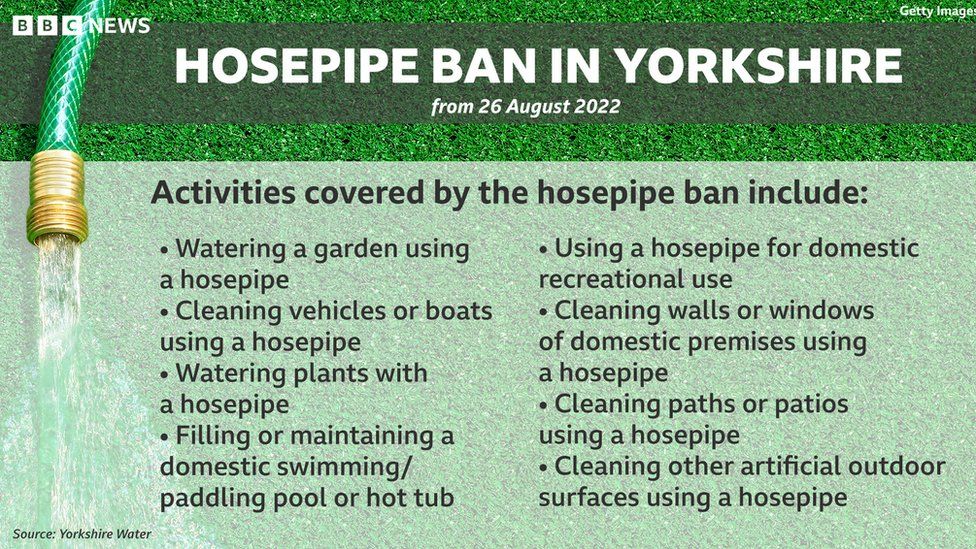 Yorkshire Water Hosepipe Ban End Date at Dustin Richards blog
Fun fact: the UK’s longest hosepipe ban lasted from 2010 to 2012 in parts of Wales. That’s two years of carrying buckets. People started using recycled bathwater (called “grey water”) on their gardens, which is actually great for plants—just skip the bubble bath if you want them to thrive.
On a lighter note, the ban has inspired some brilliant cultural moments. Think of the iconic Keeping Up Appearances episode where Hyacinth Bucket obsesses over her garden hose. Or the 2022 social media trend where people filmed themselves watering with teapots to stay “technically compliant.” British creativity at its finest.
The Exponential Flip
Here’s a shift in perspective: a hosepipe ban is actually a gentle nudge to reconnect with your garden. You’ll slow down, notice the dew on your fuchsias, and realize that a watering can session is a meditative moment—not a chore. You might even enjoy the ritual.
Think of it as nature’s way of reminding us that water is a luxury, not a given. Every drop you save today is a drop that keeps your local river flowing tomorrow. It’s a small sacrifice for something genuinely precious.
So, when does the hosepipe ban start? Check your supplier’s site, mark your calendar, and then relax. You’ve got your watering can, a stack of buckets, and a good playlist. Summer will still be beautiful—just a little more elbow grease required.
Final reflection: In a world of deadlines and fast passes, a hosepipe ban invites you to slow down. To pour water with intention, to listen to the earth’s quiet whisper. Your garden doesn’t need a torrent—it needs your presence. And really, isn’t that what we’re all craving anyway?
