Does Hydrogen Peroxide Sterilize

So, you’ve got a bottle of hydrogen peroxide under your bathroom sink, and you’re wondering if that fizzy stuff actually nukes germs, or if it’s just pretending to be tough. L...
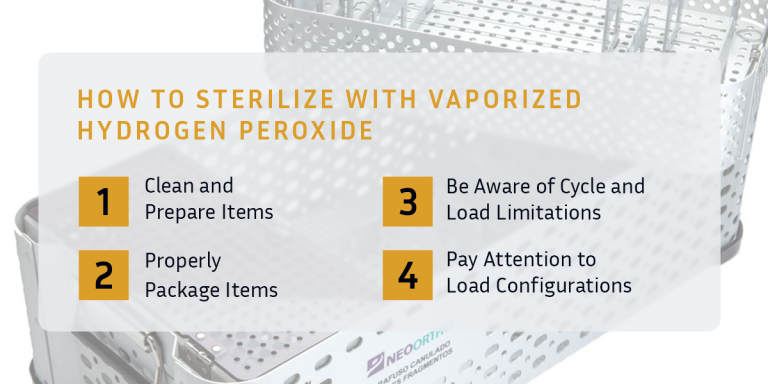
So, you’ve got a bottle of hydrogen peroxide under your bathroom sink, and you’re wondering if that fizzy stuff actually nukes germs, or if it’s just pretending to be tough. Let’s clear the air, because this stuff has serious ‘90s dad energy—it wants to be useful, but it’s kind of awkward about it. Spoiler alert: yes, it can sterilize, but only if you treat it with the respect it does not deserve.
The Mad Scientist In A Bottle
Hydrogen peroxide is basically water with an extra oxygen atom that’s super unstable and cranky. When it touches bacteria, that extra oxygen goes ballistic like a hangry toddler in a toy store, ripping apart cell walls and membranes. The bubbling you see? That’s the oxygen gas escaping after it trashes the germs—proof of the crime scene.
But here’s the kicker: that bubbly show only lasts a few seconds. Once the fizz stops, your peroxide has basically retired to become plain old water. So if you’re using it on a cut, you’re essentially paying for a tiny, violent fireworks display, followed by a wet handshake.
Must Read
Does It Actually Sterilize? (Or Is It A 1990s Myth?)
Yep, it can sterilize—but only at a very specific concentration and with enough contact time. The typical 3% solution you buy at the drugstore is great for cleaning minor wounds and killing bacteria on surfaces, but it’s not a magic ray gun. To actually sterilize something (like medical equipment), you need a 6-10% solution and a solid 30-minute soak. That’s like waiting for your online order to arrive—tedious and slightly annoying.
Surprising fact: hydrogen peroxide is terrible at killing some hardy spores, like those of anthrax or tetanus. So if you’re planning to use it on a rusty nail wound, you might want to also call a doctor and maybe apologize to your tetanus shot.
The “Ouch” Factor: Why It Burns Like A Jerk
Pouring peroxide on an open cut feels like a tiny army of fire ants with pitchforks. That’s because it’s not just killing bacteria—it’s also damaging your own healthy cells in the process. Your body’s cells have an enzyme called catalase that breaks down the peroxide into water and oxygen, but that reaction produces heat. So you’re basically getting a micro-sauna on your boo-boo, which explains the screaming.
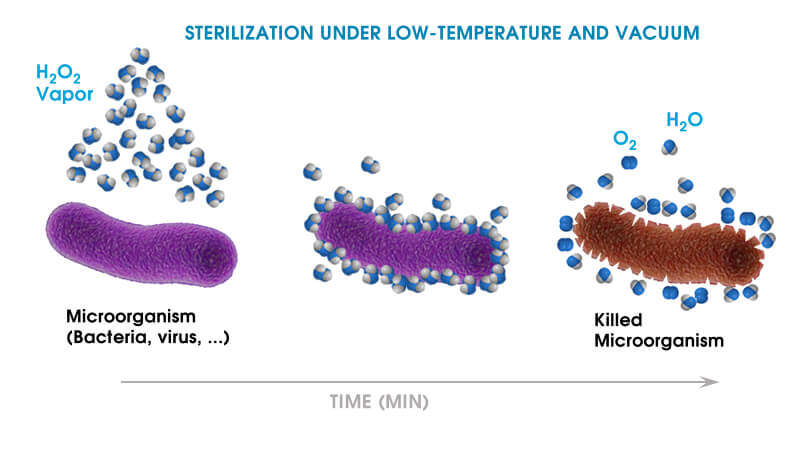 Hydrogen Peroxide Gas Plasma Sterilizers - Eryiğit Medical Devices Inc.
Because of this, many doctors now say don’t use it on fresh wounds. It can delay healing by wrecking the good guys (your skin cells) while it’s busy blowing up the bad guys. Stick to soap and water for cuts, and save the peroxide for your cleaning caddy.
The Kitchen Counter Showdown
Now, if you want to kill germs on your countertops, hydrogen peroxide is a solid sidekick. It’s a powerful oxidizer that can smash up viruses and bacteria without leaving a toxic residue like bleach. Just spray it on, let it sit for at least five minutes (no, not three—five, you impatient goblin), then wipe. Bonus: it’s color-safe on fabric, so if you accidentally spray your shirt, you just look like you fought a ghost.
But here’s the wild part: hydrogen peroxide is unstable in sunlight. Leave that bottle on a sunny windowsill, and it slowly turns into water within a few weeks. So store it in a dark cabinet, like a vampire’s snack stash.
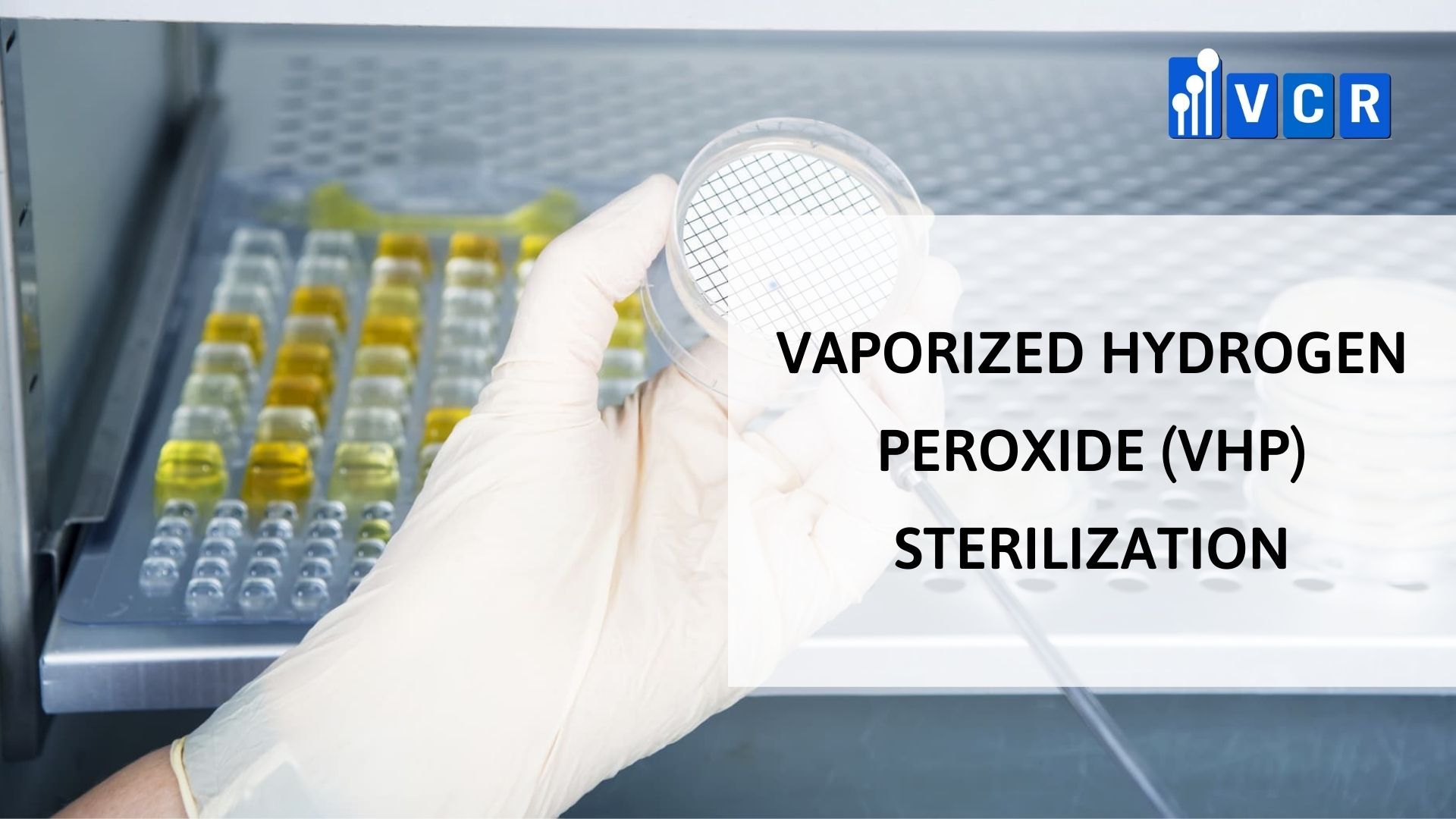 What Is Vhp Sterilization – There’s a Newer, Safer Way to Sterilize
The “Miracle Cleaner” Myth
Some influencers claim hydrogen peroxide can whiten teeth, remove earwax, and cure the common cold. Let’s pump the brakes. Yes, it can whiten teeth slightly, but it also burns your gums and makes your mouth taste like a swimming pool. Earwax? Please do not pour it in your ear—you’ll just create a fizz bomb that could damage your eardrum. And no amount of peroxide can kill the cold virus inside your body, because your blood instantly neutralizes it.
So the next time someone tells you to drink peroxide for “gut health,” resist the urge to laugh in their face, and instead say, “I’d rather stick my head in a blender.” Seriously, never drink it—it can cause internal bleeding, vomiting, and a trip to the ER that your insurance will not find funny.
The Bottom Line (And Your Grandma’s Advice)
Hydrogen peroxide is a decent sterilizer for surfaces and tools, but it’s not the miracle worker your grandma’s medicine cabinet made it out to be. Use it on countertops, cutting boards, and tweezers, but skip the ouchie applications. And remember: the fizz is mostly show, like a firecracker with a short fuse. It works, but it’s not the hero of the story—you are, by washing your hands and not being an idiot.
So go ahead, keep that brown bottle under the sink. It’ll fizz with pride when you need it, and when it doesn’t—well, it’s just water with a failed career plan. And that’s a joke we can all relate to.
