What Does A Billing Address Mean

Picture this: you’re buying a giant, inflatable T-Rex costume online. It’s 3 AM, you’ve had one too many nachos, and the checkout page asks for your billing address. Suddenly,...
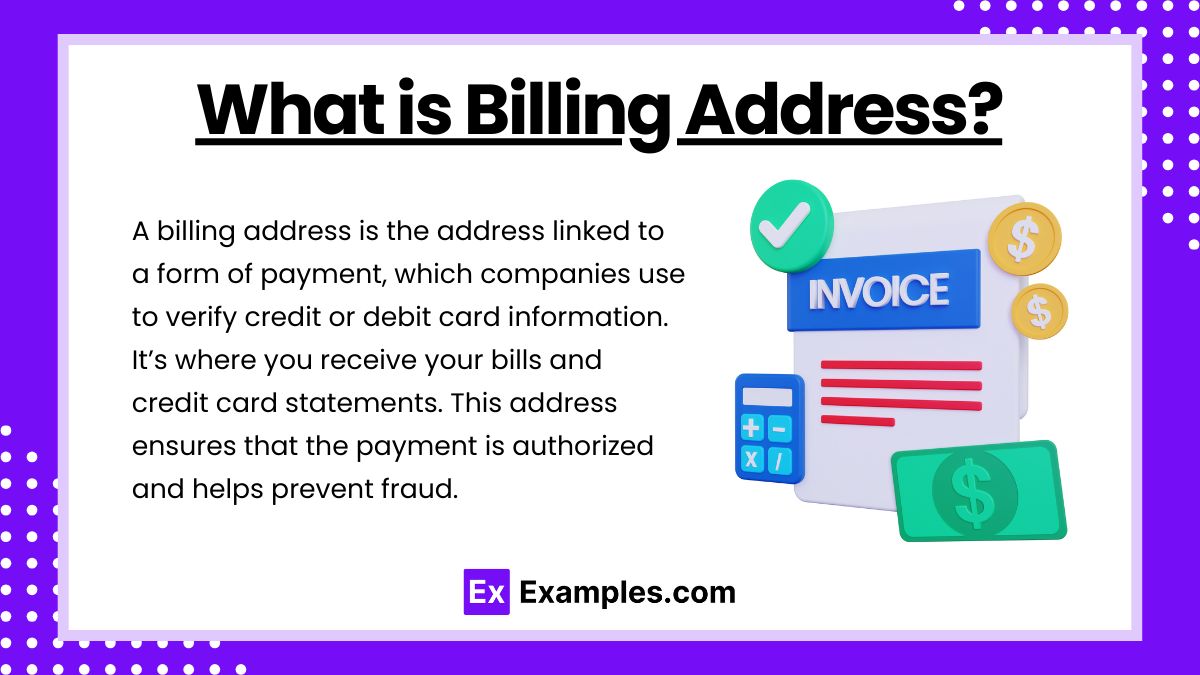
Picture this: you’re buying a giant, inflatable T-Rex costume online. It’s 3 AM, you’ve had one too many nachos, and the checkout page asks for your billing address. Suddenly, your brain freezes. Is it the place where you live? The place where your mail goes to die? Or the address of that one pizza place you swear is a bank?
Relax, my friend. You are not alone in this existential crisis. A billing address is simply the address linked to your payment method. Think of it as the official home address of your credit card or bank account. It’s where the plastic “lives,” even if you, the human attached to it, are currently couch-surfing in a Hawaiian shirt.
Why Does This Digital Nanny Care So Much?
Here’s the boring but crucial truth: banks and card companies are paranoid. They use your billing address to make sure you are actually you, and not a mischievous raccoon who stole your wallet. When you enter an address that matches their records, they think, “Ah, yes, the rightful owner of this Visa card. Let them have the inflatable dinosaur.”
Must Read
But if you type in the wrong one? Boom. The transaction gets rejected faster than a dad joke at a hipster concert. The system is essentially a digital bouncer, and your billing address is the secret handshake. Get it wrong, and you’ll be crying into a pile of undelivered neon flamingos.
The Great Shipping vs. Billing Confusion
This is where most people’s brains turn to scrambled eggs. Your shipping address is where the actual package goes—maybe your office, a friend’s house, or a secret bunker. Your billing address is where the bank thinks you pay your taxes. They can be completely different places, and that’s perfectly fine.
For example, you can have a shipping address in Tokyo (if you’re sending a gift to your ninja pen pal) while your billing address is still a dusty apartment in Kalamazoo. The bank doesn’t care where the package goes. It just wants to know if the card’s official home matches what you typed. It’s like the bank is your mom asking, “Is this really your room?” while you’re clearly renting a submarine.
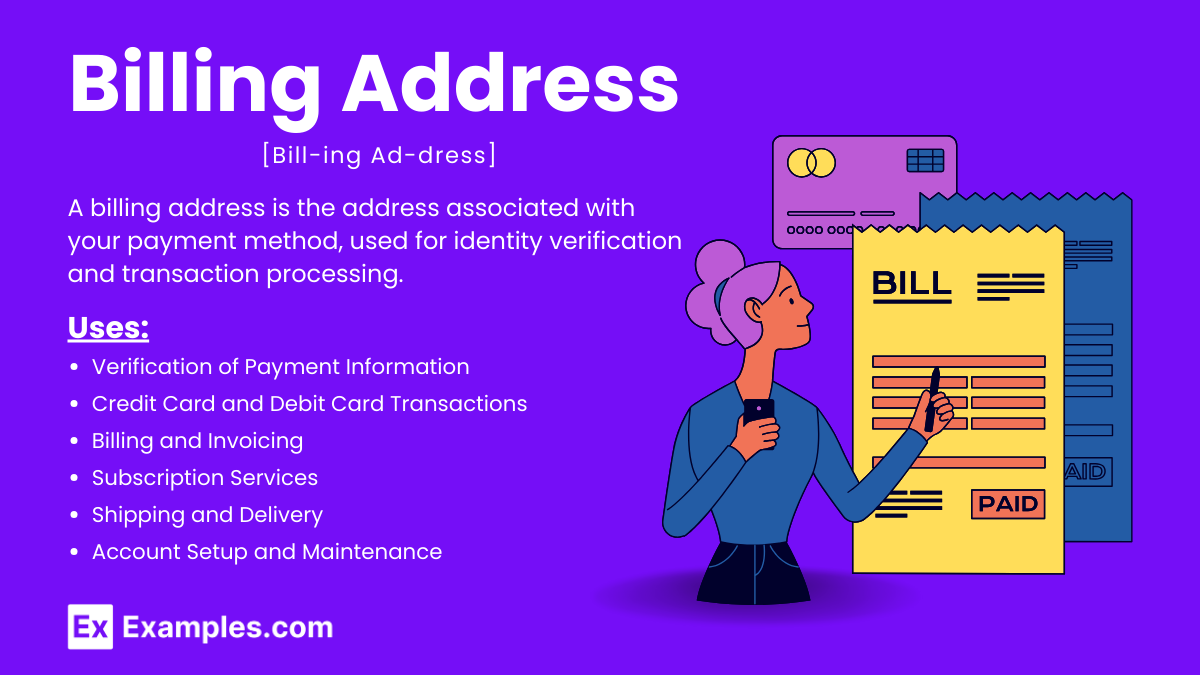 Billing
What Happens If You Ignore This Ancient Law?
Let’s say you move to a new house but forget to update your billing address with your bank. You try to buy a 50-pound bag of gummy worms. The system checks your new address against the old one on file—in a split second, chaos erupts. The transaction is denied. The website calls you a fraudster. You are now flagged as a potential gummy-worm terrorist.
But the real surprise? This rule applies even if you use PayPal, Apple Pay, or mysterious cryptocurrency. Those services also keep a billing address on file, often the one you used when you first signed up. So yes, your 2009 college dorm address might still be haunting your purchases today. Nothing says “adulting” like having your bank question a $4 coffee because you moved three states away.
Surprising Fact: The “CVV” Has a Secret Life
You know that three-digit code on the back of your card? That’s the CVV, and it works with your billing address to form a super-team of security. In fact, the address and CVV together create a “card-not-present” verification dance that’s been around since the 1990s. Without it, online shopping would be as safe as handing your credit card to a seagull.
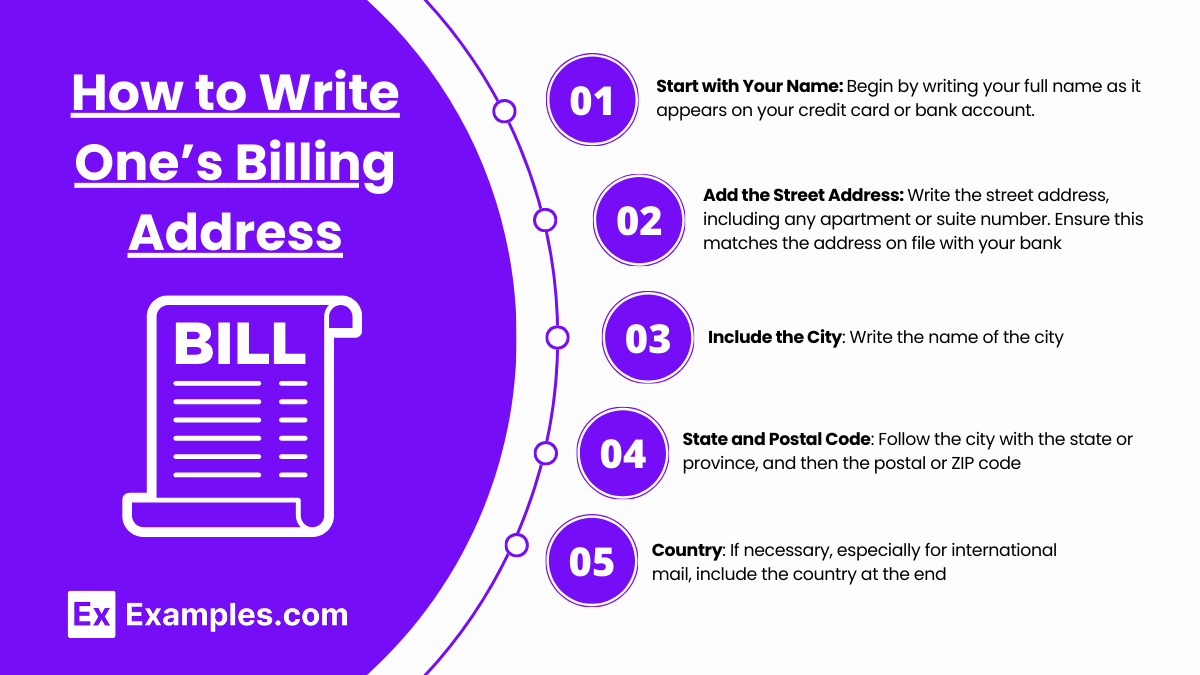 25+ Billing Address Examples | Examples.com
And here’s a wild stat: over 68% of online fraud attempts are stopped by mismatched billing addresses. So even though it’s annoying to dig through your sock drawer for your last bank statement, that little bit of data is saving you from a world of hurt (and possibly a life of crime involving flamingos).
The Bottom Line (And It’s Not Printed on a Receipt)
So next time you’re sweating over a billing address field, remember: it’s just your card’s home address. Update it when you move, keep it the same as what the bank has, and never type “123 Fake Street” unless you want to experience a mini heart attack and a denied order. It’s a simple, stupid, automated gatekeeper that keeps the internet from becoming a Wild West of stolen blow-up dinosaurs.
And if all else fails? Just use the address of the coffee shop where you’re reading this. Just kidding—don’t do that. Your T-Rex costume waits for no one, but it does wait for the correct billing address. Now go forth, shop wisely, and may your mail never smell like regret.
