Reverse Osmosis How Does It Work

Okay, grab your mug. Let’s talk about something that sounds like a science fair project gone wild: reverse osmosis. Or, as I like to call it, the magical process that makes yo...

Okay, grab your mug. Let’s talk about something that sounds like a science fair project gone wild: reverse osmosis. Or, as I like to call it, the magical process that makes your tap water taste less like a swimming pool. It’s basically water’s version of boot camp.
So, What’s the Big Deal?
First, a tiny confession. I used to think “osmosis” was just a fancy word for “something that happens to fish.” Not quite. In normal osmosis, water moves naturally from a diluted area to a concentrated one. Think of a plump grape turning into a raisin. Nature is chill like that.
But reverse osmosis? That’s the rebel. It shoves water backwards, from a concentrated mess to a pure state. It’s like teaching a river to flow uphill. Spoiler: you need a ton of pressure to pull that off—and a very stubborn filter.
Must Read
The Secret Weapon: A Really Fancy Membrane
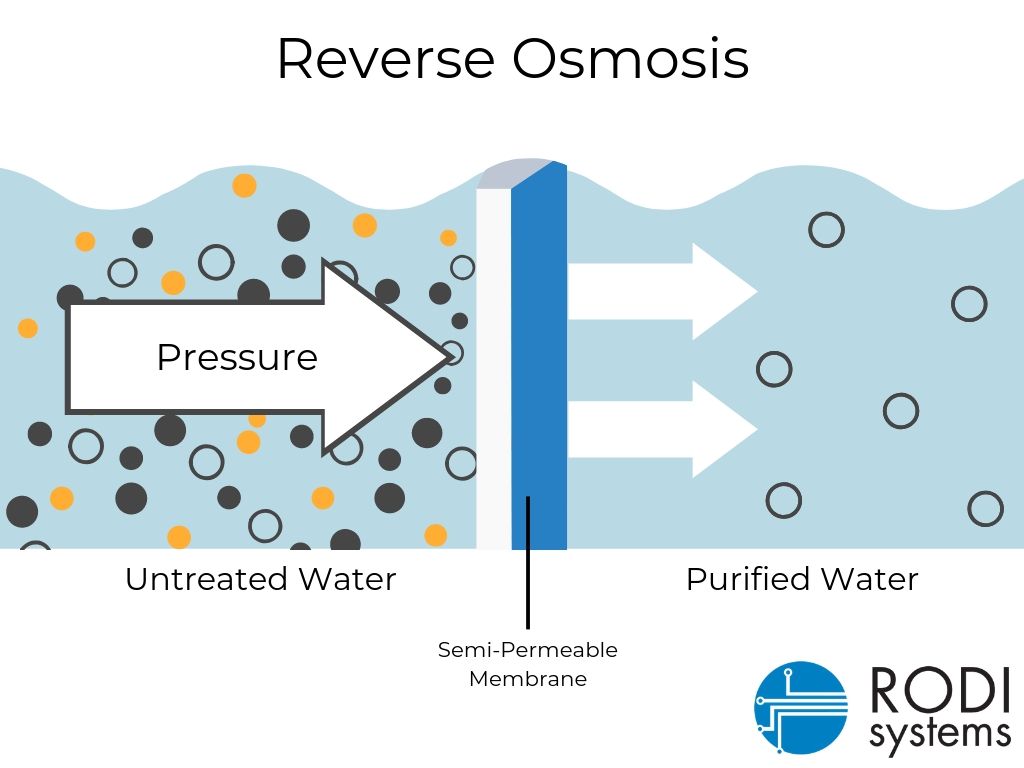
Here’s the heart of the operation: a semi-permeable membrane. I know that sounds like something from a robot’s laundry list, but stay with me. It’s a thin, plastic-like sheet with teeny, tiny holes. We’re talking microscopic. Only water molecules get the VIP pass.
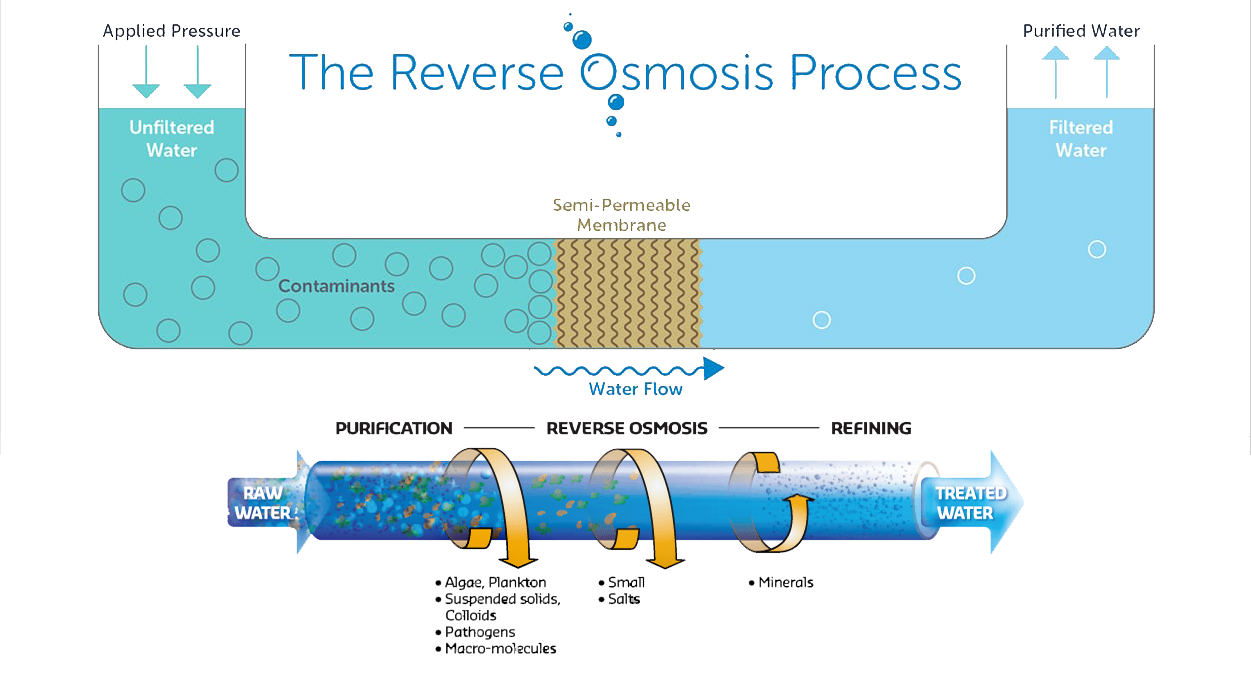
Everything else—salt, lead, fluoride, that weird mineral taste, even some bacteria—gets blocked. It’s the bouncer at the world’s strictest nightclub. “Sorry, Mr. Chlorine. You’re not on the list.” And the water? It squeezes through like a ninja.
How the Heck Does That Happen?
Imagine you’ve got two cups of water. One is pure, the other is salty. In regular osmosis, water from the pure cup naturally tries to dilute the salty one. Reverse osmosis laughs at that. It uses a pump (or your home’s water pressure) to force the salty water against the membrane.
The pressure is key. You need enough oomph to overcome nature’s lazy tendency. Think of it like trying to squeeze toothpaste out of a tube that’s already empty. Except the “toothpaste” is dirty water, and the “tube” is a million-dollar polymer sheet. Fun, right?
 What Is Reverse Osmosis And How Does It Work How Reverse Osmosis Works
Only the purest water passes through. The rejected junk—the concentrated brine—gets flushed away. That’s why RO systems have a little drain tube. It’s the system’s way of saying, “I don’t need your salt, thank you very much.”
What Does It Actually Remove?
Everything nasty. Seriously. Reverse osmosis is a total snob about impurities. It strips out:
• Heavy metals (lead, copper, mercury).
• Dissolved solids (the stuff that makes hard water “hard”).
• Pesticides and herbicides (yikes).
• Fluoride (if that’s your thing, skip this filter).
• Even microplastics (the uninvited guests in our tap water).
But here’s the kicker: it also removes good minerals like calcium and magnesium. So your water comes out kind of… naked. Some people add a remineralization filter afterward. Or they just drink it plain and pretend they’re sipping cloud juice. No judgment.
Is It Worth the Hype?
Let’s be honest: no system is perfect. Reverse osmosis is slow. Like, “watch paint dry” slow. It also wastes a surprising amount of water—usually 3 to 4 gallons of reject water for every 1 gallon of clean water. Ouch.
 What Is Reverse Osmosis And How Does It Work
But you know what? The taste is wildly good. It’s like the difference between a loud, crowded party and a silent library. Your tea tastes better. Your ice cubes are crystal clear. And you never have to buy bottled water again. (Your wallet will high-five you.)
The Big Question: Do You Need One?
Not everyone does! If your tap water already tastes decent and your city’s report is clean, skip it. But if you live somewhere with funky well water, or you’re paranoid about forever chemicals (PFAS), RO is your best friend. Just know it’s a commitment. You’ll need to change filters every 6–12 months. And that membrane? It lasts 2–3 years if you’re nice to it.
Also, a heads-up: there’s no such thing as “zero water.” Even RO systems leave trace amounts of stuff. But it’s 99% clean. That’s the closest you’ll get to drinking rain that’s been filtered by a unicorn.
So, What’s the Verdict?
Reverse osmosis is basically a high-pressure bully that forces water to behave. It’s not magic—it’s physics and a little bit of stubborn engineering. But for the price of a fancy coffee machine, you can have the clearest, crispest water in your neighborhood.
And hey, if nothing else, it’s a great conversation starter at parties. “Did you know my water goes through reverse osmosis?” You’ll either impress people or make them roll their eyes. Either way, you’ll be hydrated. Cheers!
