How Does Private Well Water Work

Let’s be honest, most of us don’t think twice about where our tap water comes from. You just turn the handle, and magic happens, right? But if you live in a house with a priva...
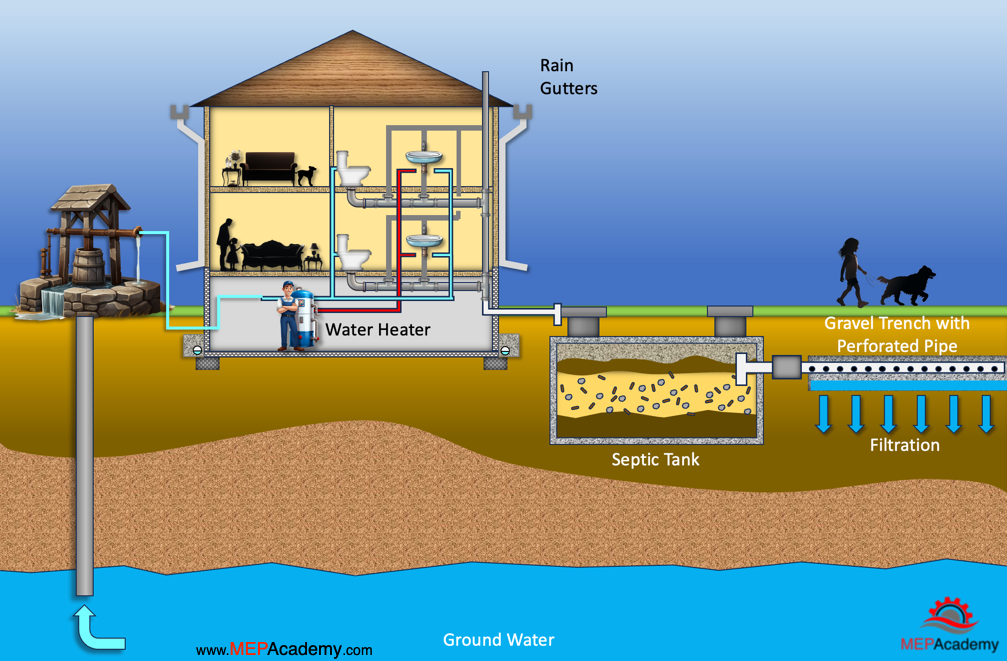
Let’s be honest, most of us don’t think twice about where our tap water comes from. You just turn the handle, and magic happens, right? But if you live in a house with a private well, that magic is actually a pretty cool little system happening right in your backyard.
It's More Like a Straw, Not a Magic Trick
Imagine your home is sitting on top of a giant, natural sponge called an aquifer. A private well is basically a really, really long straw that pokes down into that sponge. But unlike a regular straw, this one has a pump at the bottom that works hard to push the water up to you.
When you turn on your kitchen faucet, that pump below your feet kicks on. It pulls the water up through the pipe, past your water tank, and straight to your glass. It’s so seamless that you’d never know the hard working machine under your yard is doing all the lifting.
Must Read
That Big Blue Tank in Your Basement Isn't for Show
Remember that tall, blue or green tank that stands in your basement or garage? That’s your pressure tank. Think of it as the “water battery” for your house. It stores a little bit of water under pressure so the pump doesn’t have to turn on and off every single time someone flushes the toilet.
If it weren’t for that pressure tank, your pump would run for just a second, stop, run again, stop—wearing itself out before lunch. The tank keeps everything calm and steady, so you get a smooth stream of water instead of a sputtering, angry drizzle.
Wait, Does the Water Clean Itself?
Here’s the thing about that aquifer sponge: it does a decent job of filtering out big stuff like dirt and rocks. But it doesn’t filter out everything. That’s where you come in. Unlike city water, there’s no municipal plant treating your water for you. It’s all on you and your trusty filtration system.
You might have a simple sediment filter to catch sand, or a whole-house system that removes iron or sulfur (that’s the smell of rotten eggs). For the fridge water or the drinking faucet, many folks install a reverse osmosis system under the sink. It’s like giving your water a spa day before it hits your morning coffee.
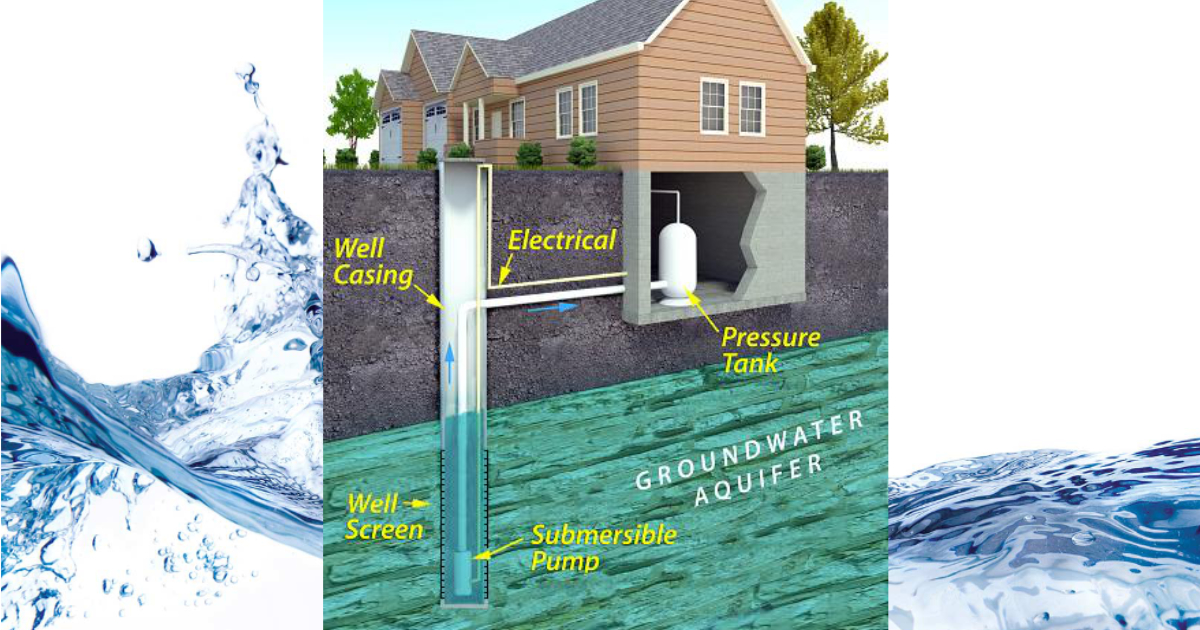 Residential Well Water System Diagram Water Supply Of A Private House
Remember that time your neighbor’s water tasted a little like pennies? That’s usually just a mineral imbalance—annoying but easy to fix with the right filter.
The “Ick” Factor: Why You Should Care About Testing
Testing your well water isn’t just a chore; it’s the single most important thing you can do. City water gets tested daily by professionals. Your well water? It only gets tested if you remember to do it. And it’s not just about taste—it’s about safety.
Think about it: after a heavy rain, surface water can seep into your well. If you have a cute little frog pond next to your garden, bacteria from that can end up in your drinking water. That’s why experts say you should test for coliform bacteria and nitrates at least once a year. It’s cheap, it’s easy, and it beats the alternative (trust me, you don’t want to learn about e. coli the hard way).
What Happens When the Power Goes Out?
Here’s a fun fact that trips up new well owners: no power = no water. If the electricity goes out, your pump doesn’t run. You still have water sitting in your pipes and in your pressure tank, but once that’s used up, you’re dry until the lights come back on.
That’s why people who live on wells often keep a few jugs of water in the pantry for emergencies. And if you’re really fancy, you might have a generator just for the well pump. It’s not a luxury—it’s survival mode during a snowstorm.
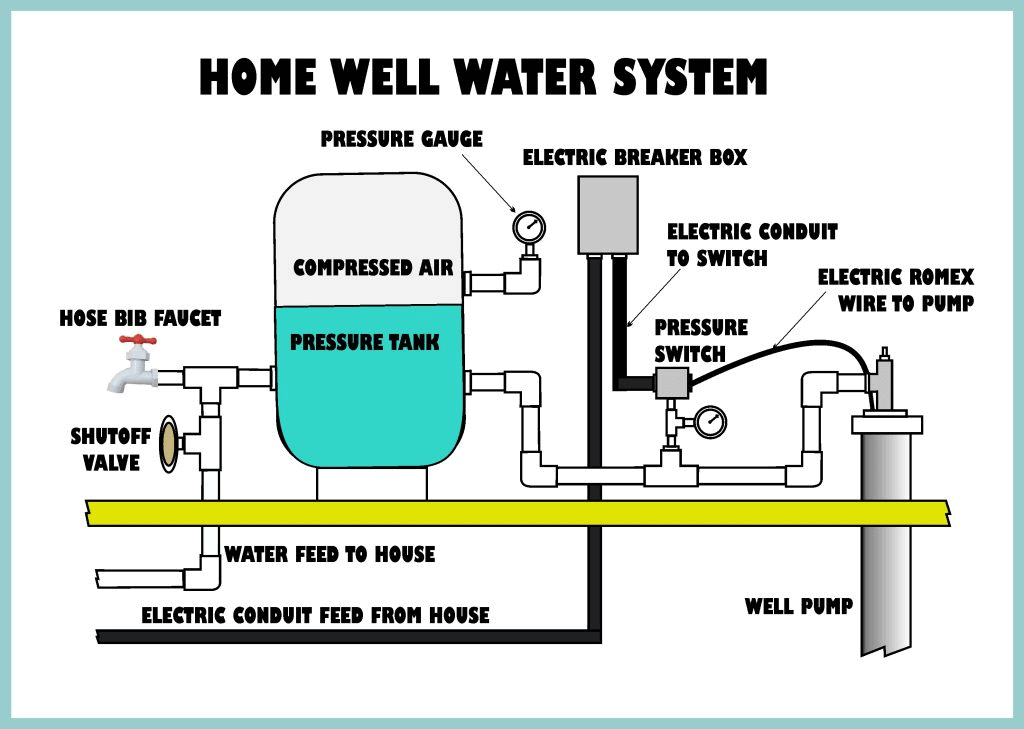 How Does Well Water Work: The Science Behind Water Wells
The Upside? You’re the Boss of Your Water
Okay, enough with the warnings. The best part of private well water is that you control the quality. You get to decide if you want a little more calcium in your water for strong bones, or if you want to remove every last trace of chlorine (because there is none in well water). You aren’t paying a monthly bill to the city, just a bit of electricity for the pump.
Plus, if you’ve ever tasted truly fresh, cold well water on a hot summer day, you know it has a crispness that city water can’t touch. It’s like the difference between a store-bought tomato and one you just plucked from your garden. It just feels right.
It’s a Partnership with the Earth
Living with a well means you’re in a little dance with the land. You learn to be mindful about what you pour down the drain, because that drain eventually goes back to the same ground your well pulls from. You start to notice the water table level after a dry summer—suddenly, that shower feels a little more precious.
It’s not hard work, but it’s awareness. And honestly, that awareness makes the water taste even better. Next time you hear that pump hum under the house, just smile and give it a little nod. It’s doing the heavy lifting so you can enjoy a cold glass of water straight from the earth.
So, how does private well water work? It works because of a pump, a tank, a filter, and a little bit of you paying attention. Cheers to that.
