How Does Uvc Light Kill Bacteria

So, you've seen those strange blue lights or heard about UV gadgets that promise to nuke germs. It sounds like sci-fi, right? But the science behind it is actually pretty stra...

So, you've seen those strange blue lights or heard about UV gadgets that promise to nuke germs. It sounds like sci-fi, right? But the science behind it is actually pretty straightforward and, honestly, kinda cool. Let's break it down without getting too nerdy—I promise it's more fun than a high school biology test.
What is UVC light, anyway?
You know sunlight has UV rays, the ones that give you a sunburn. Well, UV light comes in a few flavors: UVA and UVB (the ones that hit your skin) and UVC, which is the germ-killing superhero. The atmosphere actually blocks most natural UVC, so our little home lamps are basically manufacturing that invisible power.
Think of it like this: UVA and UVB are the slow, burning heat of a campfire. UVC is more like a laser beam—short, intense, and specifically tuned to wreck something tiny.
Must Read
The bacteria's fatal sunburn
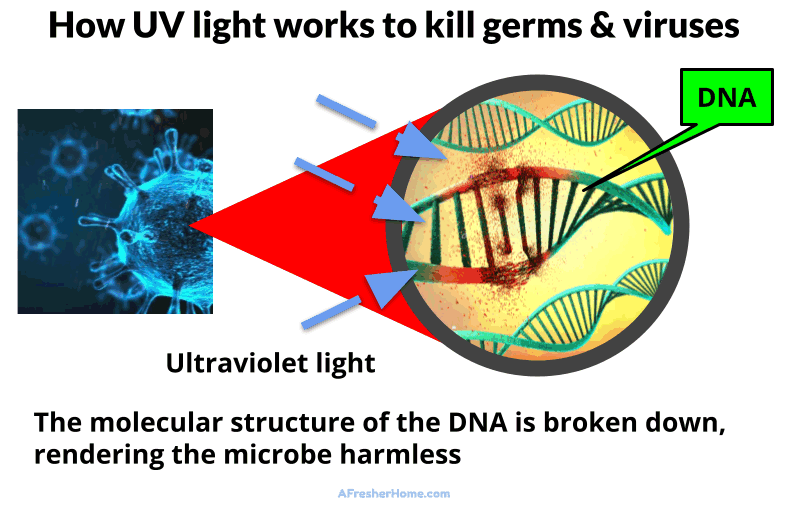
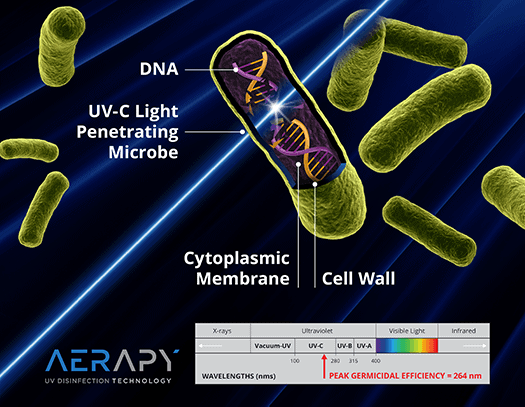
Here’s the simple part: bacteria are just tiny bags of DNA, kind of like little water balloons filled with genetic instructions. When UVC light hits them, it doesn't just warm them up—it literally smashes the bonds in their DNA.
Imagine a zipper that’s been yanked apart. The DNA strand becomes a broken mess of mismatched puzzle pieces. Without intact DNA, the bacteria can't replicate, can't reproduce, and basically dies—or at least becomes harmless zombie germs that can't hurt you.
It’s like giving the bacteria a lethal sunburn from the inside out. Pretty wild, right?
Why is it so good at killing?
One of the coolest parts? UVC doesn't discriminate. It doesn't care if the germ is a stubborn superbug or a common cold virus. It just shreds the genetic material of anything that gets in its way.
Compare that to bleach or hand sanitizer. Those chemicals can be messy, stinky, and some germs actually build up resistance over time. But UVC? It's a physical attack, not a chemical one. You can't build resistance to having your DNA broken apart by ultraviolet light.
 Uv Light Effect On Bacteria at Johnathan Olivar blog
It’s like the difference between trying to outrun a lion (some germs are fast and sneaky) versus getting hit by a meteor. The meteor wins every time.
But wait—is it safe for us?
Great question, and it’s important to be honest here. Direct UVC light is bad for your skin and eyes, just like it is for bacteria. That's why most UVC devices are carefully shielded or used in empty rooms.
Think of it like a tanning bed for germs. You wouldn't stare directly at a tanning bed light, right? Same rule applies. But when used correctly—in a tube, a wand, or inside an air purifier—it’s incredibly effective without harming you.
So yeah, you don't want to live in a UVC-lit room. But using it to zap your phone or kitchen counter? That's a clean win.
The fun part: what it can and can't do
Here's where things get interesting. UVC light works best on flat, smooth surfaces where the light can hit directly. It's a line-of-sight weapon, like a flashlight in a dark room. If the bacteria are hiding in a shadow, under a crust of dirt, or inside a tiny crack, the light can't reach them.
 How Does Uv Light Kill Bacteria | Gas Furnace
That's why you can't just wave a UVC wand over a dirty dish and call it clean. You still need soap and elbow grease to break up the gunk. But once the surface is shiny? The light becomes a microbe eraser.
Imagine playing a video game where you have a laser gun, but the enemies can hide behind walls. You still need to clear the room first. Same idea.
Is this just a fad?
Surprisingly, no. Hospitals have been using UVC light to sterilize rooms for decades. It’s not some new-age wellness trend—it's old-school science that got popular again because of, you guessed it, COVID-19.
Now we're seeing it in water purifiers, air filters, and even robot vacuums. The more we learn about UVC, the more we realize it's a brilliant, non-toxic way to keep things clean without dumping chemicals everywhere.
So next time you see a blue glow, you can smile knowing that invisible little beams are giving germs a really bad day. Pretty neat, huh?
