How Much Water Is Needed Per Day

Okay, let’s talk about water. You know, that clear stuff you probably have within arm’s reach right now. You’ve heard the rule: drink eight glasses a day, right? But is that r...
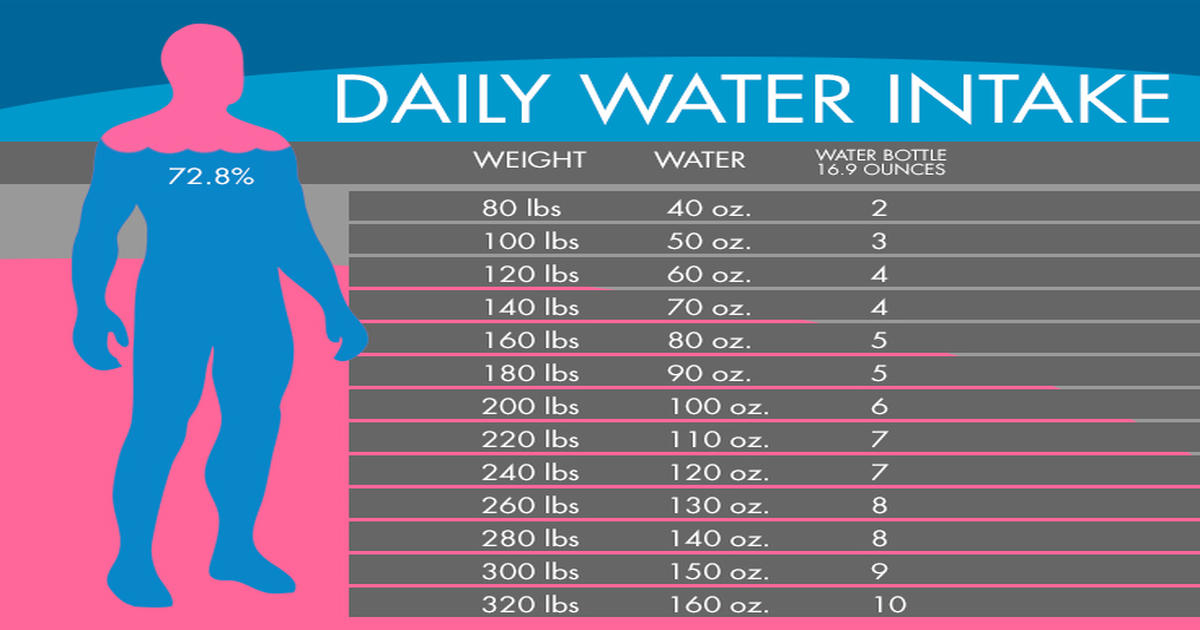
Okay, let’s talk about water. You know, that clear stuff you probably have within arm’s reach right now. You’ve heard the rule: drink eight glasses a day, right? But is that really the magic number, or just a myth we all blindly follow?
It’s a fair question, and the answer is way cooler than a simple number. Your body is basically a super-complex, squishy machine that runs on water. We’re talking about 60% of your body weight being H2O—that’s like a giant, walking water balloon.
The Famous "8x8" Rule—Friend or Foe?
Here’s the thing: the "eight glasses of 8 ounces" rule is a useful starting point, not a sacred law. It’s easy to remember, which is why it stuck around. But your actual need is as unique as your fingerprint.
Must Read
Think about it: a marathon runner in Arizona needs way more water than someone binge-watching shows in a cool basement. Your body is constantly shouting at you in whispers—dry lips, dark pee, a nagging headache. Listen to those whispers.
The National Academies of Sciences, Engineering, and Medicine gives a more flexible range. For men, they suggest about 3.7 liters (or about 15.5 cups) daily. For women, it’s around 2.7 liters (11.5 cups). But here’s the kicker: that includes water from food!
Where Is All This "Hidden Water"?
You don’t have to chug cup after cup like a thirsty camel. Surprisingly, about 20% of your daily water intake comes from food. A juicy watermelon is basically nature’s water bottle. Cucumbers, strawberries, and even a bowl of soup? All sneaky hydration heroes.
That means you’re probably closer to your goal than you think. Imagine: a crisp apple provides about 6 ounces of water. That’s almost one whole glass of water disguised as a crunchy snack. How cool is that?
Why Your Water Needs Go Up and Down
So, when do you need to crank up the intake? First, exercise. After a solid sweat session, you’re down a few cups. Even mild dehydration can drop your athletic performance by 30%, like a phone battery hitting 10%.
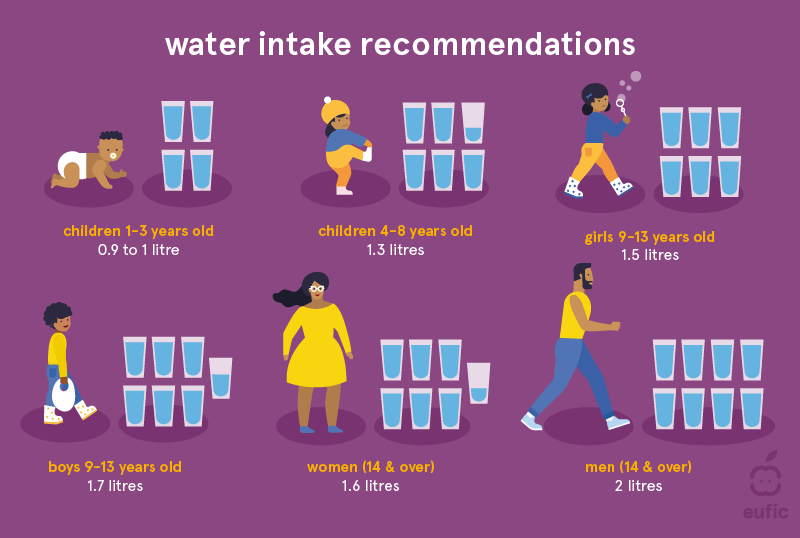 Recommended Water Intake Recommended Values And Statistics For
Second, the weather. Hot, humid days turn you into a leaky faucet. You lose water just by breathing—every tiny exhalation is a water vapor goodbye. Fun fact: you lose about a cup of water each night just from breathing and sweating in your sleep.
Third, illness. A fever or a stomach bug is like a water-draining shortcut. Your body uses extra water to flush out invaders, so drink up when you feel rough.
Fun Comparisons to Keep You Hydrated
Let’s get visual. Your brain is about 73% water. Imagine a giant bowl of Jell-O—that’s your brain jiggling around, and it needs a steady water supply to think clearly. Even a 2% drop in hydration can cause fuzzy thinking and a cranky mood.
Or picture this: your blood is 92% water. It’s like a river delivering supplies (oxygen, nutrients) to all your city-cells. If the river gets low, the whole traffic system slows down. Drinking water is like unclogging a highway.
And here’s a weird one: your saliva production slows down when you’re dehydrated. That’s why you get "cottonmouth." Your mouth literally becomes a desert, asking for a drink. Gross? Maybe. Motivational? Hopefully.
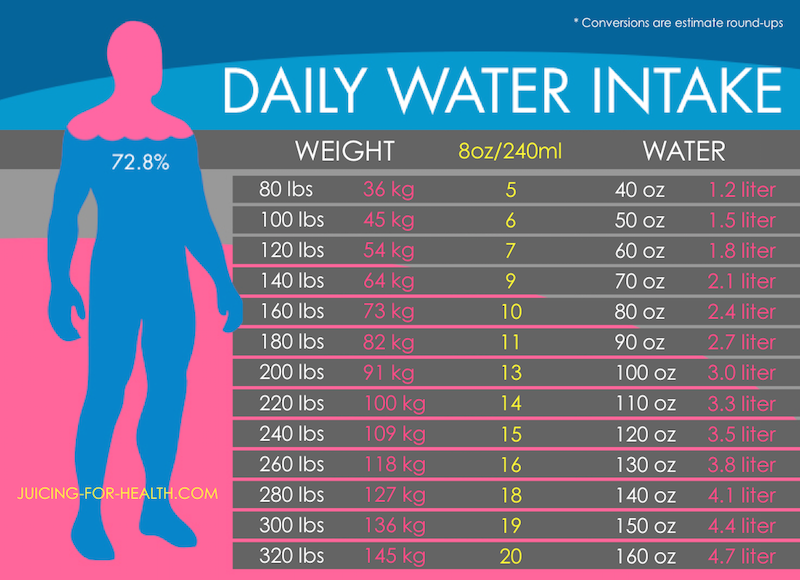 How Much Water Should You Drink Daily To Keep Hydrated?
How to Make It Easy (and Not a Chore)
Forget the rigid rules. Instead, use color cues. Your pee should be the color of pale lemonade, not dark apple juice. If it’s dark, grab a glass. Simple.
Keep a fun bottle nearby, preferably one with a straw. We drink more from a straw—it’s a weird psychological trick. Add some fruit slices, a sprig of mint, or a splash of juice to make it interesting. Water doesn’t have to be boring water.
And here’s the most chill advice: drink when you’re thirsty. Trust your body. It’s been doing this hydration thing for millions of years. Your thirst mechanism is a pretty smart sensor.
The Final Sip
So, how much water do you really need? It’s a moving target, not a fixed mark. Listen to your body, watch your pee color, and eat your water-rich foods. You’re a walking wonder of biology, and you’re probably doing okay.
Just don’t let yourself get to the point where your brain feels like a dried-out sponge. Grab a glass, feel the coolness, and know that you’re nourishing a tiny, watery universe inside you. Cheers to that.
