How Much To Install A Water Well

Let’s face it: water bills are the adult version of a bad cologne—persistent and mildly offensive. You’re probably here because you’ve dreamed of crystal-clear independence, o...
Let’s face it: water bills are the adult version of a bad cologne—persistent and mildly offensive. You’re probably here because you’ve dreamed of crystal-clear independence, or your lawn has looked at you with those thirsty, judgmental eyes one too many times. Installing a well isn’t just a home upgrade; it’s a lifestyle flex that says, “I control my own H2O destiny.”
But before you grab a shovel and channel your inner Lawrence of Arabia, let’s talk about the real cost. The price to install a residential water well typically ranges from $3,500 to $15,000, with the average landing around $5,500 to $12,000. That’s a wide gap, I know—it’s like asking how much a taco costs in New York versus rural Texas.
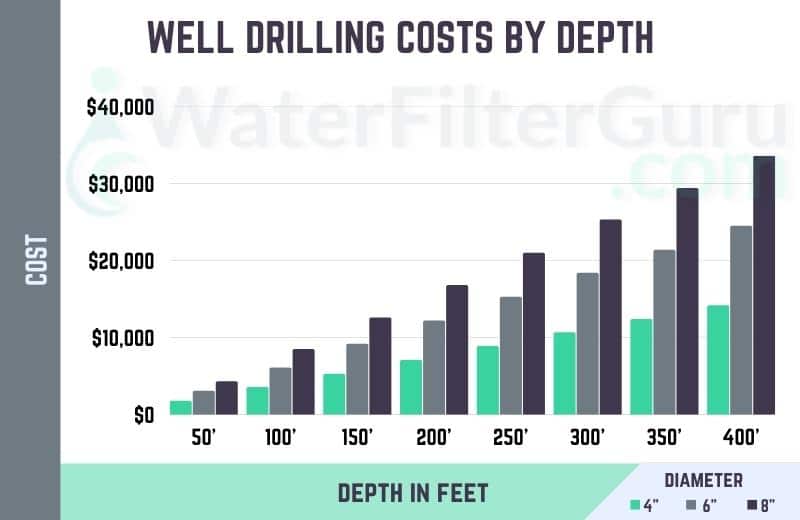
The biggest variable is depth. Shallow wells (around 25 to 50 feet) might cost you under $5,000, but if you’re drilling down 400 feet to reach an aquifer, you’re looking at $15,000 or more. Pro tip: check your neighbor’s well depth first—it’s the most casual, neighborly way to save thousands.
Must Read
The Price Breakdown: Where Your Money Goes
Think of your well as a four-part symphony: drilling, casing, pump, and plumbing. The drilling is the lead singer, costing roughly $15 to $30 per foot. A 200-foot well? That’s $3,000 to $6,000 just for the hole.
Then comes the casing, the steel or PVC pipe that lines your well and keeps dirt out. Expect to pay $10 to $25 per foot for this. It’s the unsung hero—like a solid bouncer at a club you didn’t know you needed.
The pump and pressure tank run you another $500 to $2,500. Submersible pumps are quieter and more efficient; jet pumps are cheaper but louder—choose your vibe. Wiring and a control box add $200 to $600.
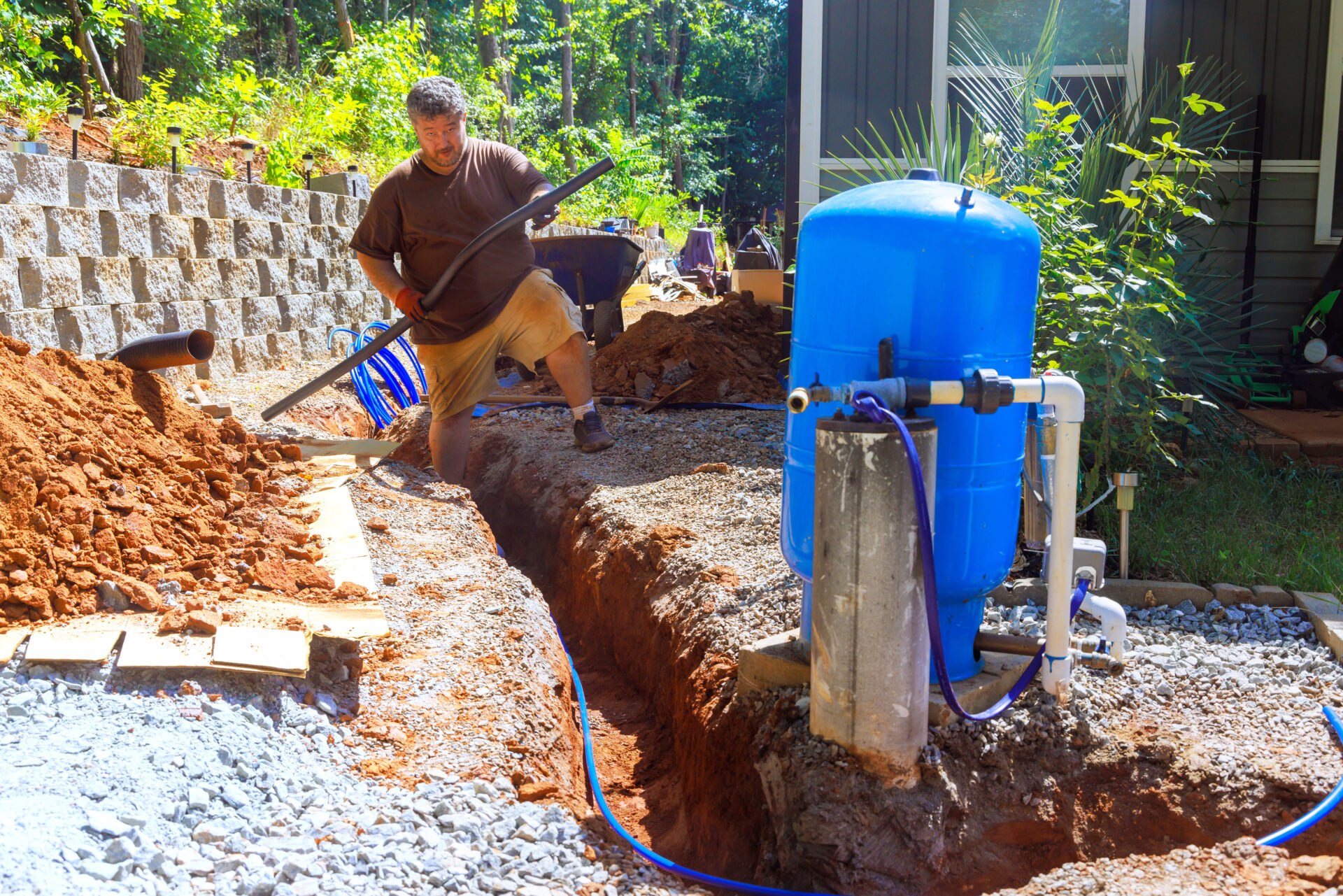
Finally, the plumbing connection from the well to your house: $1,000 to $3,000. This includes a trench, pipe, and possibly a water filtration system. Yes, you should filter your water—unless you enjoy the earthy taste of “terroir.”
Hidden Costs That Sneak Up on You
Permits are the tax of independence. Most counties charge $100 to $500 for a drilling permit, but some require an environmental impact study if you’re near wetlands. Always call your local health department first—they love a good surprise.
Water testing is non-negotiable. You’ll pay $50 to $200 for a basic bacteria and mineral test. If your water smells like sulfur (rotten eggs), you’ll need a chlorinator or an aeration system—add another $1,000 to $3,000.
 Well Pump Install Update - Cost breakdown - YouTube
And here’s a fun fact: the world’s deepest well is the Kola Superdeep Borehole in Russia, at 40,230 feet. Your well will not be that deep. Unless you’re drilling for oil, in which case, this article is not for you.
Real-Life Scenarios: What You Might Pay
Scenario A: The Suburban Weekend Warrior. You live two miles from town, on a half-acre lot. Drilling 150 feet, PVC casing, a 1 HP pump, and basic connection: $8,000 to $10,000. You’ll break even on water bills in about three years.
Scenario B: The Rural Homesteader. You’re on 20 acres in Montana. Drilling 350 feet through rock (ouch), steel casing, a heavy-duty pump, and a 1,000-gallon pressure tank: $18,000 to $25,000. But you now own a permanent cocktail bar for your cattle.
Scenario C: The DIY Daredevil. You rent a small drilling rig for $1,500 a day, dig 50 feet of sand, install your own pump. Total cost: about $3,000. Risk: hitting a rock layer and weeping alone in your backyard. Do not try this without a geological survey.
Practical Tips to Keep Costs Low
Get at least three quotes from licensed well drillers. Ask for references, and check if they include pump installation in their price. Some drillers charge per foot but mark up the pump 300%—it’s the classic “printer ink” hustle.
Consider a shared well with a neighbor. Split the drilling cost, and agree on a water usage contract. It’s like a co-op for hydration—very Portlandia, but financially brilliant.
Time your drilling for spring or fall. Ground is softer, drillers are less busy, and you avoid frozen pipes. Winter drilling adds 20% due to frost and misery.
 How Much Does Well Installation Cost?
The Cultural Vibe of Well Water
There’s a reason country music loves a good well. It’s the “I was born in a water tower” aesthetic. But well water also has a serious side: in 2020, the CDC reported that 23 million U.S. households rely on private wells. That’s a quiet army of DIY hydration rebels.
And here’s a California-style fun fact: in 2023, a family in Oregon lowered their water bill by $1,200 a year after installing a well. They now water their avocado trees without guilt. Yes, avocados. The ultimate status fruit.
If you’re feeling fancy, you can add a massive outdoor shower fed by your well. It’s the most Instagrammable way to tell your HOA you’ve achieved inner peace.
Long-Term Savings vs. Upfront Shock
Yes, $10,000 is a lot of money. But a well lasts 30 to 50 years with minimal maintenance (annual tests, pump checks every 5 years). Compare that to $60 a month for municipal water over 30 years—$21,600. Your well pays for itself and then some.
Your property value also gets a boost. A well can add 4% to 6% to your home’s resale value, especially in rural or drought-prone areas. Plus, it’s a negotiation chip: “The well is drilled—no water bills, just endless baths.”
A Short Reflection on Daily Life
Every time you turn on a tap, you’re not just getting water—you’re receiving a tiny miracle of geology, engineering, and your own wallet. Installing a well is a declaration of self-reliance wrapped in copper wire and PVC. The next time you enjoy a glass of cold, mineral-rich water, remember: that glass didn’t come from a reservoir. It came from the ancient, patient earth, and you made it yours.
And if you ever forget how much it cost? Just look at your utility bill. You won’t have one. Cheers to that.
