How Much Sodium Is In Soft Water

Ever wonder what’s actually in the water you drink after it’s been through a softener? You’re not alone. It’s a question that’s both simple and surprisingly deep. Let’s dive i...

Ever wonder what’s actually in the water you drink after it’s been through a softener? You’re not alone. It’s a question that’s both simple and surprisingly deep. Let’s dive in, but don’t worry—we’ll keep our heads above water.
First, a little chemistry magic. Hard water is full of calcium and magnesium—the stuff that leaves spots on your dishes and scale in your pipes. A softener swaps those minerals for sodium ions. That’s the trade-off: you get softer skin and shinier glasses, but you also get a tiny dose of salt.
So, how much sodium are we talking? On average, an 8-ounce glass of softened water adds about 12 to 16 milligrams of sodium. That’s roughly the same amount as a single slice of white bread. Not exactly a salt lick, right?
Must Read
But wait—does that really matter?
For most of us, it’s a drop in the ocean. Compare it to a can of soda, which can pack 30 to 50 milligrams in a sip. Your morning bagel? That’s around 400 milligrams of sodium. Suddenly, that 12-milligram glass of soft water feels almost innocent.
Here’s the thing: the exact amount depends on how hard your water was to begin with. The harder the water, the more calcium and magnesium need to be swapped—and the more sodium ends up in your glass. Think of it like a math problem: more hardness equals more salt in the exchange.
Fun comparison time!
Imagine you’re at a movie theater. A small bag of popcorn might have 200 milligrams of sodium. To get that from soft water alone, you’d need to chug about 16 glasses back-to-back. That’s a lot of bathroom breaks for a little salt.
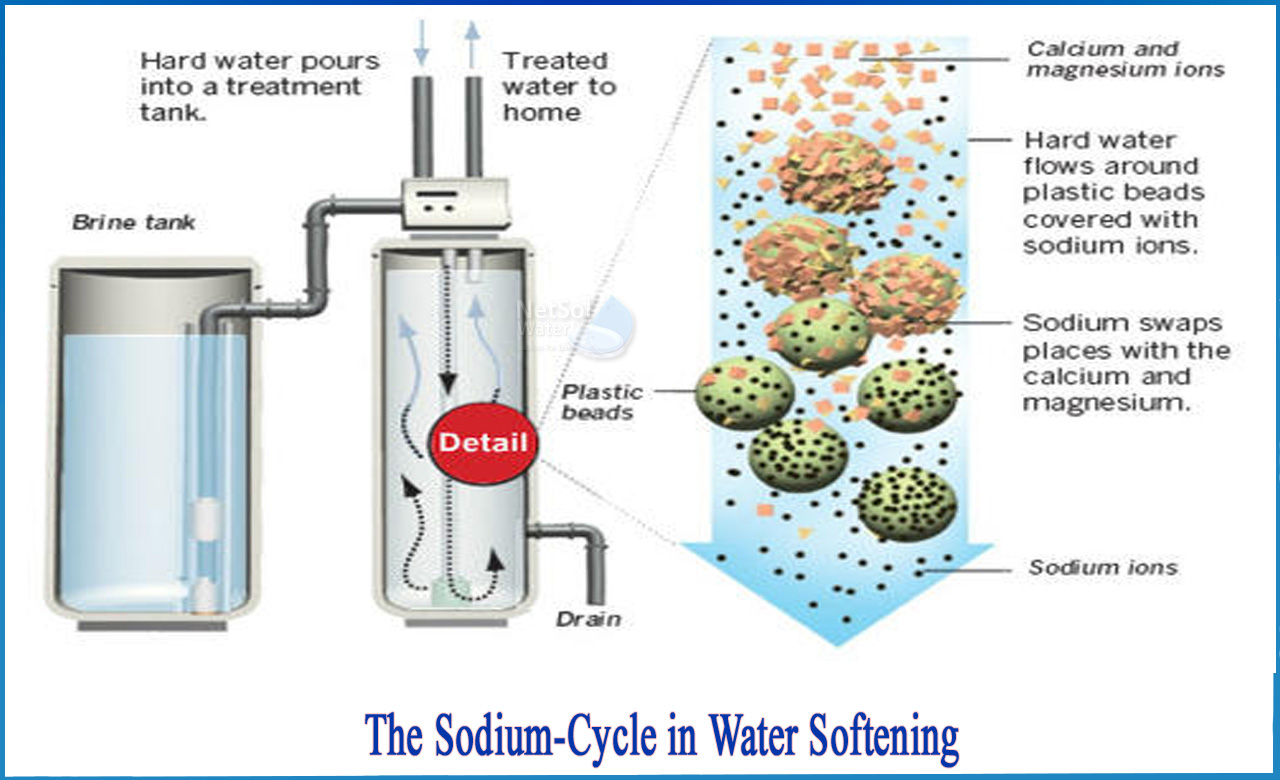 How to Water Softening work with Sodium-Cycle
Still, if you’re on a strict low-sodium diet for medical reasons, it’s worth knowing. For example, someone with high blood pressure might want to use a reverse osmosis system or a potassium-based softener instead. But for the average healthy person? It’s not a big deal.
The sneaky truth about “sodium-free” water
Even “hard” water has a natural sodium content—usually about 2 to 5 milligrams per glass. So the softener adds only a tiny bump. The real shocker? A lot of the sodium in your diet comes from hidden sources: processed foods, sauces, and even bread. Soft water is the least of your worries.
Let’s get curious: why does this even feel like a secret? Probably because the word “sodium” sounds scary—like it’s lurking in the shadows. But if you think about it, your body actually needs sodium to function. It’s only when you overdo it that problems start.
What about taste?
Some folks claim soft water tastes a bit “salty.” Is that real, or is it in your head? The answer is: mostly in your head. At 12 to 16 milligrams per glass, your tongue probably can’t detect a difference. Try a blind taste test with a friend—you might be surprised how similar hard and soft water actually taste.
 Do Water Softeners Add Sodium To Drinking Water? – DQUSC
Here’s a cool fact: your body processes this sodium differently than table salt. Because it’s dissolved in water, it’s absorbed more slowly. It’s like a gentle trickle instead of a salt shaker dump. That’s kind of fascinating, isn’t it?
So, should you ditch your water softener over sodium? Probably not. Unless you’re drinking gallons a day, the impact is tiny. The bigger picture? Soft water can save your pipes, soap, and skin—while adding a pinch of salt that’s smaller than the one on the rim of a margarita glass.
The final splash
Soft water isn’t a sodium bomb; it’s a gentle exchange. Next time someone warns you about “salty water,” just smile and tell them it’s less salty than a pretzel. And if you’re still curious, check your water’s hardness level. You can even buy a test strip for a few bucks—it’s like a mini science project for your faucet.
In the end, the answer is simple: soft water has a little sodium, but not enough to worry about. So go ahead, enjoy that silky shower and spot-free glass. Your body—and your plumbing—will thank you.
