What Is Commercial Bottled Water

So, you’re standing in the grocery aisle, staring at a wall of fancy plastic. You’ve got glacier water, spring water, and something called “vapor-distilled.” It’s enough to ma...
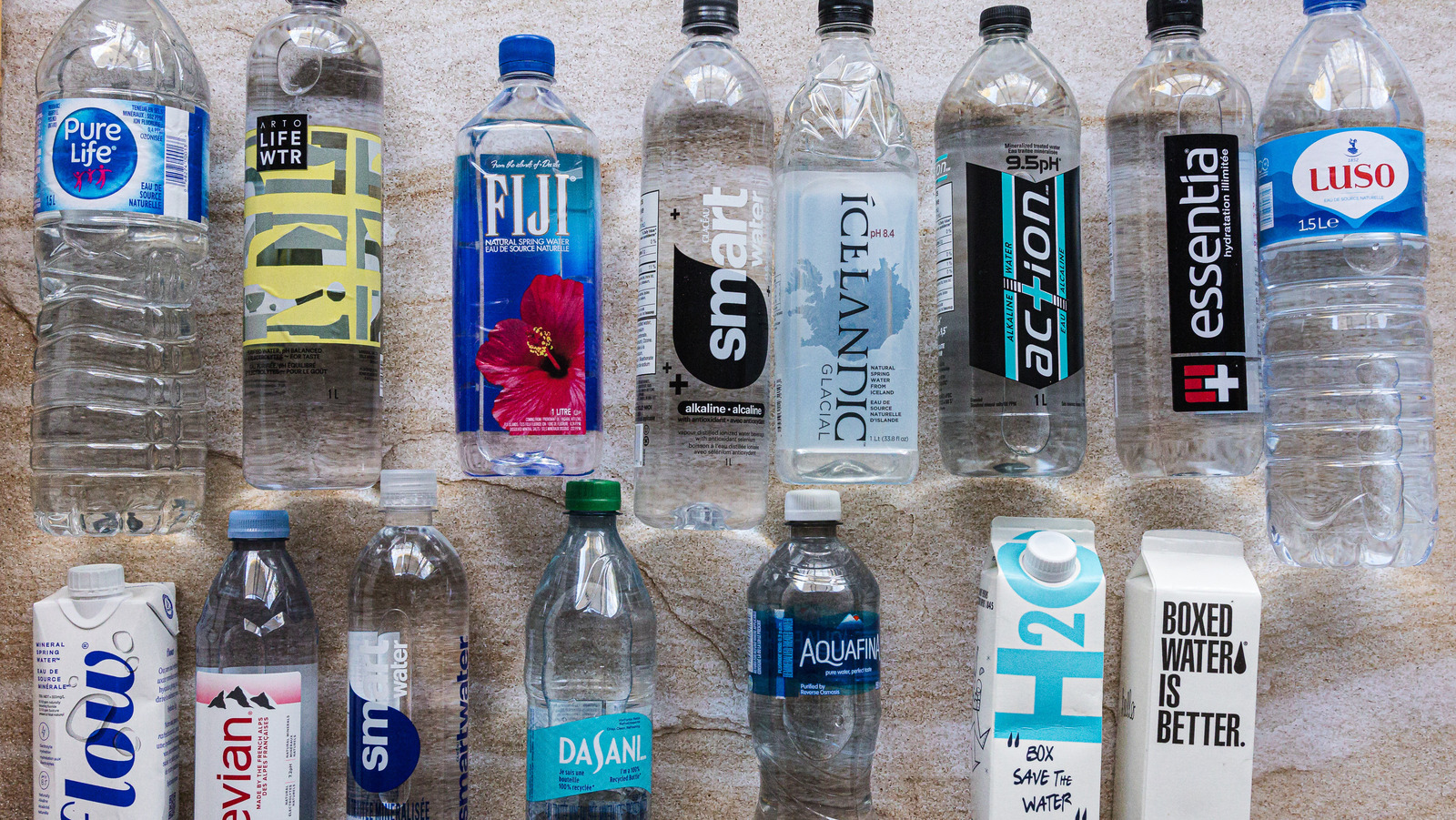
So, you’re standing in the grocery aisle, staring at a wall of fancy plastic. You’ve got glacier water, spring water, and something called “vapor-distilled.” It’s enough to make your head spin faster than a bottle on a roller coaster. Let’s take a breather and chat about what commercial bottled water actually is. Spoiler: it’s not magic, but it’s not boring either.
The Bare Bones: What’s in That Bottle?
At its most basic, commercial bottled water is water that’s been packaged in a sealed container and sold for drinking. That’s it. No secret sauce, no unicorn tears. But here’s the funny part: the government (specifically the FDA in the U.S.) treats it like a food product. Yes, your bottle of H2O is legally a snack. Next time you sip, imagine it sitting next to a bag of chips in the pantry.
The water itself has to meet strict purity standards. It can’t have too many germs, chemicals, or tiny floaty bits you don’t want in your teeth. And here’s a twist—tap water is actually regulated more strictly for some contaminants. So, the bottle isn’t always the “clean” hero you think it is. It’s just a very thirsty business.
Must Read
The Big Four: Where the Water Comes From
Commercial water falls into a few main categories, and they sound way fancier than they are. First up: spring water. This comes from an underground source that naturally flows to the surface. Think of it as nature’s own water fountain, but with a pump and a plastic bottle. It’s collected directly at the spring, so it keeps its natural minerals. Very rustic. Very Instagrammable.
Then we have purified water. This is the “I’m going to fix you” water. It starts as tap water or groundwater, then gets scrubbed clean through processes like distillation, reverse osmosis, or deionization. It’s so pure, it’s basically water in witness protection. No minerals, no personality—just wet.
Don’t forget mineral water, which is legally required to contain at least 250 parts per million of dissolved minerals. It comes from a protected underground source and has a constant level of stuff like calcium and magnesium. It’s the water that says, “I’m fancy, and I have a nutrition label.” And finally, artesian water, which comes from a confined aquifer that’s under pressure. That’s just a geology way of saying, “It’s trapped in a rock sandwich and forced out.” Delicious drama.
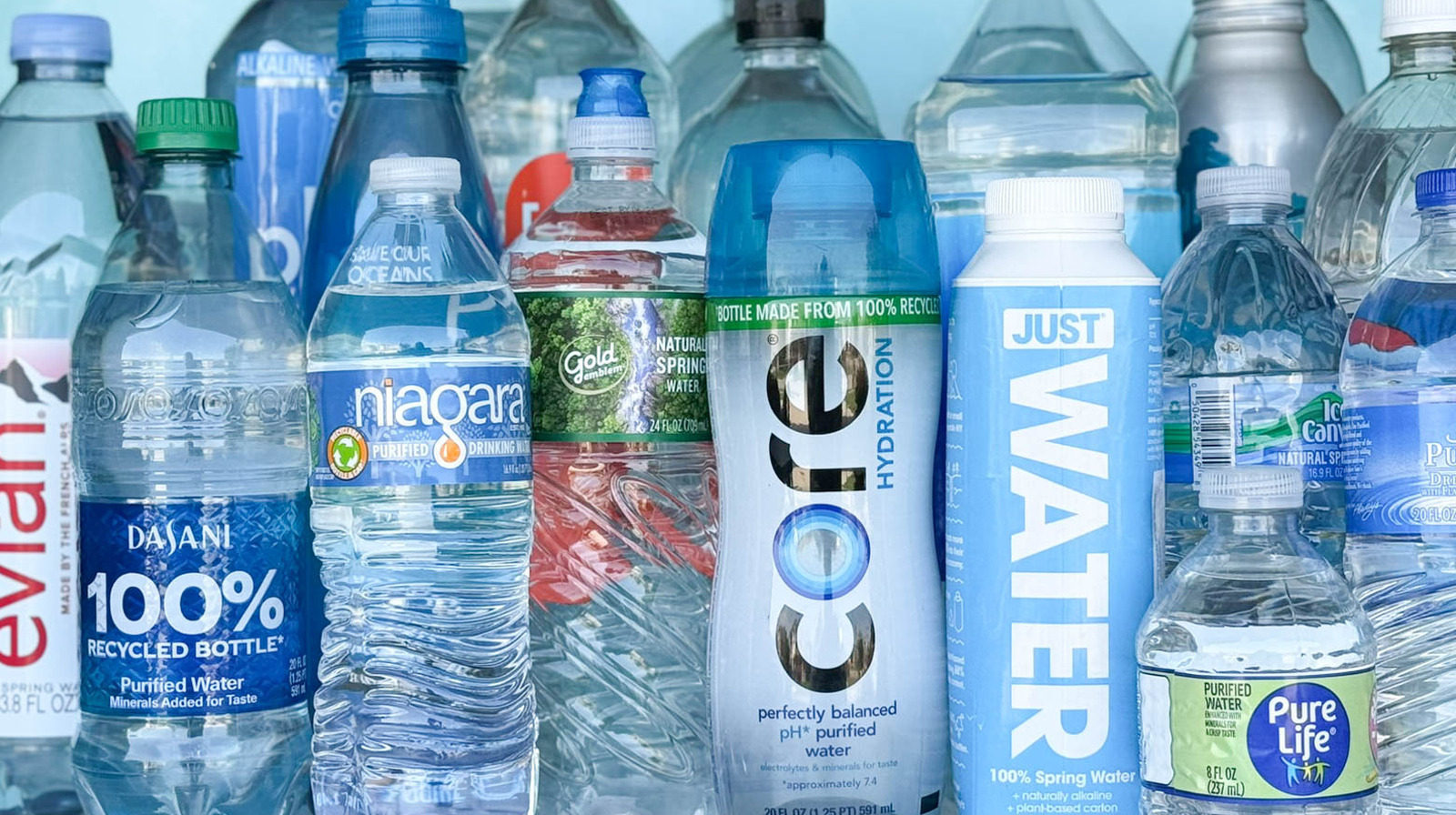 Best Bottled Water List 27 Bottled Water Brands, Ranked Worst To Best
The Bubbly Rebellion: Sparkling Water
Oh, and we can’t forget the fizzy stuff. Sparkling water is just regular water that’s been carbonated, either naturally (from a spring with carbon dioxide) or artificially (they pump in bubbles). It’s the rebel of the water aisle. Some brands add flavors, some don’t. Pro tip: If it says “club soda,” it has added minerals for a saltier taste. If it says “seltzer,” it’s just water and gas. You’re welcome for the party trivia.
Why Do We Buy It? (Besides Being Thirsty)
Let’s be real: we buy bottled water because it’s convenient. You can’t exactly carry a faucet in your gym bag. It’s also a status thing—walking around with a sleek bottle says, “I hydrate, and I make good choices.” Or at least, “I didn’t have time to fill my reusable bottle.” And brands trick us with fancy labels: snow-capped mountains, pristine lakes, a baby seal smiling. It’s all just water, folks.
There’s also the taste factor. Many people swear they can taste the difference between brands. And hey, if your tap water tastes like a swimming pool (looking at you, heavy chlorine), bottled water is a lifesaver. But blind taste tests often show people can’t tell the difference. Brains are weird. Water is weirder.
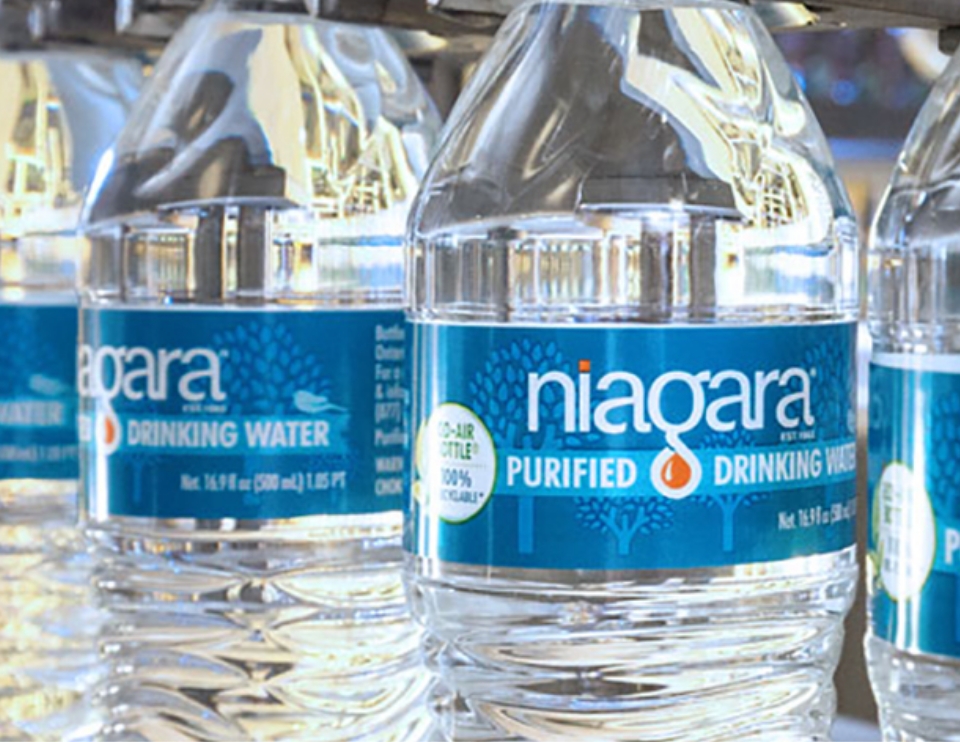 Best Commercial Bottled Water at Loretta Sams blog
The Elephant in the Room: The Planet
Here’s the not-so-fun part: plastic bottles are a bit of a nightmare for the Earth. It takes about three liters of water to produce just one liter of bottled water. That’s like using a fire hose to fill a teacup. Plus, millions of bottles end up in landfills. It’s a sticky situation. But don’t let that ruin your hydrating vibe—some companies use recycled plastic or plant-based bottles. Progress!
The best hack? Buy a case for emergencies (hurricanes, road trips, zombies), but use a reusable bottle for daily life. You’ll save money, feel smug, and Mother Nature will send you a high-five (probably as a rainstorm).
The Final Sip
So, commercial bottled water is exactly what it sounds like: water in a bottle, sold by people who want you to pay for something you already have at home. It’s not illegal or evil—it’s just a bit extra. Like a friend who shows up to a barbecue in a tuxedo. We still love them, we just don’t get it.
At the end of the day, water is water. Whether it comes from a $5 artesian spring or your kitchen sink, your body is just happy to get hydrated. So, grab a bottle, a glass, or a garden hose (please don’t), and drink up. Here’s to the wet stuff that keeps us alive—bottled, bubbled, or straight out of the tap. You’re doing great, and you’re perfectly hydrated. Cheers!
