What Is A Good Ph Level In Water

Last week, my friend Dave proudly handed me a glass of his “perfect” water. He’d just installed a fancy countertop filter that claimed to hit the ideal pH for health. I took a...

Last week, my friend Dave proudly handed me a glass of his “perfect” water. He’d just installed a fancy countertop filter that claimed to hit the ideal pH for health. I took a sip, and honestly? It tasted like what I imagine licking a wet, clean rock might taste like. Dave looked so pleased, I just smiled and nodded, wondering if I’d accidentally wandered into a chemistry cult meeting.
That’s when I realized most of us—myself included—have no clue what a “good” pH level in water actually means. We hear the word, we see ads for alkaline water, and suddenly we’re worried our tap water is secretly plotting our demise. So let’s clear this up, shall we?
pH: The Simple Version (Because You’ve Got Better Things To Do)
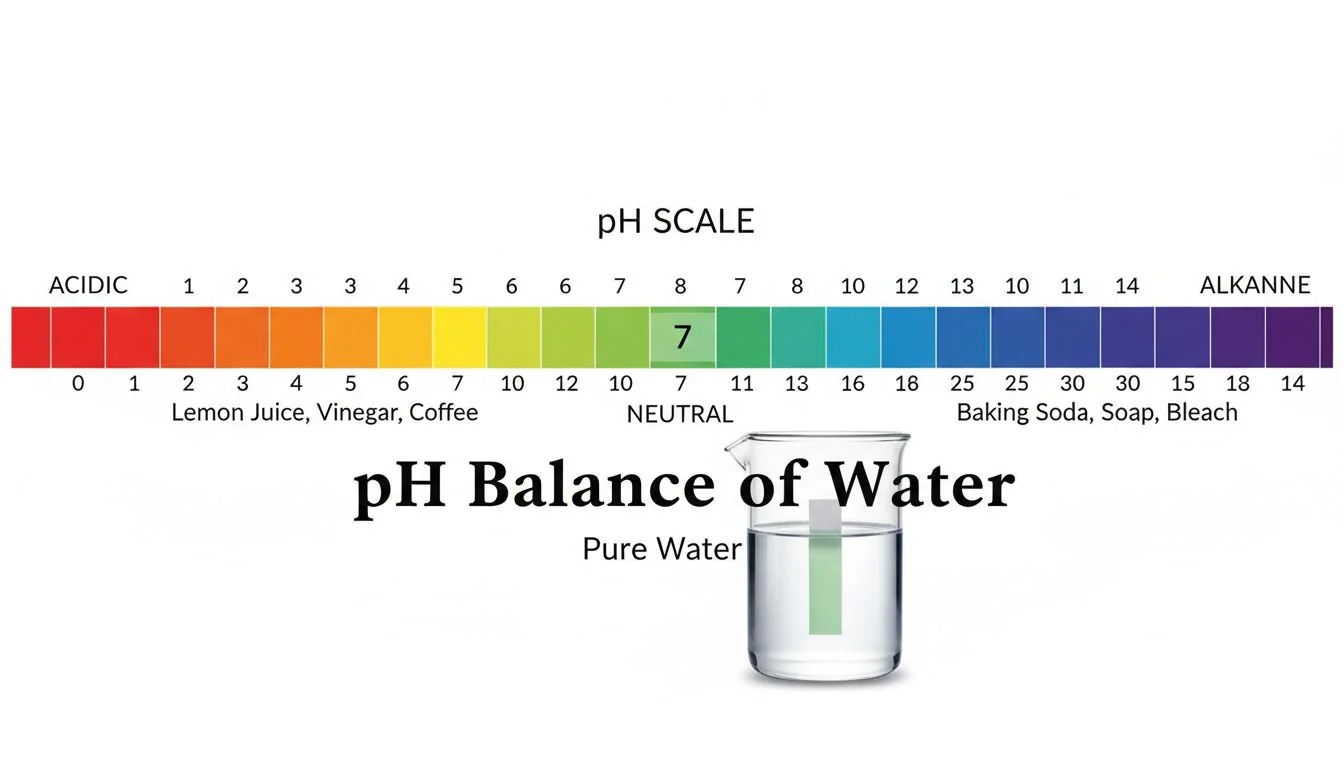
pH is just a scale that measures how acidic or alkaline something is, from 0 (battery acid) to 14 (drain cleaner). Pure water sits right in the middle at pH 7, which is neutral. Think of it as the Switzerland of liquids—it doesn’t pick sides.
Must Read
But here’s the kicker: most drinking water isn’t perfectly neutral. Tap water usually falls between pH 6.5 and 8.5, and that’s completely fine. Your body is a master regulator; it doesn’t care if your water is a hair acidic or a hair alkaline—it balances itself out faster than you can say “electrolyte imbalance.” (Side comment: Your stomach acid is around pH 2. So, no, a glass of pH 8 water isn’t going to “alkalize” anything in there except maybe your expectations.)
The “Goldilocks Zone” For Your Pipes (And Your Tastebuds)
For practical, non-hype purposes, a “good” pH level in water is between 6.5 and 8.5. That’s the range where water is safe, tastes decent, and doesn’t destroy your plumbing. Below 6.5? That water can leach metals like copper and lead from old pipes—yikes. Above 8.5? It might taste bitter and leave mineral deposits that make your kettle look like a calcified alien artifact.
Personally, I’ve noticed water at the higher end (like 8+) has a sly, slippery mouthfeel, like it’s trying to be fancy water. Lower pH water (like 6) tastes more crisp and slightly sharp—think a very subtle lemonade without the lemons. It’s all about preference, not performance.
 Quick Guide to pH in Drinking Water – Tap Score
What About That “Alkaline Water” Trend? (Spoiler: It’s Mostly Marketing)
Alkaline water companies want you to believe that pH 9 or 10 water will cure your fatigue, detox your liver, and maybe even write your emails for you. The reality? There’s little solid science proving it does anything special for healthy people. Yes, your blood has a pH around 7.4, but you can’t change it by drinking alkaline water; if you could, you’d be dead. That’s not a challenge—it’s basic biology.
Some folks claim it helps with acid reflux or hydration after a workout, but the evidence is thin and often contradicted. My unsolicited advice: if you like the taste of alkaline water, drink it. But don’t pay triple the price expecting miracles. Your body is already doing the heavy lifting for free.
The One Exception You Should Actually Care About
There’s one situation where pH really matters: well water. If you’re on a private well, you could be drinking water with a pH of 5 or even 4.5 without knowing it. That acidic water can corrode your pipes and leach heavy metals into your morning coffee. In that case, testing your water and adjusting the pH (usually with a neutralizing filter) is non-negotiable.
For everyone else on municipal water, your local treatment plant is legally required to keep pH in the safe zone. So stop worrying about the number and start worrying about the real issues—like whether your neighbor Dave is going to invite you over for another glass of his “optimal” rock water.
 Mineral-Rich vs Ultra-Pure Water: What's Best for You?
How To Know If Your Water’s pH Is “Good” (Without Buying A Kit)
Honestly? Trust your senses. If your water smells like bleach, tastes like metal, or leaves rust-colored stains in your sink, that’s a red flag. Otherwise, clear water that tastes like nothing—or maybe a faint mineral note—is doing its job. You can buy a cheap pH test strip for $10 if you’re curious, but be prepared for a boring result: it’ll likely be somewhere between 7 and 8.
And if it’s at 6.9? Congrats, you’ve got the most neutral water on the planet. You can now join the elite club of people who can say, “My pH is perfect,” without sounding like they’re selling something. (Side comment: Please don’t say that at parties. I tried it. No one was impressed.)
So, what’s a good pH level in water? It’s the one that’s safely between 6.5 and 8.5, tastes fine to you, and doesn’t come with a 45-minute podcast episode attached. The rest is just chemistry theater. Drink up—and maybe buy your friend Dave a water filter that actually focus on contaminants, not imaginary health boosts.
Now, if you’ll excuse me, I need to go test my tap water. I think it just winked at me.
