What Is A Bypass Valve For Water

So, the other day, I’m standing in my buddy’s basement, ankle-deep in water. He’s staring at a pipe like it personally offended him. “The washing machine’s backed up,” he groa...
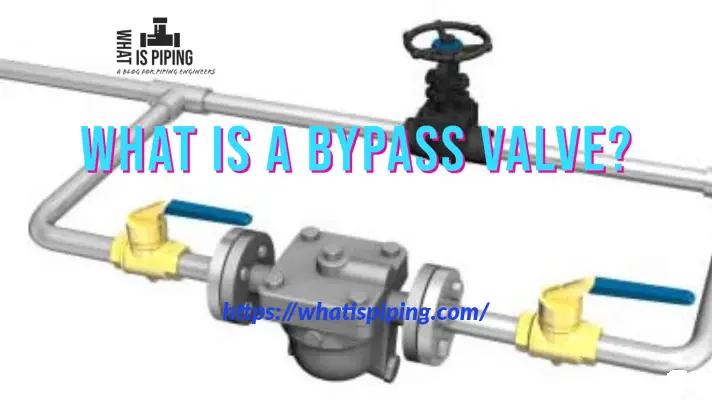
So, the other day, I’m standing in my buddy’s basement, ankle-deep in water. He’s staring at a pipe like it personally offended him. “The washing machine’s backed up,” he groaned, “and I can’t shut it off without killing the whole house.”
I nod wisely, pretending I know what he’s talking about. But honestly? I’m just glad I’m not the one holding the wrench. That soggy disaster is the perfect intro to a little hero hidden in your plumbing: the bypass valve.
So, What Exactly Is a Bypass Valve?
Picture a tiny detour on a highway. When the main road is blocked—say, for repairs—traffic flows around it. A bypass valve does exactly that for your water pipes.
Must Read
It’s a simple device that reroutes water around a fixture or system. Think of it as a secret escape route for your H₂O. This way, you can work on one part without drowning everything else.
In my buddy’s case, a bypass valve on his washing machine line would have saved his carpet. And his sanity. (Sorry, Steve.)
Where You’ll Find These Little Life-Savers
You’ve probably seen one without realizing it. Check under your kitchen sink or behind the toilet. That little lever or knob on the water line? Bingo—that’s often a mini bypass.
They’re common on water softeners, reverse osmosis systems, and even your outdoor spigots in cold climates. Ever used a hose bib shut-off inside the house? You’ve bypassed your outdoor tap to keep it from freezing.
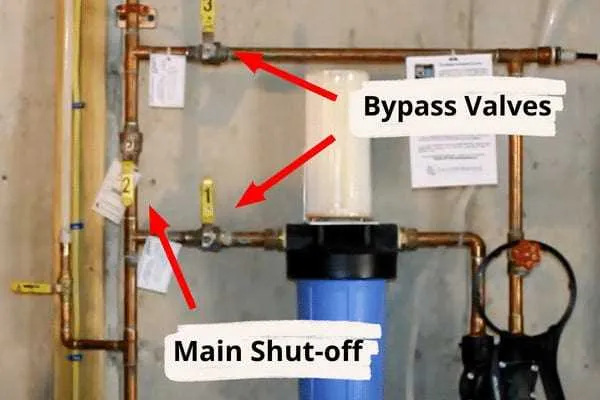
And yes, those fancy whole-house filtration systems? They almost always come with a massive bypass valve. Because nobody wants to live without water while the filter gets changed. Am I right?
 Instructions & Manuals
The “Why” Behind the Valve
Let’s get real: we’re lazy. Or rather, we value convenience. A bypass valve lets you isolate a problem without shutting down your entire water supply.
Need to replace a leaky faucet? Flip the bypass under the sink. Want to repair a pipe without calling a plumber? A bypass valve buys you time. It’s the plumbing equivalent of a parking brake for your water system.
Plus, it saves you from the dreaded “I’ll just turn off the main” panic. You know, that moment when everyone in the house screams because the shower goes cold. Not on my watch.
How Does It Actually Work? (The Nerdy Part)
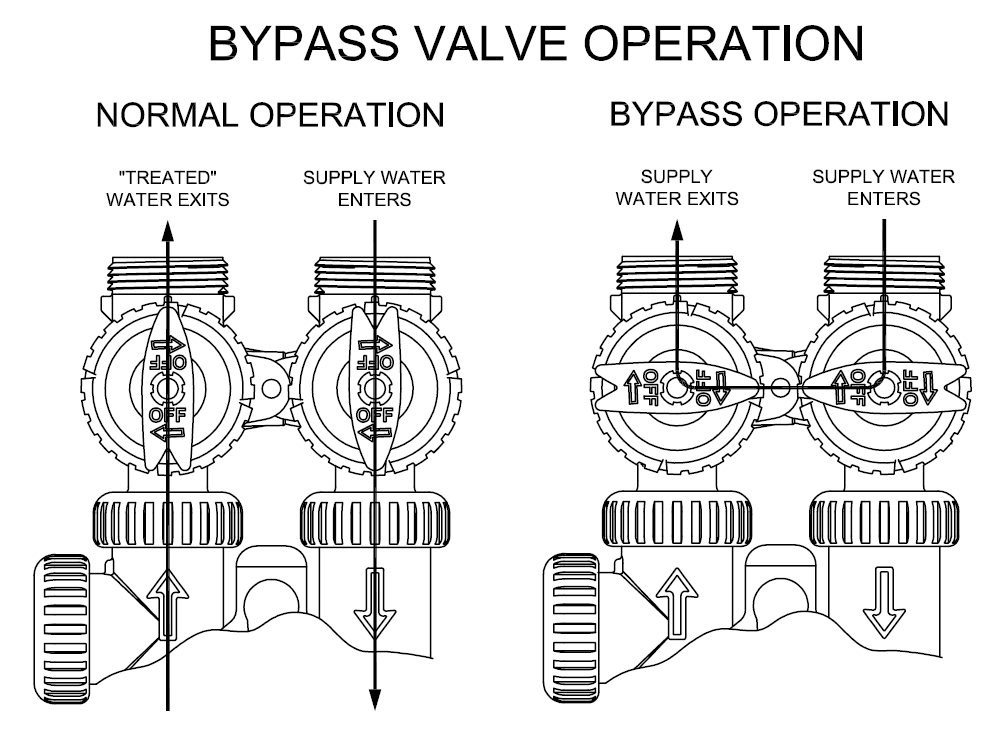
Okay, super simple: a bypass valve has three ports—in, out, and bypass. Normally, water flows from the input through the device (like a filter) and out to your tap. When you flip the valve, it seals the device and sends water straight from input to output.
Think of it as a choose-your-own-adventure for water. One path goes through the filter; the other takes a shortcut. No complicated magic. Just physics and a handle.
Some are manual (you turn a lever), others are automatic (like on big water heaters). Either way, they’re dead simple. Even my buddy Steve could figure it out—eventually.
 Water Softener Bypass Valve Diagram and Function
When You Should Use One (And When to Run Away)
Use a bypass valve any time you’re servicing a water-using appliance. Washing machine, dishwasher, ice maker—they all benefit. It’s like giving your plumbing a “pause” button.
But here’s the irony: not all bypass valves are created equal. Some cheap plastic ones crack over time. I’ve seen it. Always go for brass or reinforced polymer. Your future self will thank you.
And please, for the love of all that is dry, don’t bypass a safety device. Bypassing a pressure relief valve on a water heater is a no-go. That’s asking for an explosion. (Seriously, don’t.)
The Ironic Truth: You Might Already Have One
Here’s the kicker: most homes have bypass valves hiding in plain sight. Ever seen a lever on your water softener or a knob near your furnace? That’s the bypass.
Yet, most people ignore them until something breaks. Ironic, right? You pass by it every day, but you only notice it when a flood happens. Classic human behavior.
So next time you’re under the sink, give that little valve a slow nod. It’s the unsung hero of your plumbing—ready to save you from a soggy mess. And maybe, just maybe, from a call to your buddy for help.
