What Is A Reverse Osmosis Filter

Ever take a sip of water and think, “Hmm, this tastes a little… something”? Maybe it’s a hint of chlorine, or a faint metallic tang. You’re not alone, and that’s where a rever...

Ever take a sip of water and think, “Hmm, this tastes a little… something”? Maybe it’s a hint of chlorine, or a faint metallic tang. You’re not alone, and that’s where a reverse osmosis filter swoops in like a science-y superhero.
Let’s be honest: the name sounds complicated. “Reverse osmosis” feels like something you’d study in a high school chemistry class you barely passed. But don’t worry, we’re going to break it down in the chillest way possible.
Okay, so what even is it?
Imagine a super-fussy bouncer at an exclusive club. Only the VIPs—tiny water molecules—get through. Everything else? Sand, salt, bacteria, pesticides, and that weird mineral taste? It’s all left outside, sulking.
Must Read
That’s basically a reverse osmosis filter. It pushes your tap water through a semipermeable membrane (a fancy, microscopic strainer). The holes are so small that only pure H2O can squeeze past. Everything else is flushed away.
Fun fact: “Osmosis” is nature’s way of balancing water. Plants use it to drink. “Reverse” osmosis? That’s us flipping nature the bird and forcing water through a filter with a pump. Pretty cool, right?
Why should you care? (Or, why it’s cooler than a Brita pitcher)
You might be thinking, “My fridge filter works fine, thanks.” And sure, basic carbon filters are good for removing chlorine and bad smells. But they’re like a net that catches big fish. A reverse osmosis filter? It’s a microscopic dragnet.
It snags things like lead, arsenic, fluoride, nitrates, and even microplastics. That’s stuff you definitely don’t want dancing around in your morning coffee. It’s the kind of water astronauts used to drink in space, by the way.
Does it taste different? Oh, absolutely. It tastes… clean. Like, almost suspiciously clean. Some people say it tastes “flat” at first. That’s because your tongue is so used to minerals and chemicals—the RO water is basically a blank canvas.
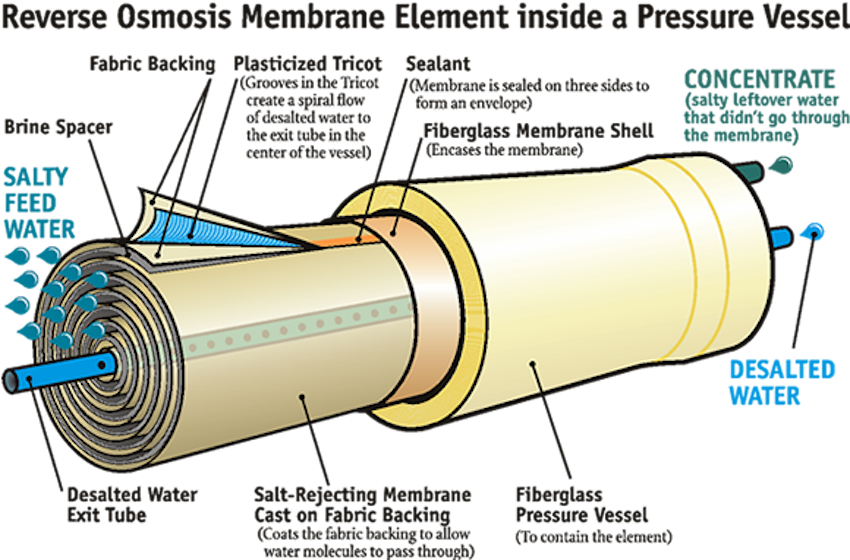 Membrane Filtration Reverse Osmosis at Dorothy Boots blog
But wait—does it waste water?
Here’s the honest, not-so-sexy part: yes, older systems can waste a lot of water. For every gallon of purified water, they might send three or four gallons down the drain as “reject water.” That’s the water carrying away all the bad stuff.
But don’t panic. Modern filters are way more efficient. Some only waste one gallon for every gallon you keep. And that reject water is still fine for watering your plants or washing dishes. You’re not a monster.
Is it a hassle to own?
I’ll be real with you: it’s not totally set-it-and-forget-it. You’ll need to change the pre-filters and post-filters every six months or so. And the main membrane? It can last two to three years if you treat it nicely.
Think of it like changing the oil in your car. It’s a tiny task that keeps everything humming. Most systems are tucked under your kitchen sink, so you’ll barely remember it’s there—until you fill up a glass of the best water you’ve ever had.
Installation? If you can tighten a wrench and read a diagram, you can do it yourself. Or just pay a plumber fifty bucks. Either way, it’s a weekend project, not a life crisis.
The “wow” factor
Here’s where it gets seriously fun: you can make your own sparkling water with an RO system. Because the water is so pure, you won’t get that weird aftertaste from dissolved stuff. Your soda stream will level up.
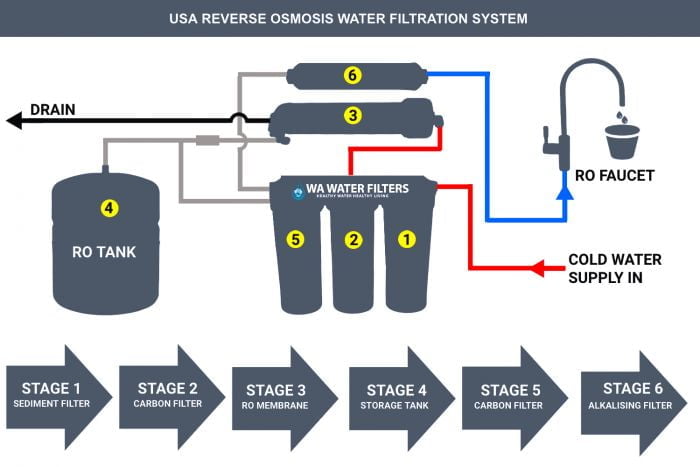 Reverse Osmosis Process
Plus, you can use RO water for your espresso machine or humidifier. No more white mineral dust settling on your furniture. No more weird scale clogging your $500 coffee gadget. Your appliances will thank you.
And hey—ever wonder why your ice cubes look cloudy? That’s trapped air and minerals. With RO water, your cubes turn clear as glass. It’s a tiny, nerdy victory that feels oddly satisfying.
Should you get one?
Ask yourself this: Do you live in an area with old pipes? If your water tastes like a swimming pool or leaves weird white spots on your glasses, then yes. RO is your buddy.
If your tap water is already pretty great? You might not need it. But if you’re a hydration nerd, a health nut, or just someone who loves a glass of water that feels like a hug from a cloud, then give it a shot.
It’s not magic. It’s just physics doing a really, really good job. And honestly? That’s way more fun than magic, because you can explain it at a dinner party and sound like a genius.
So go ahead—take a sip of the future. Your taste buds won’t know what hit them.
