How To Regenerate Water Softener

So, your water softener is acting like a grumpy teenager—letting all that hard, scaly water slide right past it. Time for a regeneration, which sounds super scientific, but I...
So, your water softener is acting like a grumpy teenager—letting all that hard, scaly water slide right past it. Time for a regeneration, which sounds super scientific, but I promise it’s more like giving your machine a spa day.
Think of regeneration as a power wash for all the resin beads inside your softener. Those beads have been soaking up calcium and magnesium like greedy little sponges, and now they’re full. We need to flush them clean with a salt brine.
First, Do You Really Have to Do This Manually?
Most modern softeners have a timer that does it all for you—how fancy. But if yours is an older model, or if you just ran a marathon of laundry and dishes, you might need a manual regeneration.
Must Read
Don’t panic. It’s like hitting the “reset” button on a video game, but instead of saving a princess, you’re saving your water pressure. Check your owner’s manual—I know, I know, nobody reads those—but it will tell you if you have a manual bypass valve.
Step 1: The Salt Check (A.K.A. The Cinderella Moment)
Pop open the brine tank—that’s the big plastic bin next to the softener, usually filled with what looks like a snowy white beach. Make sure you have enough salt; if it’s below the water level, you’re flying on empty.
If the salt has turned into a giant, rock-hard cake—what I call the “Salt Glacier”—you’ll need to break it up with a broom handle. This is your warm-up exercise for the day. Squats are optional, but highly recommended.
Step 2: The Bypass Valve Twist (It’s Like a Dance Move)
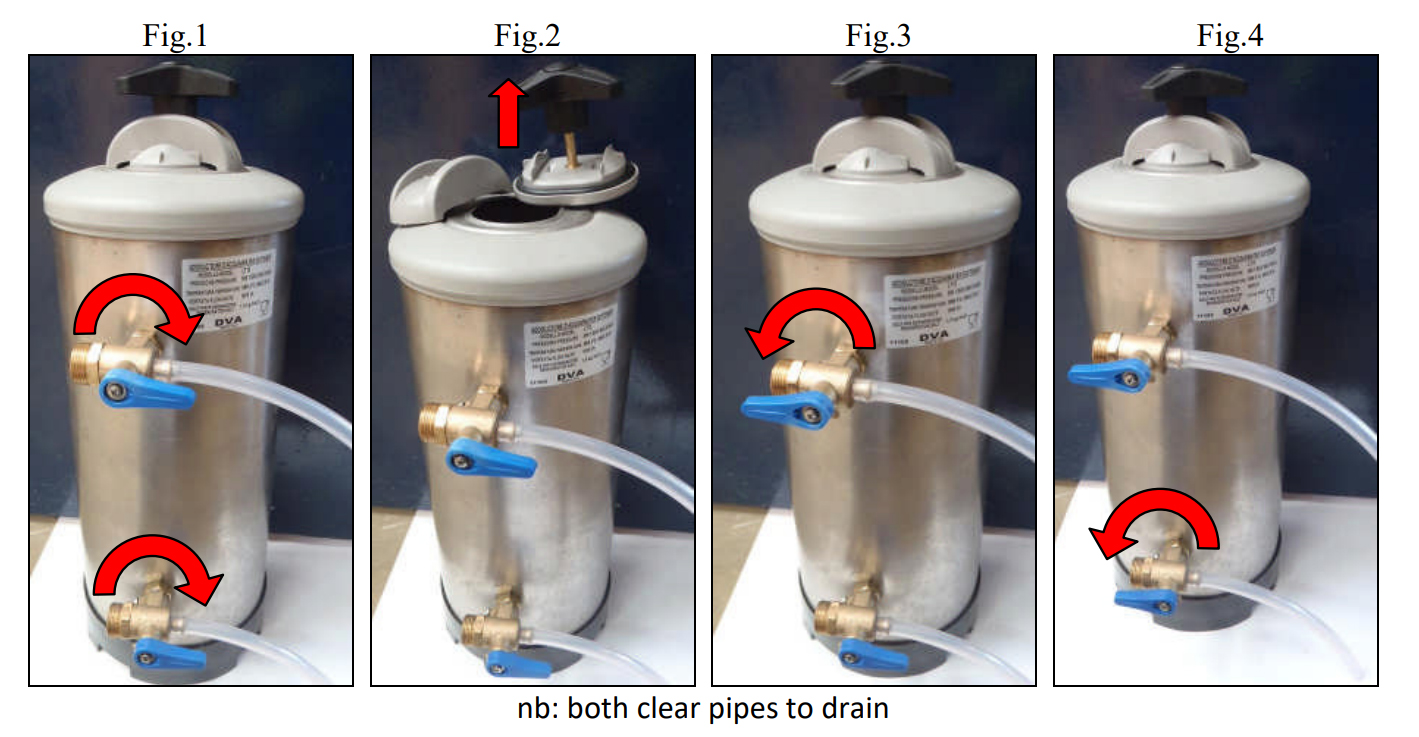
Now, find the bypass valve. It’s usually a trio of knobs or a lever near the top of the softener. You want to turn it to the “bypass” position—this isolates the softener so you don’t accidentally flush salty water into your drinking glass.
If you have a three-valve system, close the outlet valve first, then the inlet valve, then open the bypass valve. Take a deep breath. You’re not defusing a bomb—the worst that happens is you get a little splash on your socks.
Step 3: The Regeneration Cycle (Where the Magic Happens)
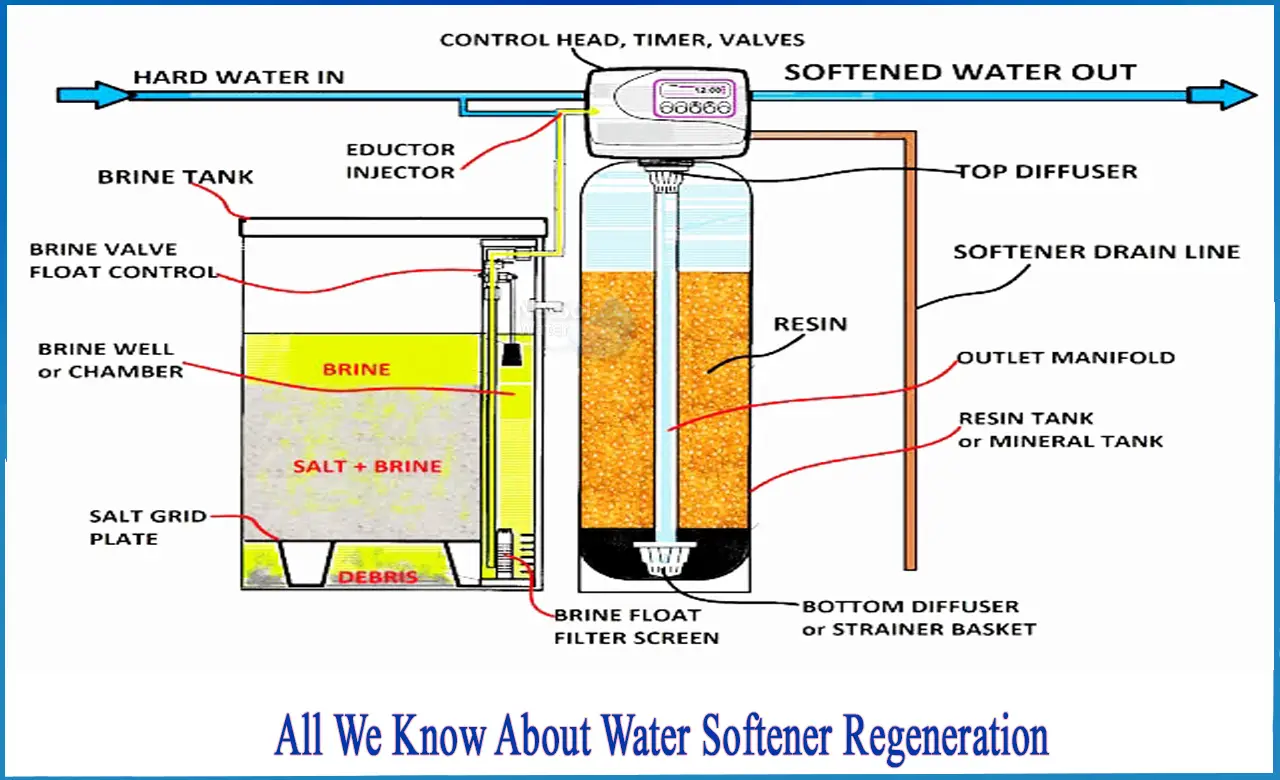
Locate the control head—it’s the boxy thing on top of the resin tank with buttons or a dial. Press the “regen” button or turn the dial to the “start” position. Hold it for a few seconds until you hear a satisfying click or whirr.
 How Long Does It Take To Regenerate A Water Softener | Detroit Chinatown
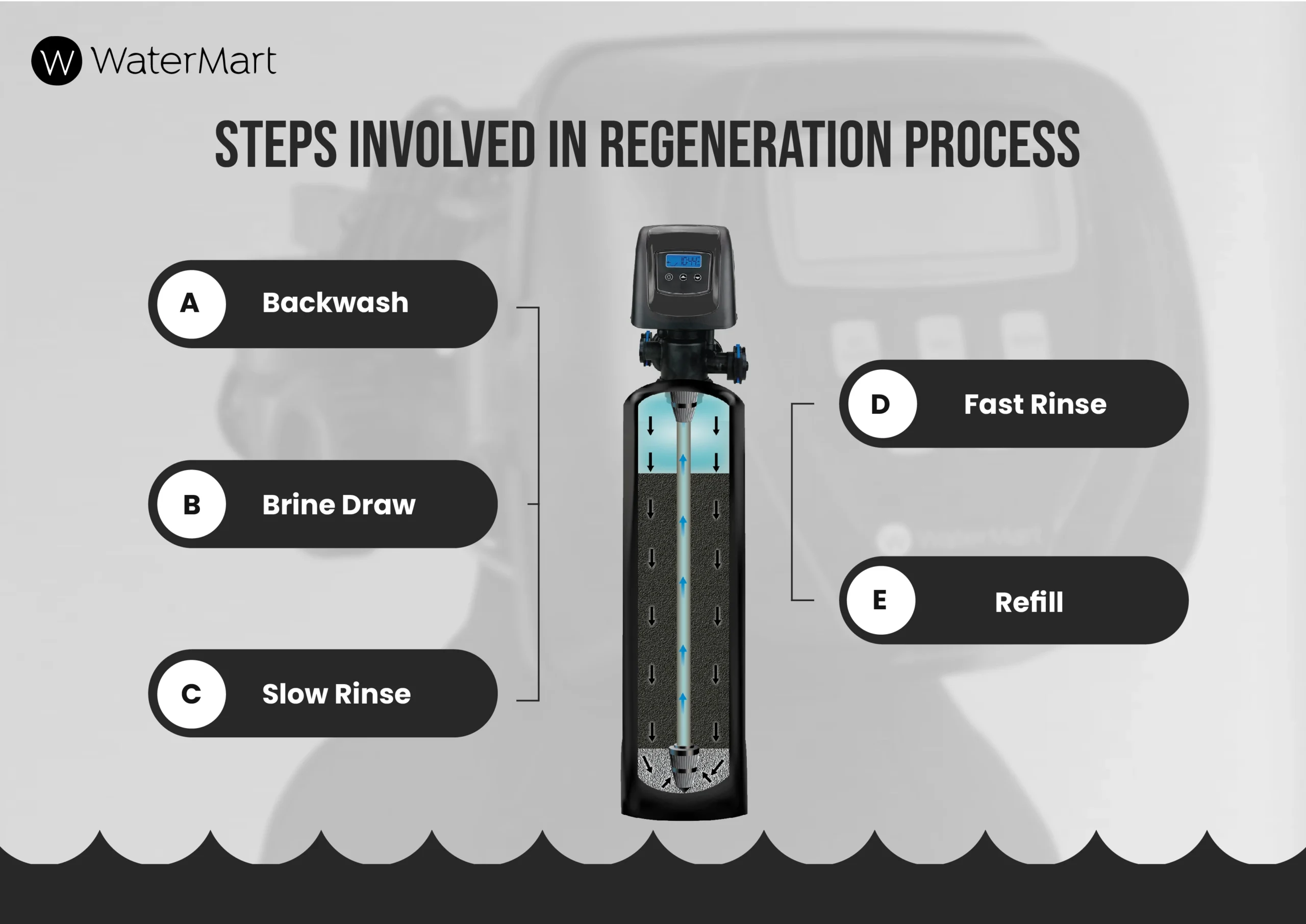
What follows is a sequence of swooshing, gurgling, and a gentle hissing sound. It’s the sound of victory. The softener will first backwash (flip the beads around), then brine the beads (soak them in salt water), then rinse and fast rinse.
This whole process takes about 90 minutes to two hours. Great time to grab a snack, pet your dog, or question why you have a water softener in the first place. (Spoiler: for soft, silky water!)
Step 4: The Final Rinse and Return to Service
After the cycle finishes, the control head will click back to “service” mode automatically. Now turn the bypass valve back to its normal operating position—open the inlet first, then the outlet, then close the bypass.
You might hear a few air bubbles spit out of your faucet at first. That’s totally normal—the system is burping. Let it run for a minute until the water runs clear and free of air.
A Pro Tip for the Brave
If you want to speed things up, you can force a manual regeneration even when the timer says it’s not time. Just press and hold the “regen” button for 5 seconds. Do this at night so you don’t accidentally interrupt the cycle while you’re brushing your teeth.
One more thing—if you smell a faint eggy odor after regeneration, it might be bacterial growth in the resin. A little bleach or a product called Resin Clean will fix that right up. But don’t use bleach if you have a septic system—your tank bacteria will absolutely revolt.
 How to regenerate your manual Water Softener
What If It Still Doesn’t Work?
Sometimes, despite your best efforts, the softener just refuses to cooperate. It might be a stuck valve, a broken motor, or a salt bridge that’s thicker than your uncle’s opinion on barbecue. Call in a professional—they have tools that aren’t a broom handle and a prayer.
But in 9 out of 10 cases, you just needed to add salt and hit the button. You’ve got this. You’re basically a water wizard now.
A Little Cheer to Send You Off
Think about what you’ve accomplished today. You, my friend, just regenerated a machine that fights the tyranny of hard water. Your showers will feel like silk, your dishes will sparkle, and your laundry will stop looking like it went through a rock tumbler.
And the best part? You did it yourself. No expensive service call, no waiting around for a plumber who says “be there between 8 and 5.” You are the captain of your own soft water destiny.
So go ahead, pour yourself a tall glass of that deliciously soft water (or a cup of tea—tastes better, trust me). You earned it. And remember, even if your softener throws a tantrum again next month, you’ve got the skills to tame that salty beast.
Happy regenerating, you magnificent water warrior. Now go take a shower—it’s going to be the best one of your life.
