How To Treat A Well For Coliform

So, you’ve tested your well water and the lab sent back a cryptic note: “Coliform present.” Don’t panic. This doesn’t mean your well is hosting a tiny, rebellious rock band. I...
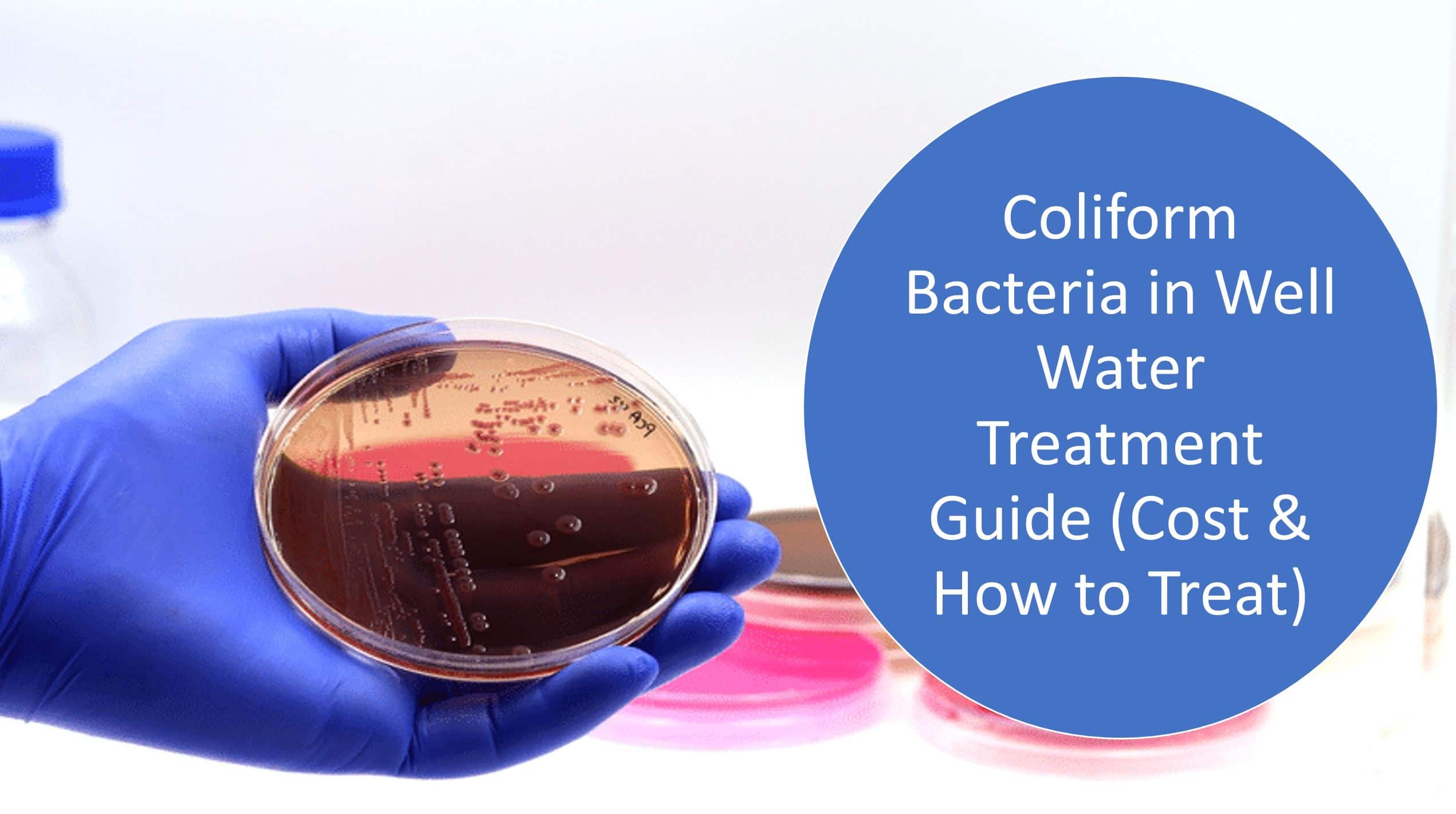
So, you’ve tested your well water and the lab sent back a cryptic note: “Coliform present.” Don’t panic. This doesn’t mean your well is hosting a tiny, rebellious rock band. It means there’s bacteria in your water, possibly from surface run-off, a leaky well cap, or a raccoon using your wellhead as a personal hot tub.
The First Step: Stop Acting Like It’s Fine
Listen, I get it. You’ve been drinking that water for years. You’re tough. But coliform bacteria are like that friend who shows up uninvited—harmless by themselves, until they bring their sketchy pals, like E. coli or Giardia. So, the first rule is: Don’t drink the water until you’ve fixed it. Boil it for at least one minute, or buy bottled water for the next few days. Your gut will thank you.
Surprising fact: Coliform itself isn’t always dangerous—it’s the “indicator” that bad stuff might be lurking. Think of it as the canary in the coal mine, except the canary is a bacterium and it’s already passed out.
Must Read
Gather Your Weapons (The “Ouch, My Wallet” Phase)
You’ll need a few things to wage war on these microscopic party crashers. First, get unscented household bleach (the cheap stuff, no fancy lemon freshness—bacteria don’t care about your laundry). You’ll also need a clean bucket, a garden hose (or a long rope), and some rubber gloves. Yes, you look ridiculous. Yes, it’s worth it.
Pro tip: If you don’t have a hose, you can use a length of pipe or even a sturdy stick. But please don’t use your neighbor’s garden gnome—they will notice, and it won’t kill the bacteria.
Step 1: The Great Bleach Dump
Calculate your well’s depth and diameter (check your well log or guess—it’s science with feelings). For a typical household well, you need about 1 gallon of bleach per 100 feet of water depth. Pour the bleach into a clean bucket, mix it with five gallons of water, and then slowly dump it directly into the well opening. Do not use the fancy scented bleach—that’s for your socks, not your drinking water.
 Bacteria In Well Water
Fun fact: Bleach works by ripping apart bacterial cell walls. It’s basically Michael Bay’s approach to microbiology. Explosions? Not literally, but close enough for your well water.
Step 2: The Circulate-and-Wait Dance
Now you need to mix that bleach solution throughout the entire water column. Connect a hose to your outdoor faucet, run the water into the well, and let it circulate for at least 15 minutes. You’ll smell the chlorine wafting up like a weird, chemical cologne. Good—that means it’s working.
After that, turn off the hose and wait. Seriously, go watch a movie, take a nap, or complain about the smell to your partner for 12 to 24 hours. The longer you wait, the more bacteria throw in the towel. Don’t rush—patience is the secret sauce, and also the secret swimming pool of death for microbes.
Step 3: The Great Flush
Once the waiting is over, you need to flush that chlorine out. Open all your taps—inside and outside—and let the water run until you can’t smell bleach anymore. This could take 30 minutes or three hours. Don’t let it run into your lawn or it will turn your grass a nice shade of pale yellow. Instead, direct the hose into a drain or a bucket.
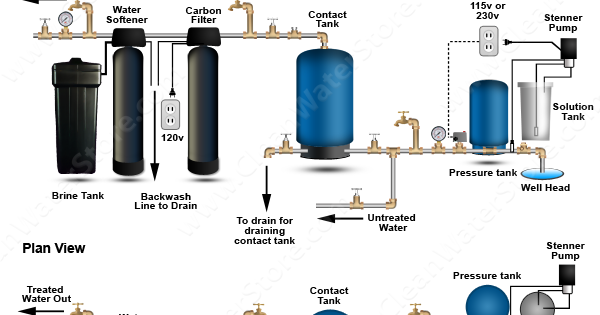 Clean Well Water Report: How to Treat My Well Water for Coliform Bacteria
Surprising fact: Chlorine evaporates quickly when exposed to air. So if you let the water sit for a while, the smell goes away. But don’t drink it yet—you want to be certain the bleach is gone. Your coffee shouldn’t taste like a swimming pool.
Aftercare: The Boring But Crucial Part
Once the water runs clear and unscented, wait another 24 hours. Then, test your water again with a certified lab. Do not use a home test kit unless you enjoy false hope. If the test comes back negative for coliform, congratulations—you’re a certified well-whisperer. If it’s still positive, you’ve got a physical problem, like a cracked casing or a missing well cap. Time to call a pro.
One more thing: Always disinfect your well after heavy rain, floods, or after any repair work. Bacteria love a good storm like teenagers love a pizza delivery. And if you ever see a raccoon near your well again, just... wave. They’re not malicious, just unhygienic freeloaders.
There you have it—a whole lot of bleach, a little patience, and the triumph of clean water. Now go fill a glass, toast your victory, and try not to think about the ghost of a million dead bacteria floating in your oatmeal. Cheers.
