How To Remove Arsenic From Water

So, you’ve heard the word “arsenic” and it sounds like something out of a Victorian mystery novel—poison in the tea, dastardly villains, the works. But the reality is a lot le...

So, you’ve heard the word “arsenic” and it sounds like something out of a Victorian mystery novel—poison in the tea, dastardly villains, the works. But the reality is a lot less dramatic, and a lot more annoying: it’s a natural element that can sneak into your well water or municipal supply. Don’t panic, though—we’re going to kick this stuff out of your glass like a bouncer at a VIP club.
First, a quick science-y bit: arsenic is a heavy metal (technically a metalloid, but who’s counting?) that’s colorless, odorless, and tasteless in water. It’s like the ninja of contaminants—silent, deadly, and totally uncool to have at your dinner party. Long-term exposure is linked to scary health stuff, so we’re serious about sending it packing.
The Most Common Ways to Zap It
Not all water filters are created equal. Your basic Brita pitcher? Adorable, but it’s about as effective against arsenic as using a paper umbrella against a hurricane. You need specialized methods that are actually tested for this sneaky element.
Must Read
Let’s break down the heavy hitters, shall we? Think of this as your arsenic-removal toolkit—no hazmat suit required (though bonus points if you wear goggles for fun).
1. Reverse Osmosis (The Superhero)
Reverse osmosis—or RO, for the cool kids—is the gold standard. It pushes water through a super-fancy membrane that’s like a microscopic bouncer, letting only H2O molecules through while locking arsenic in the “not invited” section. Most RO systems remove 90-95% of arsenic, which is basically a clean sweep. The downside? It wastes a bit of water (like a diva at a spa), but hey, your health is worth a few extra gallons.
Pro tip: Get a system with a storage tank so you’re not waiting forever for a glass of water. And don’t forget to change the filters every six months—otherwise, your RO system becomes a sad, clogged-up robot.
2. Distillation (The Old School Boil-Off)
Imagine you’re making moonshine, but for water. Distillation boils water into steam, then condenses it back into liquid, leaving the arsenic behind like a bad date at a party. This method is super effective—it can remove 99% of arsenic—but it’s slow and uses electricity. It’s the tortoise of water purification: steady, reliable, and a little bit boring.
Also, distilled water tastes a bit flat because it’s totally stripped of minerals. You can add a pinch of sea salt to fix that, or just pretend you’re drinking clouds. Clouds are fun, right?
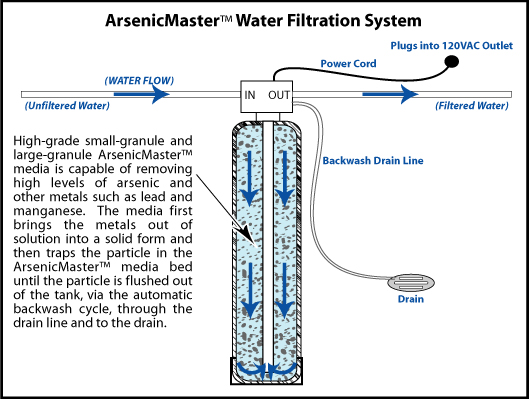 Water Treatment - Safe Air Systems
3. Specialized Filter Media (The Nerdy Engineer Option)
There are filters packed with activated alumina or iron-oxide media—think of them as magnets for arsenic. These work well for small amounts of arsenic, and they’re faster than RO. The catch? They need to be replaced or regenerated (a fancy word for “soaking in chemicals”). It’s like having a pet filter that needs a bath every few months.
Pro tip: Look for filters certified by NSF International (Standard 53 for arsenic removal). If they don’t have the sticker, assume it’s just a fancy paperweight. Your water deserves better than a placebo.
What About Boiling? (Spoiler: Don’t)
Boiling water for pasta or tea is great. Boiling water to remove arsenic? Nope, nope, nope. In fact, boiling makes it worse because some water evaporates, leaving a more concentrated arsenic soup. Congrats, you just made toxic broth! So skip the stove and stick to the methods above.
Same goes for freezing or “letting the water sit out”—arsenic doesn’t get tired of hanging around. It’s the guest who stays until you get the RO system.
Test First, Treat Second
Before you buy any gear, test your water. You can get a simple kit online for twenty bucks, or send a sample to a lab for the full CSI experience. Know the enemy—is it arsenic type III or type V? (Don’t worry, you don’t need a chemistry degree—just follow the instructions).
 Category: Water Safety - Water Filter Spruce
Once you know the level, match it to your treatment method. A little arsenic? A good activated alumina filter might do. A lot of arsenic? Go big with reverse osmosis. It’s like choosing a weapon for a video game: pick your boss-fight accordingly.
The “Lazy Person’s” Shortcut
If all this sounds like too much work, call a local water treatment pro. They’ll test, recommend, and install a system—often with a warranty and a smile. Yes, it costs money, but you know what costs more? Hospital bills from arsenic poisoning (that’s a joke, but also a fact).
Alternatively, you can buy bottled water that’s tested for arsenic. But please, for the love of the planet, get a refillable 5-gallon jug instead of a thousand tiny plastic bottles. Your future self (and the sea turtles) will thank you.
Uplifting Conclusion (You Made It!)
Look at you—now you’re a certified arsenic-awareness warrior with a game plan. You’ve learned that removing arsenic isn’t magic, it’s just smart tool choice. Don’t be afraid to start small: get a test kit, pick a method, and take the first sip of clean water like a victory toast.
And remember: contaminating water is a problem, but solving it is a deliciously satisfying puzzle. Every glass you pour from a proper filter is a tiny triumph over chemistry, a high-five to your kidneys, and a polite smackdown to Victorian-era poison plots. So go ahead—drink up, smile, and think of all the arsenic particles being shown the door. Their party is over. Yours is just beginning. 🥂
