Why Is Decaf Coffee Bad For You

Okay, let’s get real for a second. You’re probably here because you’ve heard that decaf coffee is somehow bad for you, and now you’re side-eyeing your afternoon mug with suspi...

Okay, let’s get real for a second. You’re probably here because you’ve heard that decaf coffee is somehow bad for you, and now you’re side-eyeing your afternoon mug with suspicion. Don’t panic—I’m not here to ruin your life or steal your cozy ritual. Let’s brew up the truth, spill a little tea (or coffee), and have a laugh while we’re at it.
The Unsavory Chemical Process
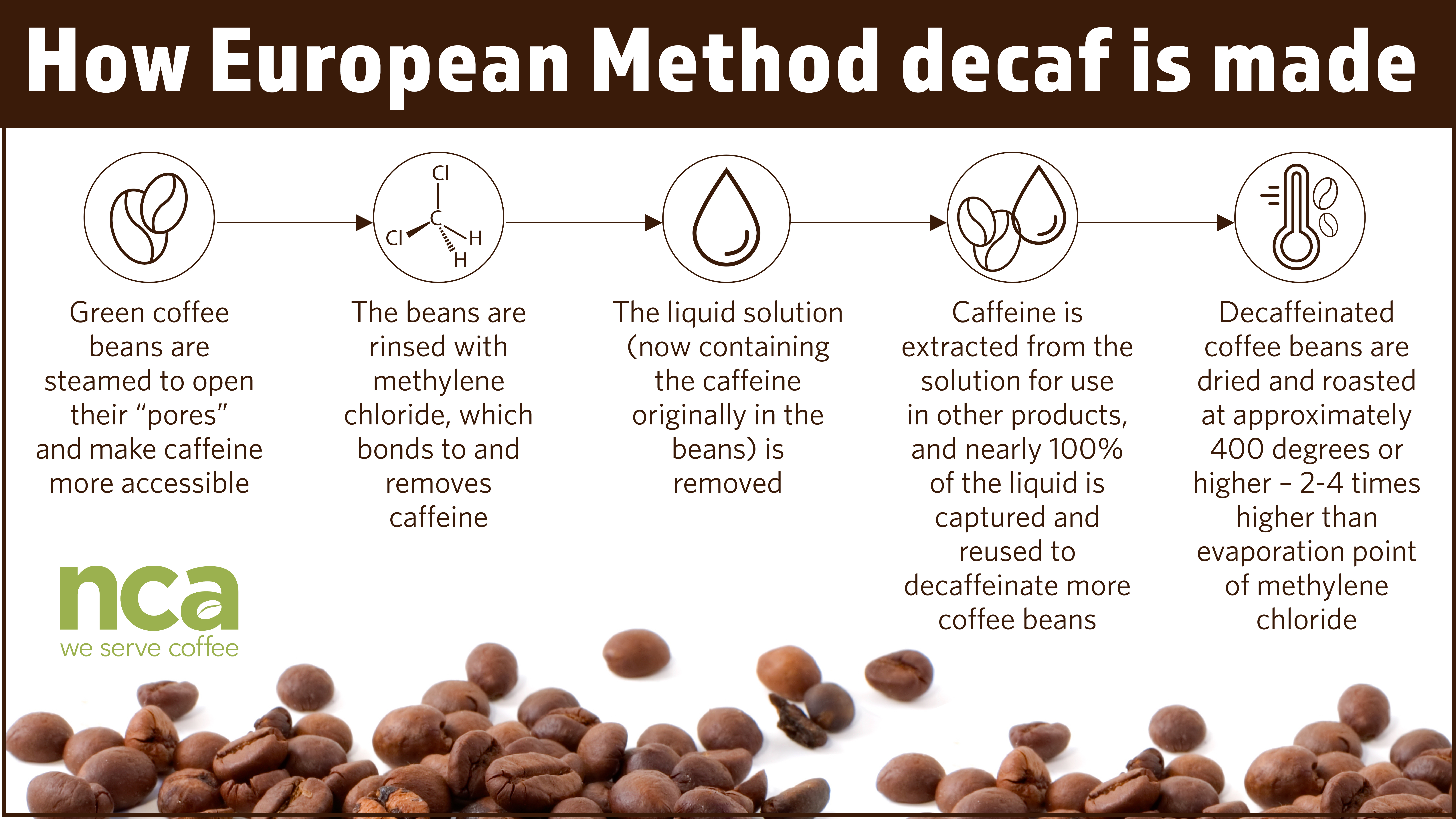
Here’s where things get a little science-y, but stay with me. To make decaf, coffee beans aren’t just waved through a caffeine-free magic portal—they’re soaked in chemicals like methylene chloride or ethyl acetate. Yes, the same stuff you’d find in paint stripper or glue remover. Yum, right?
Don’t worry, most of these chemicals evaporate or rinse off, but trace amounts can stick around. It’s like that one friend who overstays their welcome at a party—annoying, but not usually a dealbreaker.
Must Read
The alternative method uses water and carbon dioxide, which is gentler, but it often strips away other tasty compounds too. So your decaf might end up tasting like sad, wet cardboard trying to be coffee.
Acidity That Bites Back
Even without caffeine, decaf can be a fiery acid bomb for your stomach. The decaffeination process can actually increase acidic compounds, leaving you with a drink that feels like a tiny dragon is burping in your gut. No thanks.
If you’re already sensitive to coffee, decaf might still give you heartburn or that weird gurgly feeling. It’s like ordering a non-alcoholic beer and still getting a hangover—sneaky and unfair.
Your teeth aren’t thrilled, either. All that acid can wear down enamel over time, so you might end up with a smile that’s a little less pearly and a lot more “oh no.”
The Fake Feeling of Relaxation
Let’s talk about the psychological trickery here. You drink decaf expecting a calm, cozy moment, but your brain might still associate it with the real deal. That ritual can rev you up anyway, making you feel jittery and anxious—even without the caffeine.
It’s like putting on pajamas but then realizing you left the oven on. Not chill at all. Some studies suggest that decaf can even raise stress hormones a tiny bit, because your body is confused and wants to party.
So, you’re getting the side effects of coffee (acid, faux-jitters) without the payoff of a real caffeine kick. Talk about a lousy deal.
 Is Decaf Coffee Bad For You? A Doctor's Honest Answer
Hidden Toxins and Molds
Coffee beans naturally have something called mycotoxins—basically, mold-related yuckiness that can mess with your gut. Regular coffee has ’em, sure, but decaf often carries more because the decaf process can concentrate them. Gross, I know.
These little troublemakers might cause bloating, fatigue, or even brain fog in sensitive people. And since decaf often uses cheaper, lower-quality beans (because, let’s face it, they’re already being processed to death), you’re more likely to get a dose of the icky stuff.
It’s not that you’ll keel over, but if you’re feeling blah after your decaf, those sneaky molds could be the culprit. Your body might be saying, “Hey, Karen, this isn’t my favorite.”
The Nutrient Stealer
Decaf can still interfere with your body’s ability to absorb iron. That’s right—just like regular coffee, it can bind to iron from your meals and whisk it away like a tiny thief in a heist movie. Not cool.
If you’re already low on iron (hello, tired friends and vegetarians), drinking decaf with your spinach salad is basically throwing nutrients out the window. It’s like paying for a gym membership and then napping in the parking lot.
The bright side? Wait a couple of hours after eating, and you’re golden. Or, just add a splash of lemon juice or a vitamin C source—that helps your body keeps the iron. Teamwork makes the dream work.
The Caffeine Withdrawal Myth
Here’s a funny twist: if you’re using decaf to wean off caffeine, it might backfire. Decaf still has a tiny amount of caffeine (usually 2–7 mg per cup), which is just enough to keep your brain hooked on the cycle. It’s like trying to quit sugar by eating one M&M a day—you’re playing yourself.
 Decaf Coffee Bad For You
Your poor body is stuck in a limbo state: “Am I getting the boost? No. Am I getting the withdrawal? Kinda. What is happening?” The result? You might feel more tired and cranky than if you just went cold turkey.
So, if you’re genuinely trying to break up with caffeine, decaf might be the toxic friend who keeps calling you at 2 AM. Swipe left.
But Wait—Is Decaf All Evil?
Look, I’m not saying decaf is a poison you need to dump down the drain immediately. It’s fine for most people, especially if you love the taste and ritual. The risks are small, and your body usually handles them like a champ.
If you’re chugging four cups of decaf a day, maybe ease up. But one or two? You’re golden. There are even healthier decaf options out there—look for “water-processed” or “Swiss Water Method” decaf to avoid the chemical headache.
And hey, if you’re worried about acidity, try a dark roast decaf (lower acid!) or add a pinch of baking soda. Yes, I’m serious—it neutralizes the acid and makes it smoother. You’re welcome.
The Uplifting Conclusion
So here’s the deal: decaf coffee isn’t the villain of the coffee world—it’s more like a slightly awkward cousin who shows up to Thanksgiving with a weird casserole. It’s okay to enjoy it, but maybe don’t make it your entire personality.
Life is full of little pleasures, and if a warm mug of decaf makes you smile, drink it. Just be smart—choose better beans, watch your tummy, and laugh at the absurdity of it all. You’re doing great, and your coffee habits don’t define your worth.
So go ahead, sip that decaf with a wink and a grin. Your body is resilient, your spirit is strong, and you’ve got way better things to worry about than trace amounts of paint stripper. Cheers to you, my caffeinated—or decaffeinated—friend. You’ve got this.
